Die 6-Stunden-Frist zur Meldung von Sicherheitsvorfällen: Ist Ihr Energieversorgungsunternehmen bereit?


Team Shieldworkz
Jahrzehntelang basierte die Cybersicherheit im indischen Stromsektor auf gegenseitigem Vertrauen. Die Versorgungsunternehmen folgten Empfehlungen, Erzeugungsunternehmen führten regelmäßige Überprüfungen durch, und die Meldung einer Sicherheitsverletzung war etwas, das man tat, wenn man die Kapazitäten dafür hatte – nicht, weil das Gesetz es vorschrieb. Diese Ära ist vorbei. Gemäß den Richtlinien der Central Electricity Authority (Cyber Security in Power Sector) Regulations, 2026, die im Amtsblatt von Indien (Gazette of India) veröffentlicht wurden und ab dem 1. April 2027 vollstreckbar sind, muss nun jedes qualifizierte Erzeugungsunternehmen, jedes Eigenstromerzeuger-Kraftwerk, jedes Energiespeichersystem, jeder Übertragungsnetzbetreiber, jeder Verteilernetzbetreiber, jeder Netzbetreiber und jede Strombörse einen Cybersicherheitsvorfall innerhalb einer einzigen Arbeitsschicht an zwei zentrale Behörden melden.
Sechs Stunden. Das ist das Zeitfenster, das dem Sicherheitsteam einer Anlage ab dem Zeitpunkt der Entdeckung bleibt, um einen Vorfall zu erkennen, zu verifizieren, zu klassifizieren und offiziell an CSIRT-Power und CERT-In zu melden. Für eine moderne IT-Umgebung mit ausgereifter Protokollierung und einem rund um die Uhr besetzten Security Operations Center sind sechs Stunden machbar. Für eine typische Operational Technology-Umgebung (OT), in der die Transparenz eingeschränkt ist, Alarmmüdigkeit herrscht und die Leitstandingenieure darauf geschult sind, die Anlage am Laufen zu halten, anstatt Paketdaten zu analysieren, können sich sechs Stunden wie ein unmöglicher Sprint anfühlen.
Dieser Blogbeitrag schlüsselt detailliert auf, was die Verordnung verlangt, warum das Zeitfenster für die Meldung in der Praxis schwieriger einzuhalten ist, als es auf dem Papier aussieht, was reale Vorfälle im indischen Strom- und KRITIS-Sektor über das Risiko aussagen und wie ein wirklich einsatzbereites Incident-Response-Programm aussieht. Wenn Sie Werksleiter, CISO, OT-Ingenieur oder Leiter des Sicherheitsbetriebs sind und die Verantwortung für Erzeugungs-, Übertragungs- oder Verteilungsanlagen tragen, ist dies der Leitfaden, der Ihre Roadmap zur Compliance für 2026–2027 bestimmen wird.
Was diesen Wandel besonders bedeutsam macht, ist der Zeitpunkt. Indiens Stromsektor befindet sich mitten im rasantesten technologischen Wandel seit Jahrzehnten: Erneuerbare Energien, Batteriespeicher, intelligente Messsysteme und Fernüberwachungsplattformen vergrößern den digitalen Fußabdruck des Stromnetzes gleichzeitig. Jede dieser Neuerungen stellt zudem ein potenzielles neues Einfallstor für Angreifer dar. Dass die Regulierungsbehörden jetzt zu einem gesetzlich vorgeschriebenen, zeitlich befristeten Meldesystem übergehen, anstatt auf einen schwerwiegenden Vorfall zu warten, zeigt die Erkenntnis, dass sich das Zeitfenster schließt, um diesem Risiko proaktiv zu begegnen.
Die Richtlinien der CEA (Cyber Security in Power Sector) Regulations, 2026 verstehen
Die Vorschriften markieren einen entscheidenden Wendepunkt für das indische Stromnetz: Cybersicherheit entwickelt sich von einer freiwilligen, auf Empfehlungen basierenden Praxis zu einer gesetzlichen Pflicht mit rechtlicher Haftung. Das Rahmenwerk wurde speziell auf die betriebliche Realität der Stromerzeugung, -übertragung und -verteilung zugeschnitten, anstatt generische IT-Sicherheitsregeln einfach auf die Werkshalle zu übertragen.
Wer unter die Verordnung fällt
Die Verordnung gilt auf breiter Front in der gesamten Wertschöpfungskette des Stromsektors, wobei sich die Kriterien für die Anwendbarkeit je nach Segment leicht unterscheiden:
Unternehmensart | Anwendbarkeitsschwelle | Abdeckung |
Erzeugungsunternehmen & Eigenstromerzeuger-Kraftwerke | Ab 50 MW installierter Leistung | Direkt betroffen |
Energiespeichersysteme (ESS) | Ab 50 MW | Direkt betroffen |
Übertragungsnetzbetreiber & Netzbetreiber | Keine Leistungsschwelle | Ausnahmslos betroffen |
Verteilernetzbetreiber | Keine Leistungsschwelle | Ausnahmslos betroffen |
Strombörsen & OTC-Stromhandelsplattformen | Keine Leistungsschwelle | Ausnahmslos betroffen |
Jedes betroffene Unternehmen muss einen dedizierten Chief Information Security Officer (CISO) sowie einen stellvertretenden CISO aus dem oberen Management ernennen. Diese Funktion darf nicht zusätzlich zu einer bestehenden IT- oder Betriebsfunktion ausgeübt werden. Die Verordnung schreibt vor, dass der CISO indischer Staatsbürger sein und seinen Wohnsitz in Indien haben muss, über einen Ingenieurabschluss oder eine gleichwertige Qualifikation verfügen muss, mindestens fünfzehn Jahre einschlägige Berufserfahrung vorweisen muss, direkt an die Geschäftsführung berichten muss, für eine Mindestamtszeit von drei Jahren ernannt werden muss und ausschließlich im Bereich Cybersicherheit tätig sein darf (Doppelrollen sind unzulässig). Unternehmen müssen die Kontaktdaten des CISO öffentlich bekannt geben – ein Schritt, der Unklarheiten darüber beseitigen soll, wer im Unternehmen die Verantwortung für Cybersicherheit trägt.
Die zweistufige Meldefrist: Was Sie melden müssen und wie schnell
Das Kernstück der Verordnung, das in operativer Hinsicht die größte Sorge bereitet, ist die Meldefrist. Der CISO ist dafür verantwortlich, dass jeder Cybersicherheitsvorfall innerhalb eines definierten Zeitfensters an CSIRT-Power und CERT-In gemeldet wird. Die Frist hängt vollständig davon ab, wie der Vorfall klassifiziert wird.
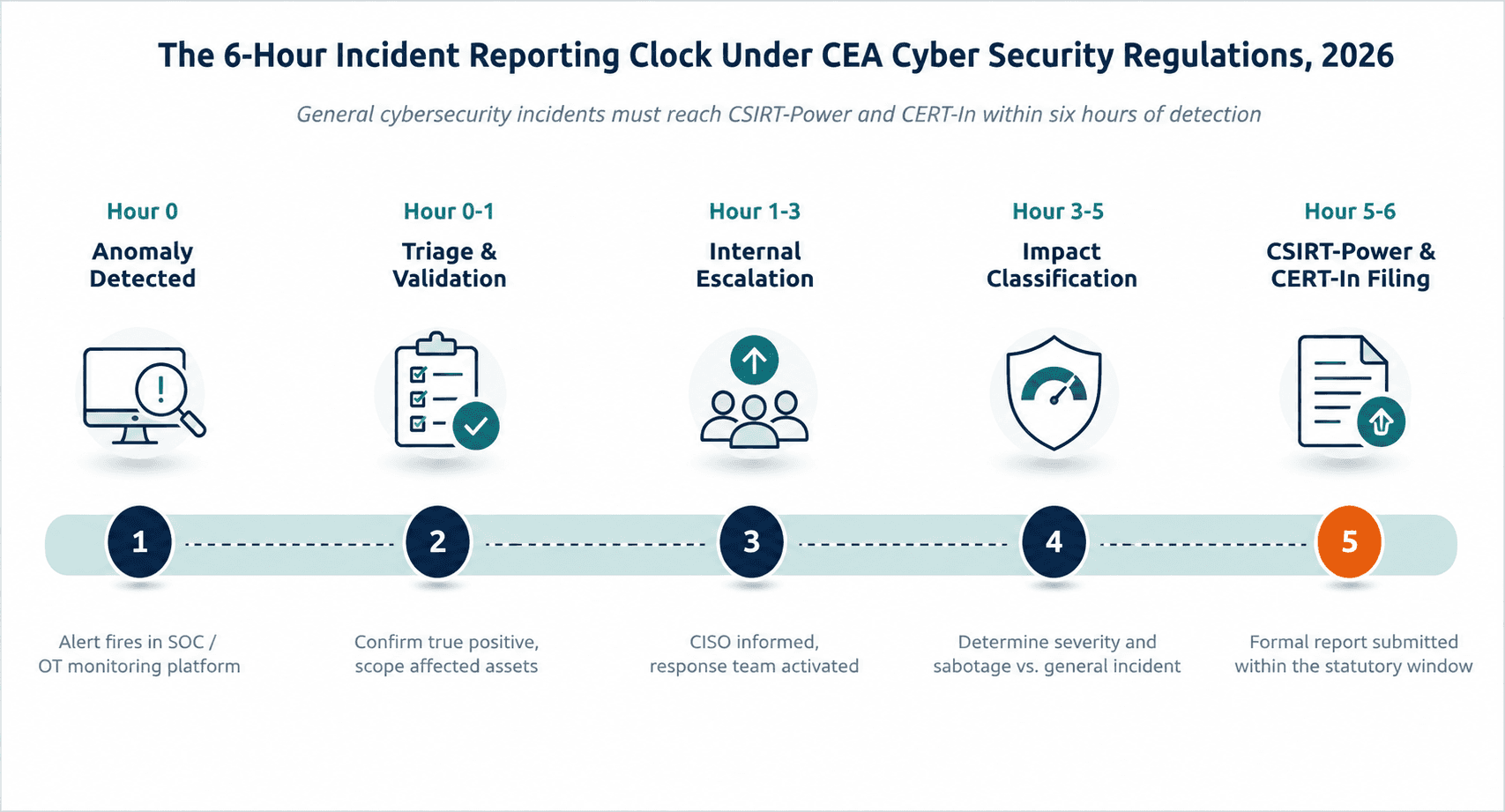
Abbildung 1: Die Abfolge von Erkennung bis Meldung, die ein konformes Versorgungsunternehmen innerhalb von sechs Stunden bewältigen können muss.
Allgemeine Cybersicherheitsvorfälle: 6 Stunden. Jeder bestätigte Cybersicherheitsvorfall – von der Erkennung von Schadsoftware über unbefugte Zugriffsversuche bis hin zu anomalem Netzwerkverhalten innerhalb der OT-Umgebung – muss innerhalb von sechs Stunden nach Entdeckung offiziell gemeldet werden.
Cybersabotage kritischer Systeme: 24 Stunden. Vorfälle, die als vorsätzliche Sabotage eingestuft werden und kritische Systeme betreffen (wie die nachgewiesene Manipulation von Steuerungslogiken oder Betriebsunterbrechungen), haben eine etwas längere Frist von vierundzwanzig Stunden. Dies trägt dem zusätzlichen forensischen Aufwand Rechnung, der oft erforderlich ist, um Sabotage mit Sicherheit nachzuweisen.
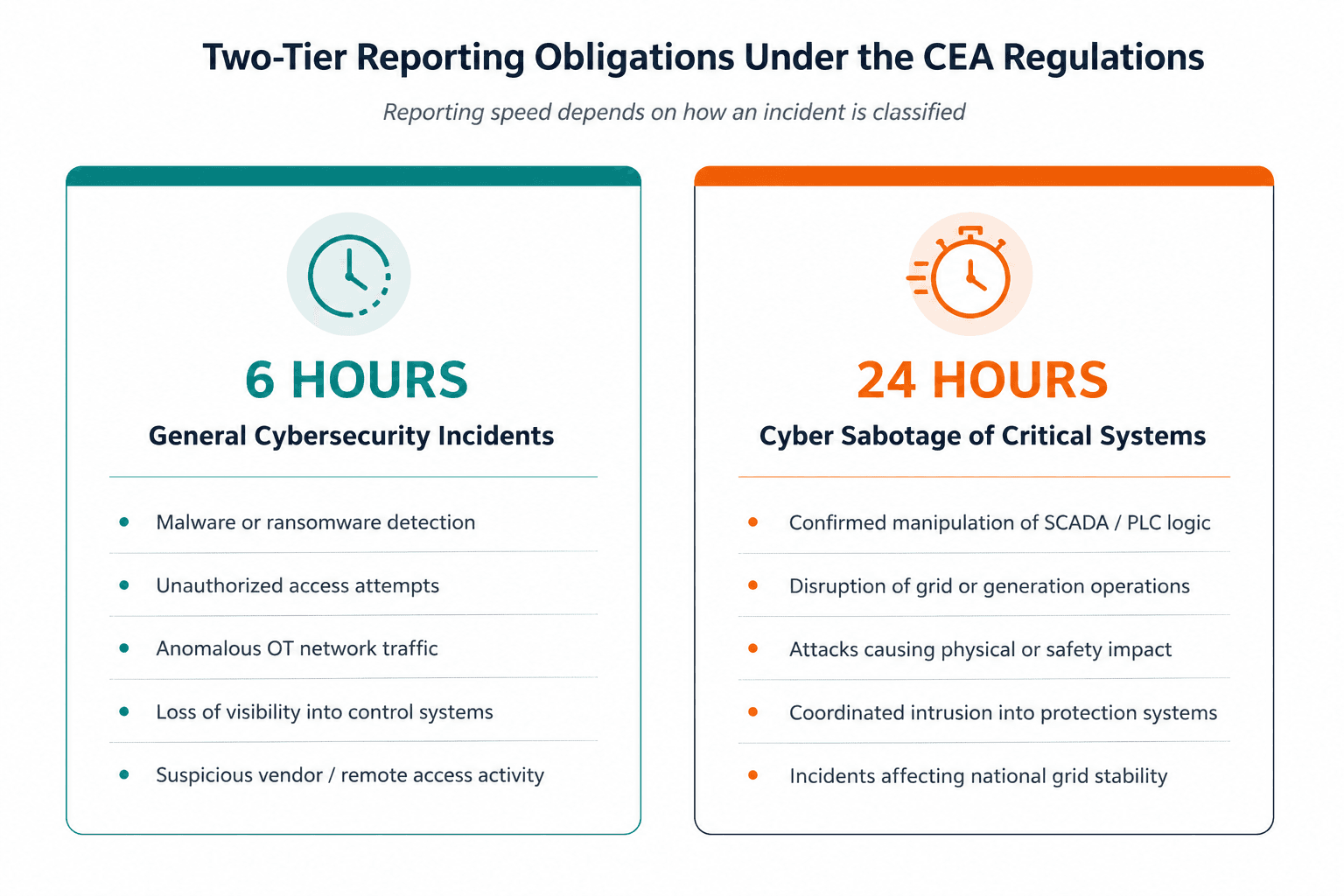
Abbildung 2: Wie ein Vorfall eingestuft wird, bestimmt, ob Ihr Team sechs oder vierundzwanzig Stunden Zeit hat.
Auf dem Papier sieht das nach einem vernünftigen Kompromiss zwischen Schnelligkeit und Sorgfalt aus. In der Praxis beginnt die Sechs-Stunden-Frist jedoch in dem Moment, in dem ein Vorfall bemerkt wird, und nicht erst, wenn er final bestätigt ist. Diese eine Designentscheidung macht die Verordnung für Unternehmen, die ihre Prozesse zur Erkennung und Eskalation noch nicht modernisiert haben, zu einer echten Herausforderung.
Warum diese Regulierung unvermeidlich war: Reale Vorfälle, die Sicherheitslücken aufzeigten
Indiens Strom- und KRITIS-Sektor hat bereits mehrere Vorfälle erlebt, die die Notwendigkeit einer obligatorischen, zeitgebundenen Meldepflicht deutlicher belegen, als es jedes Grundsatzdokument könnte.
Der Malware-Vorfall im Kernkraftwerk Kudankulam
Im Jahr 2019 wurde eine Infektion mit Schadsoftware in einem administrativen, mit dem Internet verbundenen Netzwerk des Kernkraftwerks Kudankulam entdeckt. Das infizierte System befand sich außerhalb des operativen Steuerungsnetzwerks des Kraftwerks, und offizielle Stellen betonten, dass der Reaktorbetrieb zu keinem Zeitpunkt gefährdet war. Was der Vorfall jedoch offenlegte, war ein tiefer liegendes institutionelles Problem: Die erste öffentliche Reaktion bestand aus Dementis, und eine Bestätigung des Vorfalls erfolgte erst nach anhaltendem externen Druck und unabhängigen Analysen. Da für eine Anlage dieser strategischen Sensibilität keine obligatorische, zeitnahe Offenlegungspflicht bestand, erfuhren die Öffentlichkeit und sogar Teile der Branche erst viel später von dem Vorfall, als es nach der tatsächlichen Erkennung möglich gewesen wäre.
Die Datenpanne bei einem Dienstleister von Kudankulam im Jahr 2026
Mitte 2026 tauchten Daten eines mit dem Kernkraftwerk Kudankulam verbundenen Dienstleisters in Darknet-Foren auf. Das betroffene Unternehmen bestätigte daraufhin eine teilweise Sicherheitsverletzung, die von einem Server eines Drittanbieters von Cloud-Diensten ausging. Dieser Vorfall verdeutlicht ein Risikomuster, das in kritischen Infrastrukturen immer wieder auftritt: Das schwächste Glied ist selten das eigene Kontrollnetzwerk der Anlage. Viel häufiger ist es ein Lieferant, ein Dienstleister oder eine Hosting-Umgebung eines Dritten, die sich außerhalb des direkten Sichtfelds des Sicherheitsteams des Versorgungsunternehmens befindet, aber dennoch sensible Betriebs- oder Personaldaten enthält.
Netzausfälle und die Kosten verzögerter Transparenz
Indiens Stromsektor war zudem von erheblichen ungeplanten Stromausfällen in großen Metropolregionen betroffen. Unabhängig von der eigentlichen Ursache führten diese Vorfälle zu einer genauen öffentlichen Untersuchung der Frage, wie schnell Netzbetreiber die Ursachen erklären und bestätigen konnten, ob eine Cyber-Komponente im Spiel war. Weltweit ist dieses Risiko noch besser dokumentiert: Koordinierte Angriffe auf Verteilnetz-Steuerungssysteme im ukrainischen Stromnetz Mitte der 2010er Jahre ließen Hunderttausende Verbraucher stundenlang ohne Strom zurück. Dieses Szenario wird von Sicherheitsforschern immer wieder als klarster Beweis dafür angeführt, dass Angreifer bereits in der Lage sind, Operational Technology zu manipulieren und reale physische Folgen zu verursachen, statt nur Datenverluste herbeizuführen.
Zusammenfassend weisen diese Vorfälle ein gemeinsames Muster auf: verzögerte Erkennung, verzögerte interne Eskalation und verspätete Offenlegung gegenüber der Öffentlichkeit oder den Aufsichtsbehörden. Die Sechs-Stunden-Regel der CEA ist eine direkte, strukturelle Reaktion auf dieses Muster. Sie zwingt dazu, die Meldefrist ab dem Moment zu starten, in dem ein Vorfall bemerkt wird. Damit wird das Zeitfenster geschlossen, in dem ein Unternehmen den Vorfall stillschweigend untersuchen, eindämmen und erst später entscheiden konnte, ob eine Meldung überhaupt notwendig ist.
Warum sechs Stunden für OT-Umgebungen schwieriger sind, als es scheint
Die Einhaltung einer Meldefrist von sechs Stunden klingt unkompliziert, bis man sie mit der Art und Weise abgleicht, wie die meisten OT-Umgebungen heute tatsächlich aufgebaut, besetzt und überwacht werden.
Die Erkennungslücke
Viele OT-Netzwerke verlassen sich immer noch auf Engineering-Workstations, PLCs (SPS) und RTUs (Fernwirkgeräte), die nie für Sicherheits-Logging ausgelegt waren. Während IT-Umgebungen standardmäßig umfangreiche Telemetriedaten erzeugen, erzeugen OT-Umgebungen oft gar keine, es sei denn, es wurde eine speziell dafür entwickelte Überwachungslösung implementiert. Wenn eine Anomalie von vornherein nicht sichtbar ist, kann die Sechs-Stunden-Frist nicht rechtzeitig beginnen – sie startet verspätet, und jeder nachfolgende Schritt übernimmt diese Verzögerung.
Das Problem der Zuordnung und Klassifizierung
Die Verordnung verlangt von Unternehmen, einen Vorfall (allgemein oder Sabotage) zu klassifizieren, noch bevor eine vollständige forensische Untersuchung möglich ist. Ingenieurteams sind verständlicherweise zurückhaltend, eine Anomalie ohne solide Beweise als Sabotage einzustufen, da diese Klassifizierung erhebliche rechtliche und rufschädigende Konsequenzen hat. Diese Vorsicht ist berechtigt, verbraucht jedoch wertvolle Stunden, während derer die Meldefrist unaufhaltsam weiterläuft.
Die fragmentierte Reaktionskette
In vielen Versorgungsunternehmen sind diejenigen, die eine Anomalie zuerst bemerken (Leitstandsbediener oder Feldingenieure), nicht dieselben Personen, die befugt sind, einen Cybersicherheitsvorfall auszurufen. Zudem wird der CISO nicht immer in Echtzeit einbezogen. Jede Übergabe zwischen Betrieb, IT und Sicherheit verursacht Verzögerungen. Eine Sechs-Stunden-Frist lässt so gut wie keinen Spielraum für eine Reaktionskette, die auf E-Mails, Telefonketten oder der Erreichbarkeit bestimmter Personen basiert.
Sicherheitslücken durch Lieferanten und Fernzugriffe
Ein erheblicher Teil der OT-Vorfälle resultiert aus dem Fernzugriff von Drittanbietern – sei es ein Lieferant, der Wartungsarbeiten durchführt, ein Systemintegrator mit dauerhaften Zugangsdaten oder das Laptop eines Dienstleisters, das temporär mit dem Anlagennetzwerk verbunden ist. Wenn Aktivitäten von Drittanbietern nicht mit derselben Strenge protokolliert und überwacht werden wie interne Zugriffe, bleiben die ersten Anzeichen einer Kompromittierung oft so lange unsichtbar, bis die Auswirkungen in der Anlage physisch spürbar werden.
Altsysteme und der Kompromiss zwischen Patching und Betriebszeit
Ein Großteil der indischen Erzeugungs- und Verteilungsanlagen arbeitet mit Steuerungssystemen, die vor zehn, zwanzig oder gar dreißig Jahren in Betrieb genommen wurden – lange bevor Cybersicherheit Teil des Beschaffungsprozesses war. Diese Systeme können oft nicht ohne eine geplante Abschaltung gepatcht werden, und Abschaltungen an netzkritischen Infrastrukturen sind niemals eine leichte Entscheidung. Sicherheitsteams sind häufig gezwungen, zwischen dem vorübergehenden Offenlassen einer bekannten Schwachstelle und der Planung von Ausfallzeiten zu wählen, die sich auf Erzeugungsziele und Umsätze auswirken. Auch für diesen Kompromiss pausiert die Sechs-Stunden-Frist nicht; sie verlangt lediglich, dass der Countdown ab dem Moment der Entdeckung läuft, unabhängig davon, was die Sicherheitslücke ursprünglich verursacht hat.
Ein bekanntes Muster in globalen kritischen Infrastrukturen
Indien ist nicht das einzige Land, das die Fristen für die Meldung von Vorfällen in kritischen Sektoren verschärft. Regulierungsbehörden in Nordamerika, Europa und Teilen des asiatisch-pazifischen Raums haben sich in den letzten Jahren in dieselbe Richtung bewegt und die obligatorischen Meldefristen für Energie-, Wasser- und Telekommunikationsbetreiber von Tagen auf wenige Stunden verkürzt. Die treibende Kraft hinter all diesen Veränderungen ist dieselbe schmerzhafte Lektion: Angreifer, die auf physische Infrastrukturen abzielen, agieren schnell. Ein träges Meldesystem verschafft ihnen effektiv mehr Zeit, um Schaden anzurichten, bevor überhaupt jemand außerhalb des betroffenen Unternehmens von dem Vorfall erfährt. Die Sechs-Stunden-Regel der CEA bringt den indischen Stromsektor auf Augenhöhe mit der weltweiten Entwicklung der KRITIS-Regulierung.
Die eigentliche Herausforderung ist nicht die Sechs-Stunden-Frist an sich Es ist all das, was fehlerfrei funktionieren muss, bevor die Uhr überhaupt zu laufen beginnt: Transparenz über OT-Assets, zuverlässige Erkennung, ein definierter Eskalationspfad und ein CISO, der befugt ist, ohne langwierige Konsensfindung zu handeln. |
Der Business Case: Was Non-Compliance tatsächlich kostet
Es ist verlockend, diese Verordnung als technische Checkliste zu betrachten, für die ausschließlich das Sicherheitsteam zuständig ist. Diese Sichtweise unterschätzt das Risiko erheblich. Sobald das Durchsetzungsdatum erreicht ist, gehen die Folgen einer versäumten Sechs-Stunden-Frist oder eines nicht gemeldeten Vorfalls weit über eine einfache Rüge wegen Non-Compliance hinaus. Sie betreffen die rechtliche Haftung, den Versicherungsschutz, das Vertrauen von Investoren und die Betriebskontinuität der Anlage selbst.
Risikobereich | Auswirkungen bei Non-Compliance |
Regulatorische & rechtliche Risiken | Das Energieministerium kann unabhängige Re-Audits auf Kosten des Unternehmens anordnen und Verfahren gemäß dem Electricity Act, 2003 oder dem IT Act, 2000 einleiten. |
Verantwortung der Führungsebene | Die CISO-Rolle bringt eine persönliche, gesetzliche Verantwortung mit sich. Eine versäumte Meldefrist ist kein anonymes Organisationsversagen mehr. |
Betriebskontinuität | Unerkannte und nicht gemeldete Vorfälle verbleiben länger in den OT-Netzwerken, was das Risiko kaskadierender Störungen der Erzeugung oder des Netzbetriebs erhöht. |
Versicherungen & Finanzierung | Kreditgeber und Versicherer knüpfen ihre Konditionen und Prämien zunehmend an eine nachweisbare Governance der Cybersicherheit, insbesondere bei KRITIS-Assets. |
Öffentliches Vertrauen & Markenwert | Energieversorgungsunternehmen stehen unter ständiger öffentlicher Beobachtung. Eine mangelhafte oder verzögerte Offenlegung verschlimmert den Reputationsschaden weit über den technischen Vorfall hinaus. |
Auditergebnisse & Kosten für Nachprüfungen | Unternehmen, die bei einem Audit keinen funktionierenden Sechs-Stunden-Prozess nachweisen können, müssen mit wiederholten Prüfungen rechnen, was Kosten und regulatorische Aufmerksamkeit erhöht. |
Nichts davon ist als reines Druckmittel gedacht. Ziel der Verordnung ist es, die Zeitspanne zwischen dem Eindringen eines Angreifers und dem Moment zu verkürzen, in dem die für das Netz verantwortlichen Akteure tatsächlich davon erfahren. Jede Stunde Verzögerung in dieser Kette ist eine Stunde, in der sich ein Angreifer lateral bewegen, Berechtigungen erweitern oder Systeme mit realen physischen Auswirkungen erreichen kann. So betrachtet ist die Sechs-Stunden-Meldung weniger eine bürokratische Last, sondern vielmehr ein Hebel zur Etablierung jener operativen Disziplin, die jeder KRITIS-Betreiber ohnehin anstreben sollte.
Über die Frist hinaus: Was die Verordnung sonst noch verlangt
Die Sechs-Stunden-Regel steht im Rampenlicht, ist aber Teil eines wesentlich umfassenderen Compliance-Rahmenwerks. Unternehmen, die sich auf die Frist im April 2027 vorbereiten, müssen mehrere parallele Verpflichtungen erfüllen.
Anforderung | Bedeutung in der Praxis |
IT/OT-Segmentierung | Strikte logische oder physische Isolierung der Operational Technology von IT-Netzwerken und dem Internet. Jede Kopplung muss begründet und über einen genehmigten Prozess risikobewertet werden. |
Cyber-Asset-Register | Ein kontinuierlich gepflegtes Echtzeit-Inventar aller mit der Umgebung verbundenen OT- und IT-Assets als Grundlage für Erkennung und Audit-Bereitschaft. |
Inbetriebnahmeprüfungen & jährliche Audits | Verpflichtende VAPT-Audits vor der Inbetriebnahme neuer kritischer Systeme sowie wiederkehrende jährliche Audits im Abstand von 9 bis 15 Monaten durch von CERT-In zugelassene Auditoren. |
Fristen zur Behebung von Schwachstellen | Kritische und hochriskante Schwachstellen müssen innerhalb von 1 Monat behoben werden; mittlere und geringe Risiken innerhalb von 3 Monaten. |
Datenlokalisierung | Sensible Betriebs- und Historisierungsdaten, einschließlich SCADA-Historian-Daten, müssen in verschlüsselten Umgebungen ausschließlich innerhalb Indiens gespeichert werden. |
Verantwortung für Lieferanten & Lieferketten | Formale Sicherheitsvereinbarungen, Anforderungen zur Überprüfung des Hintergrunds und Software-Stücklisten (Software Bill of Materials) für jeden OT- und IT-Lieferanten, der mit Netz-Assets in Berührung kommt. |
Keine dieser Verpflichtungen steht für sich allein. Ein Cyber-Asset-Register ist überhaupt erst die Voraussetzung für eine Klassifizierung innerhalb von sechs Stunden, da ein Reaktionsteam das Schadensausmaß eines Vorfalls auf einem System nicht schnell bewerten kann, wenn es dessen Existenz nicht kennt. Die IT/OT-Segmentierung reduziert die Pfade, über die sich ein Vorfall im Unternehmen ausbreiten kann, bevor er überhaupt bemerkt wird. Der Audit-Zyklus dient der wiederkehrenden Überprüfung, ob all dies auch nach dem Hinzufügen neuer Geräte, neuer Lieferanten und neuer Verbindungen weiterhin gegeben ist. Zusammenfassend verlangt das Rahmenwerk im Wesentlichen eines: Ein Unternehmen muss jederzeit wissen, was es besitzt, was darauf geschieht, und dies einer Regulierungsbehörde auf Verlangen nachweisen können.
Die Aufsicht liegt beim Energieministerium (Ministry of Power), das gesetzlich befugt ist, Auditberichte anzufordern, unabhängige Re-Audits auf Kosten des Unternehmens anzuordnen und rechtliche Schritte gemäß Abschnitt 142 des Electricity Act, 2003 oder des IT Act, 2000 einzuleiten. Dies stellt eine deutliche Abkehr von der bisherigen, auf Empfehlungen basierenden Praxis dar. Non-Compliance ist kein reines Reputationsrisiko mehr, sondern bringt direkte regulatorische und rechtliche Konsequenzen für das Unternehmen und – im Falle der CISO-Rolle – eine persönliche Haftung auf Führungsebene mit sich.
Aufbau eines für die 6-Stunden-Frist bereiten Incident-Response-Programms
Die dauerhafte Einhaltung der Meldefrist erfordert strukturelle Veränderungen und ist keine Übung, die man kurz vor dem Audit anhand einer Checkliste abhakt. Die folgenden Maßnahmen bilden das Fundament eines Programms, das tatsächlich in der Lage ist, innerhalb des gesetzlichen Zeitfensters zu agieren.
Implementierung einer OT-nativen Überwachung. Eine speziell auf SCADA-, PLC- und Industrieprotokolle ausgelegte passive Netzwerküberwachung schließt die Erkennungslücken, die herkömmliche IT-Sicherheitswerkzeuge in der Werkshalle hinterlassen.
Vorab-Definition von Kriterien zur Klassifizierung von Vorfällen. Klären Sie im Vorfeld mit der Rechts- und Betriebsleitung, was als allgemeiner Vorfall und was als mutmaßliche Sabotage gilt, damit Klassifizierungsentscheidungen während eines echten Vorfalls nicht durch interne Diskussionen verzögert werden.
Etablierung eines einzigen, befugten Eskalationspfads. Der CISO und das Reaktionsteam benötigen die dauerhafte Befugnis, einen Vorfall auszurufen und die Meldung zu initiieren, ohne auf mehrstufige interne Genehmigungen warten zu müssen.
Durchführung realistischer Tabletop-Übungen. Spielen Sie die gesamte Sechs-Stunden-Kette – Erkennung, Triage, Klassifizierung und offizielle Meldung – mindestens zweimal im Jahr unter Zeitdruck durch. Berücksichtigen Sie dabei auch Szenarien, die durch Kompromittierungen bei Lieferanten oder über den Fernzugriff entstehen.
Segmentierung und Überwachung von Lieferantenzugriffen. Jede Verbindung von Dritten in die OT-Umgebung sollte protokolliert, zeitlich begrenzt und überprüft werden, um eine der häufigsten Sicherheitslücken bei realen Vorfällen zu schließen.
Pflege eines dynamischen Cyber-Asset-Registers. Sie können einen Vorfall auf einem System nicht erkennen, klassifizieren oder melden, wenn Sie dieses nicht inventarisiert haben. Halten Sie das Register bei jeder Hinzufügung, Ersetzung oder Außerbetriebnahme von Systemen auf dem neuesten Stand.
Standardmäßige Lokalisierung und Verschlüsselung sensibler Daten. Integrieren Sie Anforderungen an die Datenhaltung und -verschlüsselung bereits jetzt in neue Implementierungen und Cloud-Vereinbarungen, anstatt diese erst kurz vor dem Compliance-Stichtag mühsam nachzurüsten.
Frühzeitige Qualifizierung eines zugelassenen Audit-Partners. Binden Sie einen von CERT-In zugelassenen Auditor frühzeitig ein. Inbetriebnahmen und jährliche Audit-Zyklen laufen wesentlich reibungsloser ab, wenn die Zusammenarbeit eingespielt ist und die Nachweise bereits vorliegen.
Wie Shieldworkz Unternehmen unterstützt
Shieldworkz ist exklusiv an der Schnittstelle von Operational Technology und industrieller Cybersicherheit tätig. Wir unterstützen Unternehmen aus den Bereichen Energie, Stromerzeugung, Fertigung und kritische Infrastrukturen dabei, regulatorische Vorgaben wie die CEA-Richtlinien von 2026 in praktische, nachhaltige Sicherheitskonzepte zu übersetzen. Unser Ansatz orientiert sich an den Realitäten des laufenden Anlagenbetriebs, nicht an generischen IT-Sicherheitskonzepten.
OT-Asset-Transparenz und -Überwachung: Implementierung und Feinabstimmung passiver Überwachungslösungen in SCADA-, DCS- und PLC-Umgebungen zur Schließung von Erkennungslücken ohne Beeinträchtigung des laufenden Betriebs.
Incident-Response-Bereitschaft: Konzeption von Eskalationsprozessen, Klassifizierungskriterien und Melde-Playbooks, die auf eine zuverlässige Einhaltung der gesetzlichen Sechs-Stunden-Frist ausgelegt sind.
Regulatorische Gap-Analysen: Abgleich des aktuellen Sicherheitsstatus von OT und IT mit den spezifischen Anforderungen der CEA-Verordnung, einschließlich IT/OT-Segmentierung, Asset-Registern und Audit-Bereitschaft.
Schachstellen- und Risikomanagement: Identifizierung, Priorisierung und Nachverfolgung der Behebung kritischer und hochriskanter Schwachstellen im Einklang mit den vorgeschriebenen Fristen.
Risikobewertung von Lieferanten und Lieferketten: Analyse der Risiken durch Zugriffe von Dritten und Fernzugriffen im gesamten Ökosystem der Zulieferer, die mit Netz- und Erzeugungs-Assets interagieren.
Tabletop-Übungen und Simulationen: Durchführung realistischer, zeitkritischer Vorfallsimulationen, um Erkennungs-, Eskalations- und Meldeabläufe auf Herz und Nieren zu prüfen, bevor Aufsichtsbehörden oder Angreifer es tun.
Unterstützung bei Audit und Compliance: Vorbereitung von Dokumentationen, Nachweisregistern und technischen Kontrollen im Vorfeld von Inbetriebnahmen und jährlichen Audit-Zyklen.
Häufig gestellte Fragen (FAQs)
1. Beginnt die Sechs-Stunden-Frist bei der Erkennung oder bei der Bestätigung?
Sie beginnt, sobald der Vorfall bemerkt wird. In der Praxis bedeutet dies in dem Moment, in dem ein Alarm oder eine Anomalie erstmals einem Mitarbeiter im Unternehmen auffällt – nicht erst, wenn eine vollständige Untersuchung die Ursache bestätigt hat. Genau aus diesem Grund sind vordefinierte Klassifizierungskriterien und ein klarer Eskalationspfad in den ersten sechs Stunden wichtiger als ein perfekter forensischer Prozess.
2. Was passiert, wenn ein Vorfall anfangs als allgemein gemeldet wird und sich später als Sabotage herausstellt?
Es wird erwartet, dass sich die Klassifizierung mit dem Bekanntwerden neuer Fakten weiterentwickelt. Die Priorität in den ersten sechs Stunden liegt darin, eine Meldung mit den besten verfügbaren Informationen an CSIRT-Power und CERT-In abzusetzen und diese Klassifizierung im Zuge der weiteren Untersuchung und Detaillierung zu aktualisieren.
3. Sind kleinere Erzeugungsanlagen unter 50 MW vollständig von der Regelung ausgenommen?
Die Leistungsschwelle gilt speziell für Erzeugungsunternehmen, Eigenstromerzeuger-Kraftwerke und Energiespeichersysteme. Übertragungs- und Verteilungsnetzbetreiber, Netzbetreiber und Strombörsen sind unabhängig von ihrer Kapazität betroffen. Eine Befreiung sollte daher niemals ohne eine fundierte Prüfung der Anwendbarkeit angenommen werden.
4. Kann ein bestehender IT-Leiter oder CIO die CISO-Rolle übernehmen, um Zeit zu sparen?
Nein. Die Verordnung schließt Doppelrollen explizit aus. Der CISO muss sich ausschließlich auf die Cybersicherheit konzentrieren, die geforderten Qualifikations- und Erfahrungsdaten erfüllen und direkt an die Geschäftsführung berichten. Dies ist eine bewusste Designentscheidung, um zu verhindern, dass die Verantwortung für Cybersicherheit in einem allgemeinen IT-Mandat untergeht.
5. Wie sollten Unternehmen den Zeitraum vor April 2027 nutzen?
Das Übergangsfenster wird am besten für eine strukturierte Gap-Analyse, die technische Behebung der wesentlichsten Schwachstellen und mindestens eine umfassende Tabletop-Übung genutzt, die die gesamte Kette von der Erkennung bis zur Meldung durchspielt, anstatt nur einzelne Kontrollen isoliert zu betrachten.
Fazit: Eine Compliance-Frist in operative Resilienz verwandeln
Die Sechs-Stunden-Meldepflicht gemäß den CEA (Cyber Security in Power Sector) Regulations, 2026 ist vordergründig ein Compliance-Stichtag. Dahinter verbirgt sich jedoch ein Katalysator für etwas, das die Branche seit Jahren benötigt: echte Transparenz in der Operational Technology, eine definierte und befugte Reaktionskette und die Disziplin, jede Anomalie zügig und nicht erst irgendwann zu untersuchen.
Unternehmen, die sich bereits jetzt – weit vor dem Inkrafttreten im April 2027 – darauf vorbereiten, vermeiden nicht nur regulatorische Risiken. Sie sind wesentlich besser aufgestellt, um kritische Vorfälle, die die Erzeugungskapazität, die Netzstabilität und die öffentliche Sicherheit gefährden, frühzeitig zu erkennen und einzudämmen – lange bevor die sechs Stunden überhaupt ein Thema werden.
Die Versorgungsunternehmen, die dies als Chance für eine echte Transformation ihrer Sicherheitslandschaft begreifen und nicht als bürokratische Pflichtübung, werden diejenigen sein, die auch dann stabil weiterarbeiten, wenn der nächste reale Vorfall die Branche auf die Probe stellt. Und sie werden diejenigen sein, die mit Zuversicht sagen können: Ja, wir waren vorbereitet.
Sprechen Sie mit den OT-Sicherheitsspezialisten von Shieldworkz darüber, wo Ihre Erkennungs- und Meldeabläufe heute stehen und was erforderlich ist, um die Anforderungen der CEA vor Ablauf der Frist im Jahr 2027 zuverlässig zu erfüllen.
BUCHEN SIE EINE KOSTENLOSE BERATUNG MIT UNSEREN EXPERTEN
DOWNLOAD
Die CEA 2026 OT Security Compliance-Checkliste hier
Die Richtlinien der CEA Cyber Security in Power Sector Regulation 2026 hier
Die CEA Compliance OT Security Implementation-Roadmap hier
CEA Cybersecurity Regulations 2026: Was indische Energieversorger jetzt tun müssen hier
Wöchentlich erhalten
Ressourcen & Nachrichten
Erfahren Sie, wie unsere branchenführenden OT-Security-Lösungen kritische Sicherheitsherausforderungen gemäß KRITIS-Anforderungen bewältigen
Dies könnte Ihnen auch gefallen.

Inside the Albert Heijn cyber incident: Investigating the attack, the IT/OT exposure, and the risks to critical operations
Team Shieldworkz

50°C by cyberattack? Inside France’s supermarket refrigeration crisis
Prayukth K V

Automating IEC 62443 Compliance Assessments Without Losing Expert Control
Team Shieldworkz

Investigative cyber threat intelligence report: Daiichi Kosho supply-chain data exposure
Prayukth K V

How AI Is Changing IEC 62443 Assessments
Team Shieldworkz

Deep investigative threat intelligence report: Alleged SafePay cyberattack on T-Systems
Team Shieldworkz