تحليل وتفكيك سردية المخاطر السيبرانية للذكاء الاصطناعي وتكلفة الاختراقات


برايوكت كيه في
تشير سردية مخاطر المؤسسات السائدة التي يروج لها بعض البائعين بقوة إلى أن الذكاء الاصطناعي قد غير بشكل جذري مشهد التهديدات السيبرانية، مما أدى إلى تسريع سرعة الاختراقات بشكل كبير، وزيادة تكاليف الحوادث، وتعريض المؤسسات لمتجهات تهديد وجودية. وتتعرض فرق القيادة العليا الآن لضغوط روتينية لنشر تقنيات دفاعية متخصصة تركز على الذكاء الاصطناعي لمواجهة هذه المخاطر الناشئة.
كنت أقرأ تقريرًا نشره أحد البائعين مؤخرًا يتحدث عن كيف أن:
· الذكاء الاصطناعي يدفع تكلفة الاختراقات السيبرانية في عام 2026 إلى مستويات غير مسبوقة
· على أساس سنوي، ارتفع متوسط تكلفة الاختراق بمقدار "عامل ينذر بالخطر" في عام 2025
· أكثر من ربع الهجمات التي درسوها تضمنت الذكاء الاصطناعي
· الهجمات المدفوعة بالذكاء الاصطناعي أصبحت الآن أسرع وأكثر تكلفة في إصلاحها
ورغم وجود إشارات إلى التصيد الاحتيالي وغيره من أساليب الهجوم، فإن دور الذكاء الاصطناعي كعامل تمكين لم يتم تسليط الضوء عليه على الإطلاق. علاوة على ذلك، يكشف التقييم الدقيق للبيانات التجريبية المتاحة عن فجوة حرجة بين التصور العام للمخاطر والواقع التشغيلي الفعلي. ومما لا شك فيه أن الجهات الفاعلة في مجال التهديد تستخدم الذكاء الاصطناعي لتحسين التنفيذ التقليدي وفي الهندسة الاجتماعية المحلية والاستطلاع الآلي، إلا أن الأزمة التشغيلية الفورية التي تواجه معظم المؤسسات لا تنبع من هجمات ذكاء اصطناعي جديدة وفائقة التطور، بل من إخفاقات الحوكمة النظامية، والهويات غير المدارة، والمستودعات الحساسة غير المشفرة، ونشر الذكاء الاصطناعي غير المصرح به (Shadow AI). كما أن غياب الحواجز الوقائية والمعايير الخاصة بالذكاء الاصطناعي لا يساعد في هذا الصدد أيضاً.
وأخيراً، فإن حسابات تكلفة الاختراق الغامضة وغير الواضحة تضعف النزاهة المتصورة لمثل هذه التقارير.
تعتمد الأرقام الرئيسية التي تؤكد وجود زيادات مالية ضخمة في تكاليف "الاختراقات المدفوعة بالذكاء الاصطناعي" بشكل كبير على منهجيات تستند إلى الاستطلاعات، ونمذجة التكاليف القائمة على الأنشطة، ومجموعات البيانات التي تركز على الارتباط والتي تفشل غالباً في إثبات السببية المباشرة أو التحكم في حجم المؤسسة، ونضجها الأمني، وشدة الحادث. وفي منشور المدونة اليوم، نجري تقييماً يفحص قاعدة الأدلة التجريبية المحيطة بمخاطر الذكاء الاصطناعي السيبرانية، ويفصل الارتباط عن السببية في اقتصاديات الاختراق، ويسلط الضوء على الفجوات الحادة في البيانات الإقليمية، ويحدد تسلسلاً هرمياً لعناصر التحكم القائمة على الأدلة لمديري أمن المعلومات ومجالس الإدارة ولجان الاستثمار.
سردية مخاطر الذكاء الاصطناعي السيبرانية: ما نعرفه فعلياً
لتقييم مدى تعرض المؤسسة للمخاطر بدقة، يجب على القيادة التنفيذية فصل الحقائق التشغيلية المثبتة عن الاستدلالات التحليلية وصياغة سوق التكنولوجيا.
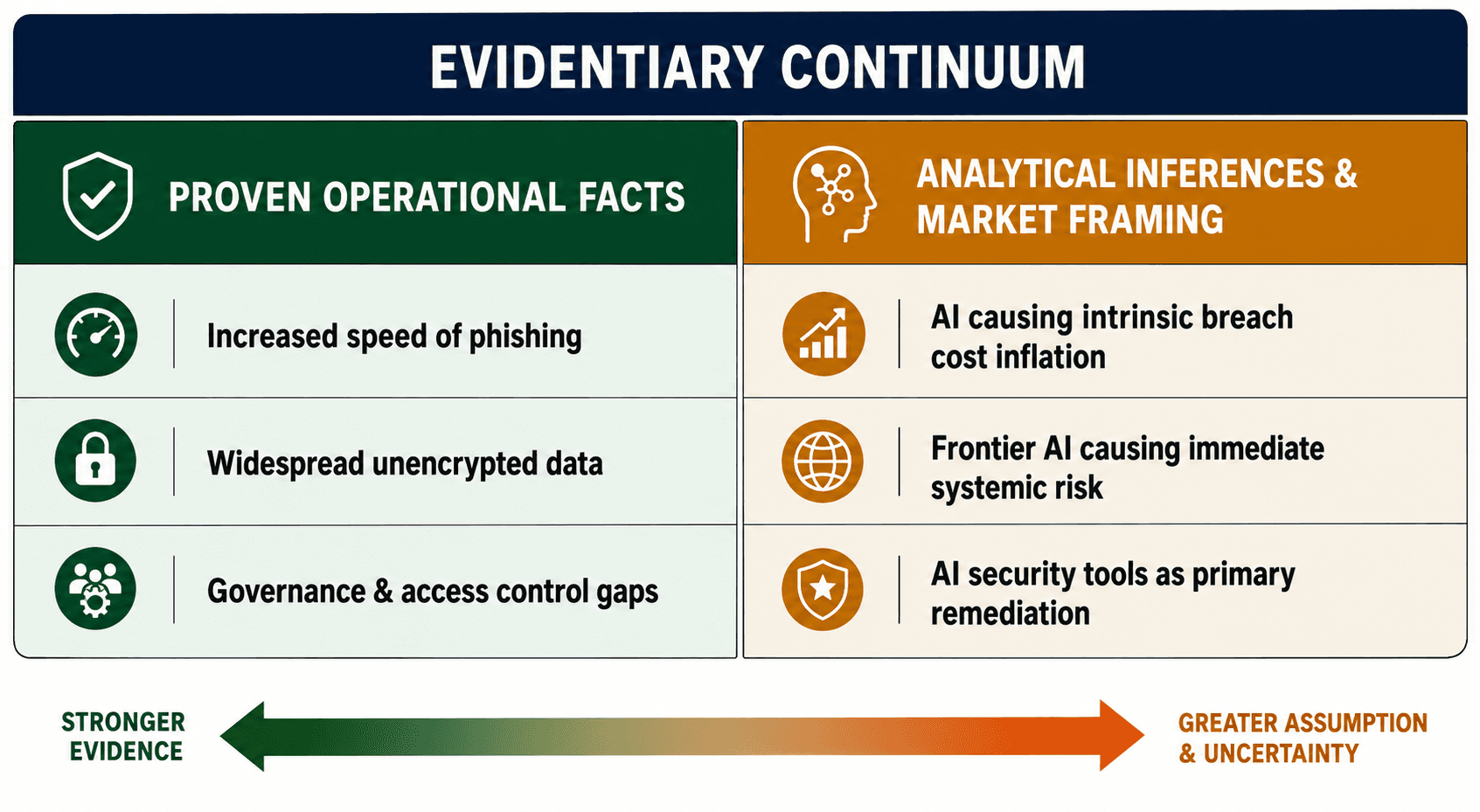
الأسس التجريبية مقابل افتراضات السوق
التنفيذ بمساعدة الذكاء الاصطناعي مقابل الهجوم الذاتي: تثبت الأدلة الحالية أن الذكاء الاصطناعي التوليدي يعمل في المقام الأول كمضاعف للكفاءة لمتجهات الهجوم التقليدية عبر سلسلة القتل السيبراني. وهو يمكّن الجهات الفاعلة في مجال التهديد من إنشاء عمليات تصيد احتيالي محلية ومقنعة للغاية، وتزييف صوتي عميق، ونصوص فحص آلي على نطاق واسع. ولا تثبت الأدلة المتاحة أن وكلاء الذكاء الاصطناعي المستقلين وذاتيي الانتشار يقومون بانتظام باختراقات سيبرانية شاملة دون تدخل بشري.
غموض تعريف "اختراق الذكاء الاصطناعي": غالباً ما تدمج دراسات الصناعة أربعة أسطح مخاطر متميزة تحت مسمى واحد وهو "الاختراق المرتبط بالذكاء الاصطناعي":
المهاجمون الذين يستخدمون الذكاء الاصطناعي كأداة كفاءة مساعدة (مثل كتابة نموذج تصيد احتيالي).
الهجمات التي تستهدف تحديداً نماذج الذكاء الاصطناعي أو بنيتها التحتية (مثل حقن الأوامر، وعكس النموذج).
الاختراقات التقليدية التي تحدث في بيئات توجد بها أدوات ذكاء اصطناعي غير معتمدة ("الذكاء الاصطناعي غير المصرح به").
إخفاقات تكنولوجيا المعلومات القياسية أو التكوينات السحابية الخاطئة التي تؤثر على أعباء العمل التي تستضيف تطبيقات الذكاء الاصطناعي.
ثغرة الحوكمة: تعود الغالبية العظمى من الحوادث الأمنية المبلغ عنها والتي تنطوي على أعباء عمل الذكاء الاصطناعي في المؤسسات إلى إخفاقات أساسية في البنية والنظافة التشغيلية. ويشمل ذلك واجهات برمجة التطبيقات المكشوفة، والتخزين السحابي المكون بشكل خاطئ، والامتيازات المفرطة، وضوابط الوصول المفقودة.
القيود المنهجية والإثباتية لدراسات الصناعة
يعتمد الكثير من الإجماع التنفيذي فيما يتعلق باقتصاديات الاختراقات السيبرانية على دراسات مرجعية سنوية بتكليف من بائعي التكنولوجيا (و/أو تحت تأثيرهم) وتجريها كيانات بحثية خاصة. ورغم أن هذه المنشورات تقدم رؤى توجيهية قيمة، فإن المنظور الاستشاري الأكثر واقعية يتطلب الإشارة إلى قيودها المنهجية الشديدة قبل استخدامها لتبرير تخصيص رأس المال.
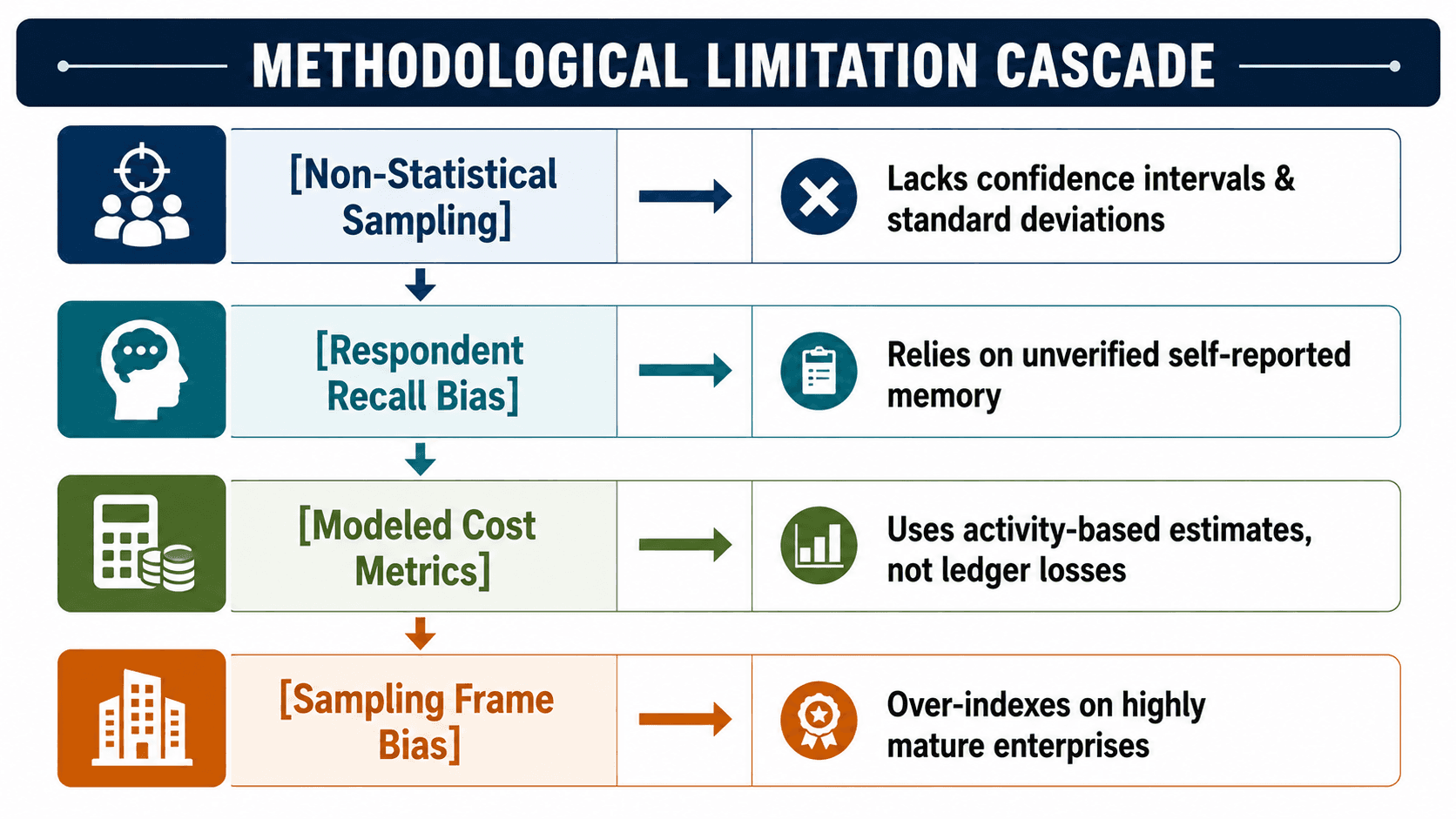
العينات غير الإحصائية: غالباً ما تستمد دراسات الاختراق الرائدة عينات غير إحصائية وتعتمد على التقدير الشخصي. وبالتالي، لا يمكن حساب هوامش الخطأ والانحرافات المعيارية وفترات الثقة. ويكاد يكون من المستحيل تطبيق اختبارات دلالة إحصائية صارمة على مجموعات البيانات هذه.
التقرير الذاتي غير المؤكد وانحياز التذكر: يتم جمع البيانات إلى حد كبير من خلال مقابلات نوعية بعد الحوادث مع الموظفين التنفيذيين وموظفي تكنولوجيا المعلومات. وتعكس النتائج الذكريات الذاتية، وقيود الذاكرة، والصياغة الداخلية للمستجيبين بدلاً من القياس البعيد للتحقيقات الجنائية الرقمية التي تم التحقق منها بشكل مستقل أو دفاتر الأستاذ المالية المدققة.
نقص المعلومات الفعلية عن الحوادث أو الأحداث: تفشل هذه التقارير، رغم حديثها عن ارتفاع هائل في الهجمات السيبرانية المدفوعة بالذكاء الاصطناعي، في الاستشهاد بحالة واحدة لحدث فعلي أبلغت عنه ضحية شملها الاستطلاع
التكاليف النموذجية مقابل تكاليف المحاسبة: لا تمثل الأرقام المالية المعروضة في التقارير المرجعية للصناعة خسائر محاسبية مباشرة في دفتر الأستاذ العام. بدلاً من ذلك، يتم إنشاؤها باستخدام نماذج التكلفة القائمة على الأنشطة (ABC) التي تستقرئ النفقات غير المباشرة، والاضطرابات التشغيلية، وتأثير وقت التوقف المقدر، وخسارة العملاء المتوقعة. ولا يتم الإبلاغ عن الأرقام من قبل الكيان المعني، بل يتم حسابها من قبل بائع الاستطلاع الذي قد يكون أو لا يكون قادراً على تقدير التكلفة الفعلية لمجموعة بيانات فقدتها الضحية.
المتغيرات المحذوفة وانحياز النضج: تميل أطر عينات البحث إلى الانحياز نحو المؤسسات المتوسطة والكبيرة التي لديها برامج أمنية رسمية. والأهم من ذلك، نادراً ما تستخدم هذه الدراسات تراجعات متعددة المتغيرات لعزل استخدام الذكاء الاصطناعي عن المتغيرات المربكة مثل التعقيد المؤسسي، أو إجمالي ميزانية تكنولوجيا المعلومات، أو البصمة التنظيمية، أو النضج الأمني الأساسي.
المشكلة الكامنة في اقتصاديات الاختراق المدفوع بالذكاء الاصطناعي
تؤكد الأرقام الرئيسية غالباً أن الاختراقات المدفوعة بالذكاء الاصطناعي تفرض غرامات مالية مباشرة ضخمة، وغالباً ما تستشهد بتكلفة إضافية تقارب مليون دولار لكل حادث، أو أن الذكاء الاصطناعي الأمني الدفاعي يوفر الملايين. وتتطلب هذه الادعاءات الاقتصادية تقييماً نقدياً صارماً. ويجب أن تستند إلى صياغة واضحة للمتغيرات المدروسة مع توضيح التداعيات طويلة وقصيرة المدى مع الاستشهاد بالافتراضات أيضاً.
تفكيك غرامة تكلفة الذكاء الاصطناعي
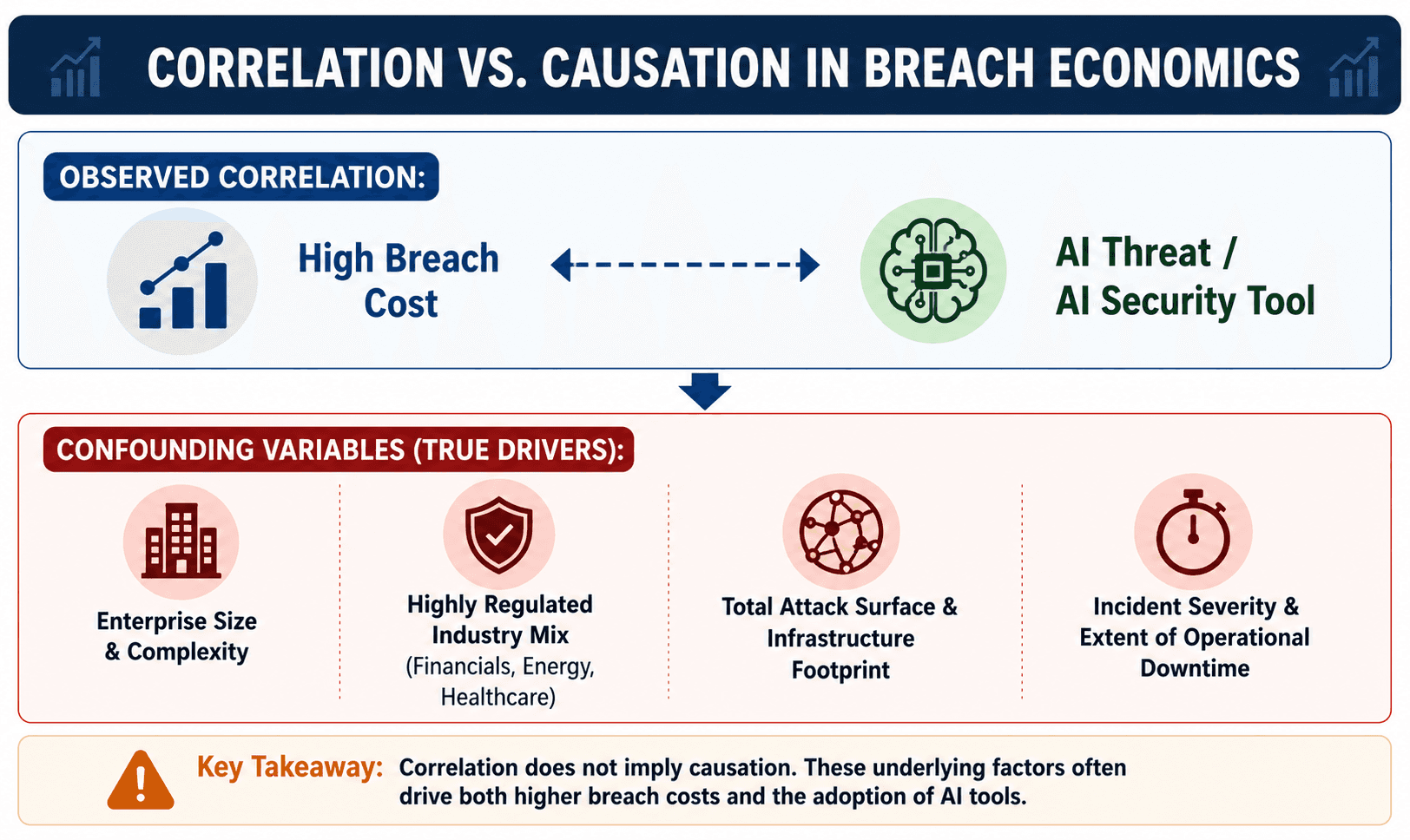
عندما تشير الأبحاث إلى أن الهجمات التي تستخدم الذكاء الاصطناعي تكلف أكثر بكثير من الاختراقات الخبيثة التقليدية، يجب على لجان المخاطر أن تتساءل عما إذا كان الذكاء الاصطناعي هو السبب المباشر لارتفاع التكلفة أم أنه مجرد متغير مرتبط.
استهداف الكيانات عالية القيمة (HVEs): تستهدف الجهات الفاعلة المتقدمة في مجال التهديد التي تستخدم أدوات متطورة مدعومة بالذكاء الاصطناعي بشكل كبير المؤسسات الكبيرة والمعقدة والمربحة للغاية (مثل المؤسسات المالية العالمية وشبكات الطاقة). وتتحمل هذه المؤسسات المستهدفة بطبيعة الحال تكاليف أعلى للتعافي من الاختراق، والتكاليف القانونية والتنظيمية، وتكاليف وقت التوقف عن العمل بغض النظر عن الأدوات المحددة للجهة المهاجمة.
شدة الحادث ونطاقه: قد يؤدي الهجوم الذي يستغل الأتمتة للتحرك بشكل أسرع إلى اختراق بصمة أكبر من السجلات أو التكنولوجيا التشغيلية قبل احتوائه. والتكلفة المرتفعة هي نتيجة لنطاق التدمير ووقت التوقف عن العمل للتعافي، وليس الوجود الرياضي لنص ذكاء اصطناعي.
غياب التباين وأحجام العينات: لا تكشف مجموعات بيانات الصناعة عموماً عن حجم العينة الدقيق () للحوادث المصنفة على أنها "مدفوعة بالذكاء الاصطناعي" بحتة، ولا تبلغ عن التباين أو الانحراف المعياري عبر تلك الحوادث. وبدون هذه المقاييس، فإن تأكيد وجود أساس اقتصادي سببي قاطع يعد أمراً غير سليم من الناحية المنهجية.
مفارقة خفض تكلفة الذكاء الاصطناعي الدفاعي
وعلى العكس من ذلك، فإن الادعاءات بأن النشر الواسع النطاق للذكاء الاصطناعي الأمني والأتمتة يؤدي إلى تخفيضات هائلة في التكاليف (مثل وفورات تقترب من 2 مليون دولار لكل اختراق) يجب النظر إليها من منظور النضج الأمني العام:
التبني كمؤشر للنضج: المؤسسات القادرة على نشر الذكاء الاصطناعي الأمني على نطاق واسع عبر تدفقات عمل الوقاية والكشف والاستجابة تمتلك بشكل شبه عالمي ميزانيات أعلى للأمن السيبراني، ومراكز عمليات أمنية ناضجة (SOCs)، وإدارة قوية للهوية والوصول (IAM)، وخطط استجابة للحوادث (IR) مدربة جيداً، وممارسات DevSecOps رسمية.
مغالطة السببية: إن انخفاض تكلفة الاختراق الملحوظ في المؤسسات ذات المعدلات العالية لتبني الذكاء الاصطناعي مدفوع بنضجها الأمني الشامل والأساسي. ويعتبر عزو هذه الوفورات المالية حصرياً إلى شراء أدوات أمن الذكاء الاصطناعي بمثابة فشل أساسي في التحكم في المتغيرات التشغيلية المربكة.
فجوة الأدلة في الهند
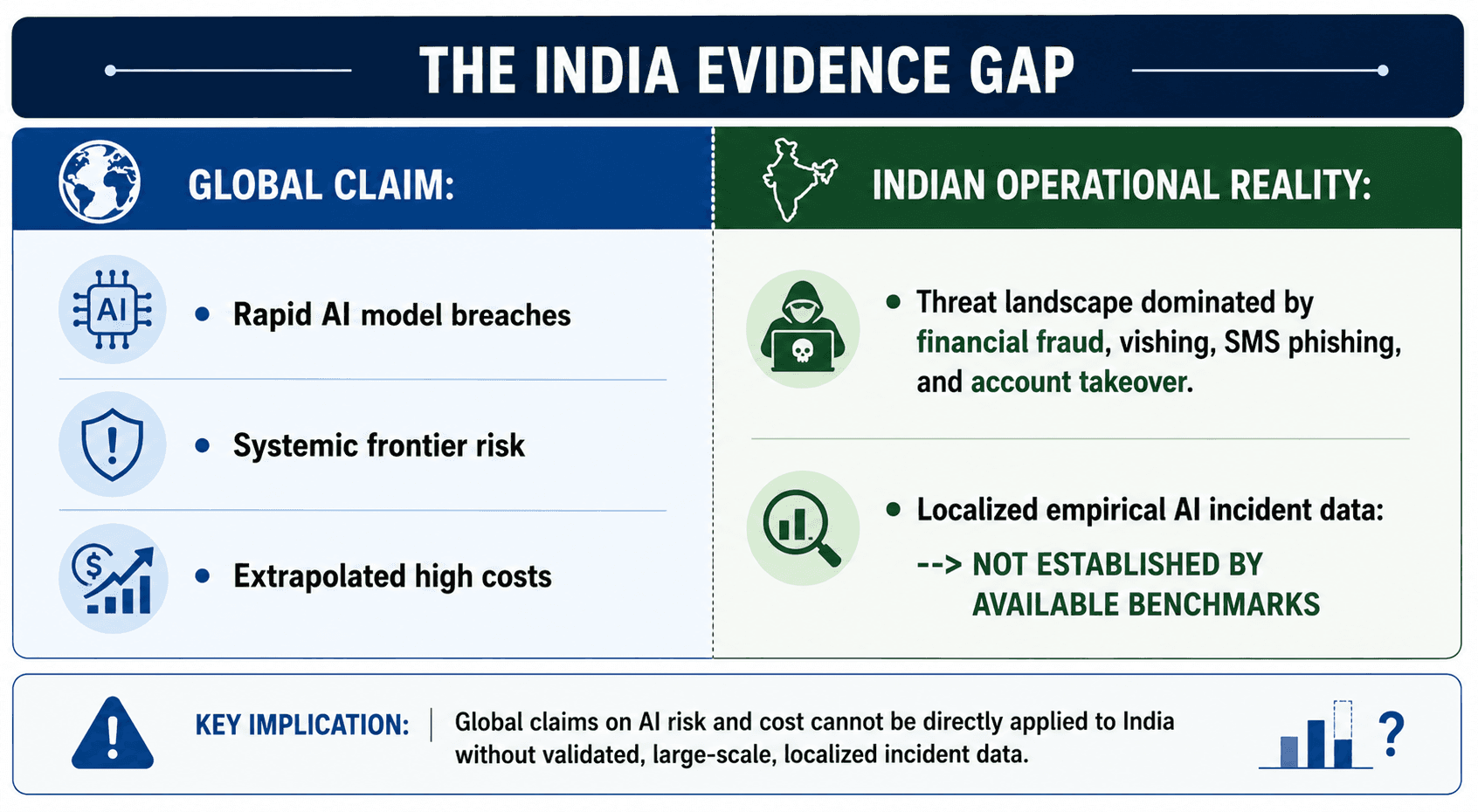
عند تقييم المخاطر السيبرانية للمؤسسات في الهند، يجب على مجالس الإدارة ومديري أمن المعلومات وضع خط صارم بين التعميمات الإحصائية العالمية والأدلة التشغيلية المحلية المؤكدة.
التقييم النقدي للبيانات المحلية
محدودية حجم العينة: تشمل دراسات خروقات البيانات العالمية عادةً مجموعة محدودة من المؤسسات الهندية (~50-60 مؤسسة، وهو ما يمثل أقل من 10% من العينات العالمية).
تفاصيل غير مدعمة بأدلة: لا تحدد مجموعات بيانات الأبحاث العالمية المتاحة أو تكشف عن:
العدد الدقيق للاختراقات الهندية المصنفة بدقة على أنها "مدفوعة بالذكاء الاصطناعي".
مدى انتشار متجهات هجوم محددة للذكاء الاصطناعي في الهند (مثل عكس النموذج، وحقن الأوامر، وتسميم البيانات).
سلاسل الهجوم التي تم التحقق منها بشكل مستقل، أو توقيعات البرامج الضارة، أو أدلة التحقيق الجنائي الرقمي التي تثبت أن الذكاء الاصطناعي كان ضرورياً للاختراقات المحلية.
تفاصيل محاسبية مؤكدة تعزل الخسائر المنسوبة إلى الذكاء الاصطناعي داخل الكيانات الهندية.
السياق التشغيلي المحلي مقابل الصياغة العالمية
في القطاعات المالية والبنية التحتية الحيوية في الهند، لا يزال مشهد التهديدات العملي يهيمن عليه الاحتيال المالي الرقمي واسع النطاق، والتصيد الصوتي/عبر الرسائل النصية القصيرة (vishing/smishing)، وحصاد أوراق الاعتماد، والهندسة الاجتماعية التي تستهدف الاستيلاء على الحسابات عن بُعد. ورغم أن الجهات الفاعلة في مجال التهديد تستخدم أدوات توليدية أساسية لتحسين الجودة اللغوية وحجم التصيد الاحتيالي المحلي، فإن التعامل مع هذا الأمر كفئة جديدة تماماً من "الاختراق السيبراني المدفوع بالذكاء الاصطناعي" يعد تمثيلاً مضللاً وموجهاً للواقع التشغيلي.
تصنيف مخاطر الذكاء الاصطناعي السيبرانية: تفكيك متجهات التهديد
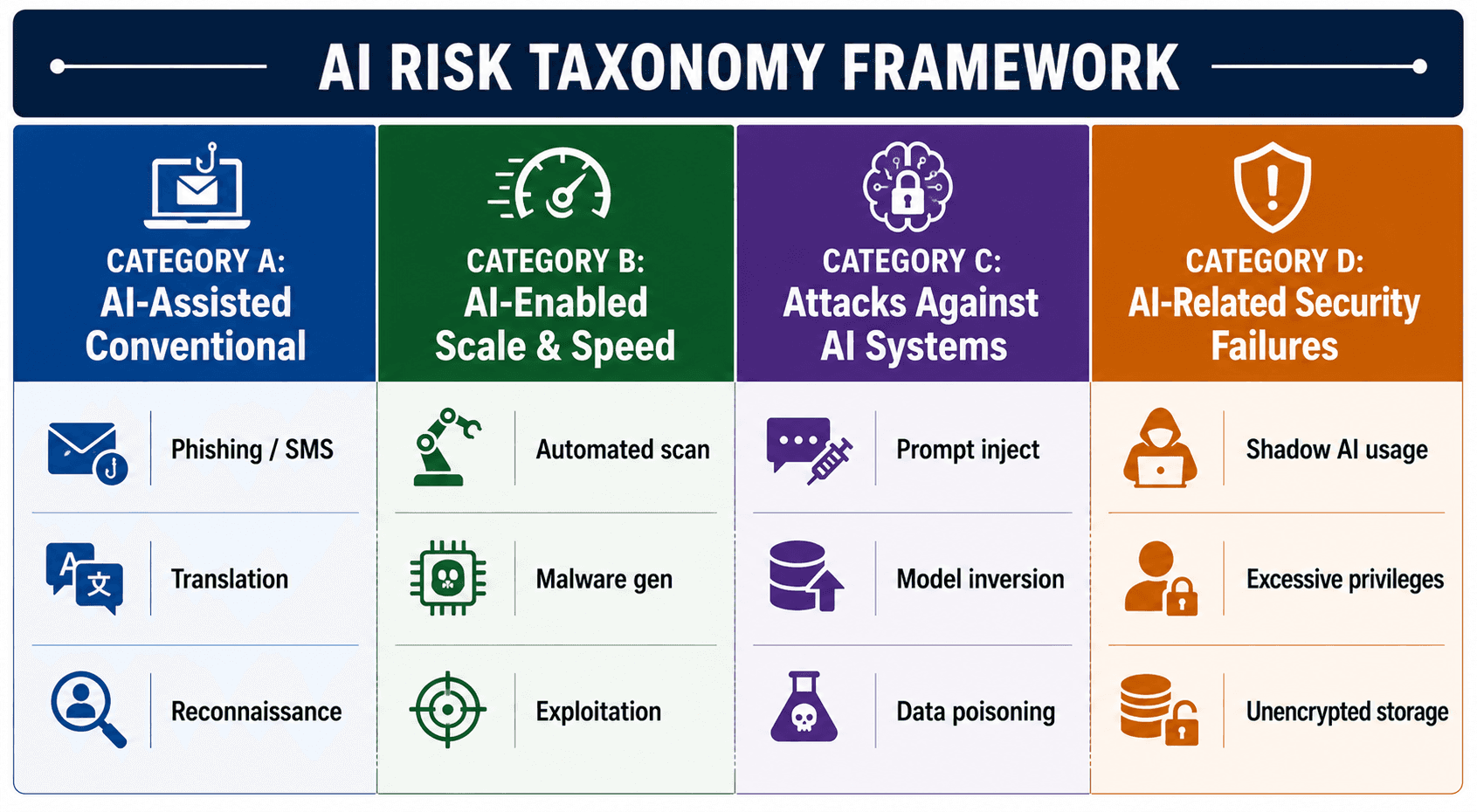
لمنع الصياغة العامة والتخصيص غير السليم للموارد، يجب على المؤسسات تقسيم مخاطر الذكاء الاصطناعي السيبرانية إلى أربع فئات متميزة:
أ. الهجمات التقليدية بمساعدة الذكاء الاصطناعي
التعريف: أساليب الهجوم التقليدية حيث يستخدم المهاجمون أدوات الذكاء الاصطناعي التجارية القياسية كمساعدات إنتاجية ثانوية لتوفير الوقت.
أمثلة: كتابة رسائل بريد إلكتروني مقنعة للتصيد الاحتيالي، أو ترجمة رسائل الإغراء، أو تحسين نصوص الاستطلاع، أو صياغة شخصيات للهندسة الاجتماعية.
التأثير: يقلل من حواجز الدخول ويزيد من حجم الهجوم، ولكنه لا يغير الثغرة الأمنية الأساسية أو متجه الاختراق.
ب. الهجمات عالية السرعة الممكنة بالذكاء الاصطناعي
التعريف: الهجمات التي يغير فيها الذكاء الاصطناعي المتخصص أو الأتمتة مادياً سرعة أو حجم أو دقة استهداف أو قدرة حمولة الاستغلال.
أمثلة: الاكتشاف التلقائي للثغرات الأمنية والتوليف السريع للاستغلال، وإخفاء حمولة البرامج الضارة متعددة الأشكال التي تم إنشاؤها بواسطة الذكاء الاصطناعي.
التأثير: يقلص نوافذ رد فعل المدافعين من أيام إلى دقائق.
ج. الهجمات التي تستهدف أنظمة الذكاء الاصطناعي مباشرة
التعريف: الاستغلال الموجه نحو الآليات الداخلية أو البنية أو قنوات التدريب لنماذج وتطبيقات الذكاء الاصطناعي.
أمثلة: حقن الأوامر غير المباشر، عكس/استخراج النموذج، تسميم بيانات التدريب، التهرب الخصمي، واختراق واجهات برمجة تطبيقات النماذج المتصلة أو المكونات الإضافية للتنسيق.
التأثير: يعرض سرية البيانات وسلامة النموذج ومنطق اتخاذ القرار في النظام للخطر.
د. الإخفاقات الأمنية وإخفاقات الحوكمة المرتبطة بالذكاء الاصطناعي
التعريف: حدوث حوادث ناتجة عن سوء الإدارة، أو ضعف بنية الهوية، أو غياب الرقابة المحيطة بنشر الذكاء الاصطناعي.
أمثلة: نشر برامج ذكاء اصطناعي غير معتمدة من جهات خارجية ("الذكاء الاصطناعي غير المصرح به")، وأذونات حساب خدمة واجهة برمجة التطبيقات المفرطة، ونقص تصنيف البيانات، وتخزين بيانات حساسة غير مشفرة في مستودعات الذكاء الاصطناعي السحابية العامة.
التأثير: يمثل فشلاً أساسياً في النظافة التشغيلية، مما يعرض الأصول الحساسة للخطر دون الحاجة إلى تقنيات مهاجم متطورة.
سيناريوهات الهجوم في العالم الحقيقي مقابل فجوات الأدلة
يجب أن يقيم تقييم المخاطر التأسيسي ما إذا كانت ادعاءات الصناعة المنشورة مدعومة بسلاسل هجوم شاملة تم التحقق منها جنائياً من البداية إلى النهاية.
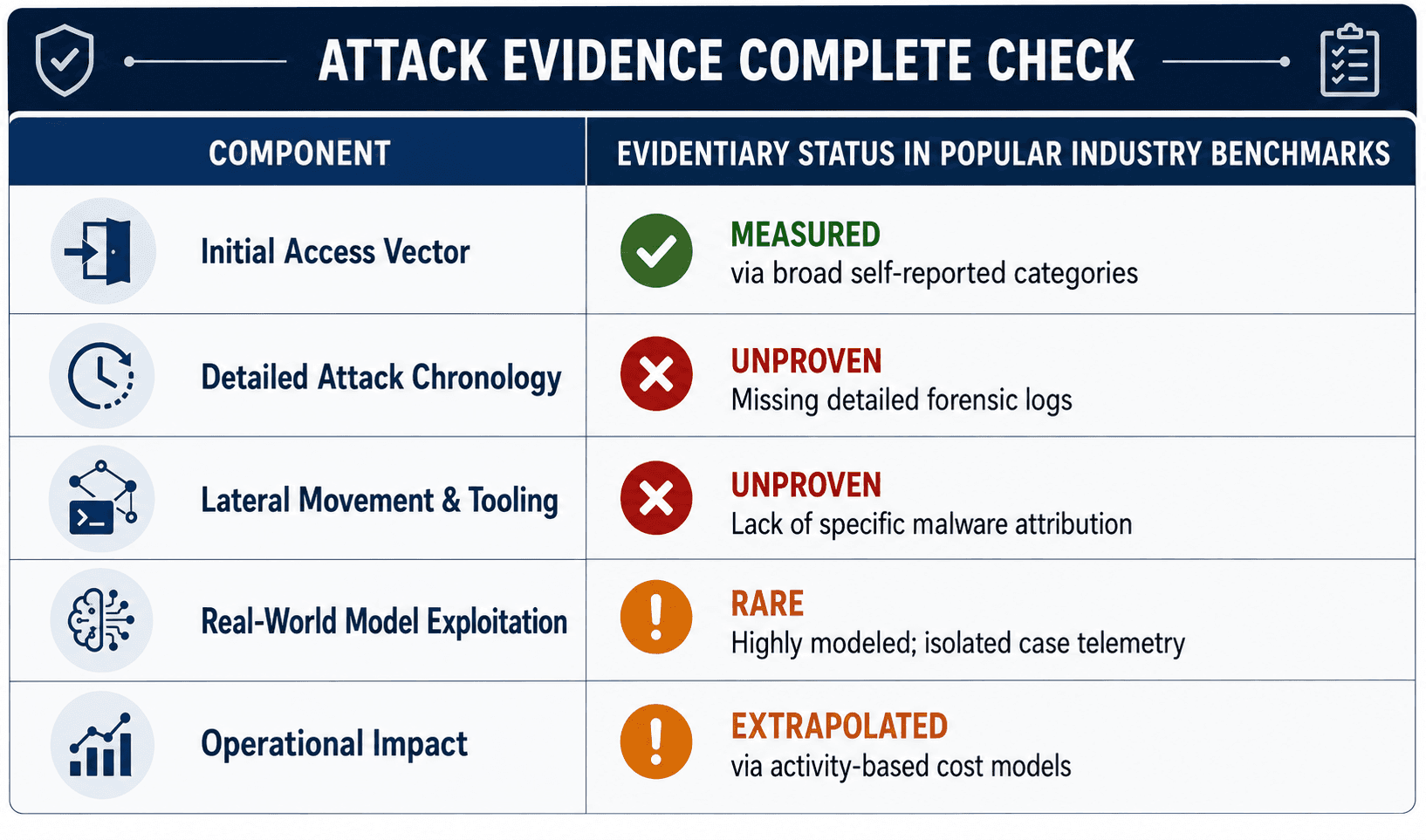
عبر أدبيات الصناعة الأوسع نطاقاً، هناك ندرة واضحة في دراسات الحالة الموثقة والواقعية التي توضح بالتفصيل سلاسل الهجوم الجنائي من البداية إلى النهاية حيث كان الفشل الرياضي لنموذج الذكاء الاصطناعي هو متجه الاختراق الأساسي.
بدلاً من ذلك، تعود الغالبية العظمى من الحوادث المؤكدة إلى متجهات الوصول الأولية القياسية: التصيد الصوتي/عبر الرسائل النصية القصيرة، وإساءة استخدام أوراق الاعتماد الصالحة، والثغرات الأمنية للبرامج غير المرقّعة والمواجهة للجمهور، واختراقات سلاسل توريد البرامج التابعة لجهات خارجية.
إعادة فحص المخاطر السيبرانية للخدمات المالية
تُذكر المؤسسات المالية بانتظام كهدف رئيسي لتهديدات الذكاء الاصطناعي السيبرانية المتقدمة. ويكشف الفحص الدقيق عن تمايزات مهمة:
تجميع واسع للصناعة: تجمع الدراسات المرجعية روتينياً قطاعات فرعية متنوعة مثل الخدمات المصرفية للأفراد، والخدمات المصرفية الاستثمارية، والشركات المالية غير المصرفية (NBFCs)، ومعالجي المدفوعات، وأسواق رأس المال، ومنصات الإقراض الرقمي، وبورصات العملات المشفرة في سلة واحدة تسمى "الخدمات المالية".
تفسير الاحتيال على أنه اختراق سيبراني: تنطوي نسبة كبيرة من الحوادث المبلغ عنها في القطاع المالي على عمليات احتيال في الدفع مواجهة للمستهلكين، والهندسة الاجتماعية، وحصاد أوراق الاعتماد، ومكائد دفع الأموال المصرح بها.
تضخيم التكاليف التنظيمية: تواجه الخدمات المالية لوائح صارمة لحماية البيانات العالمية، وقواعد إخطار إلزامية بالخروقات، وعقوبات امتثال عالية. وبالتالي، عندما تتعرض مؤسسة مالية لاختراق، فإن تكاليف التقارير القانونية وآليات تعويض العملاء تؤدي إلى تضخيم إجمالي أرقام تكلفة الاختراق إلى الأعلى - بغض النظر عما إذا كان الذكاء الاصطناعي متورطاً في الاختراق.
الحوكمة مقابل التكنولوجيا: العقبة التشغيلية الحقيقية
إن الثغرة الأمنية الأساسية التي تواجه المؤسسات الحديثة ليست الافتقار إلى تكنولوجيا دفاعية متطورة لأمن الذكاء الاصطناعي؛ بل هي التبني السريع لأنظمة الذكاء الاصطناعي في المؤسسات في غياب الحوكمة الأساسية، وإدارة الهوية، والنظافة التشغيلية.
انهيار الحوكمة
تثبت البيانات المرجعية للصناعة أن أكثر من ثلثي المؤسسات التي تعرضت للاختراق كانت تفتقر إلى سياسات حوكمة وظيفية للذكاء الاصطناعي أو قدرات كشف عن الذكاء الاصطناعي غير المصرح به.
علاوة على ذلك، فشلت أكثر من 90% من المؤسسات التي تعرضت لحوادث أمنية تنطوي على نماذج ذكاء اصطناعي في فرض ضوابط الوصول الأساسية (مثل التحكم في الوصول القائم على الدور والمصادقة متعددة العوامل) على أعباء عمل الذكاء الاصطناعي تلك.
أقل من نصف بيئات المؤسسات تدير وتؤمن بنشاط الهويات غير البشرية (NHIs) - مثل مفاتيح واجهة برمجة التطبيقات، وحسابات الخدمة، والرموز المميزة الآلية - التي تعمل ضمن تدفقات عمل الذكاء الاصطناعي المؤتمتة.
التسلسل الهرمي لضوابط المؤسسة
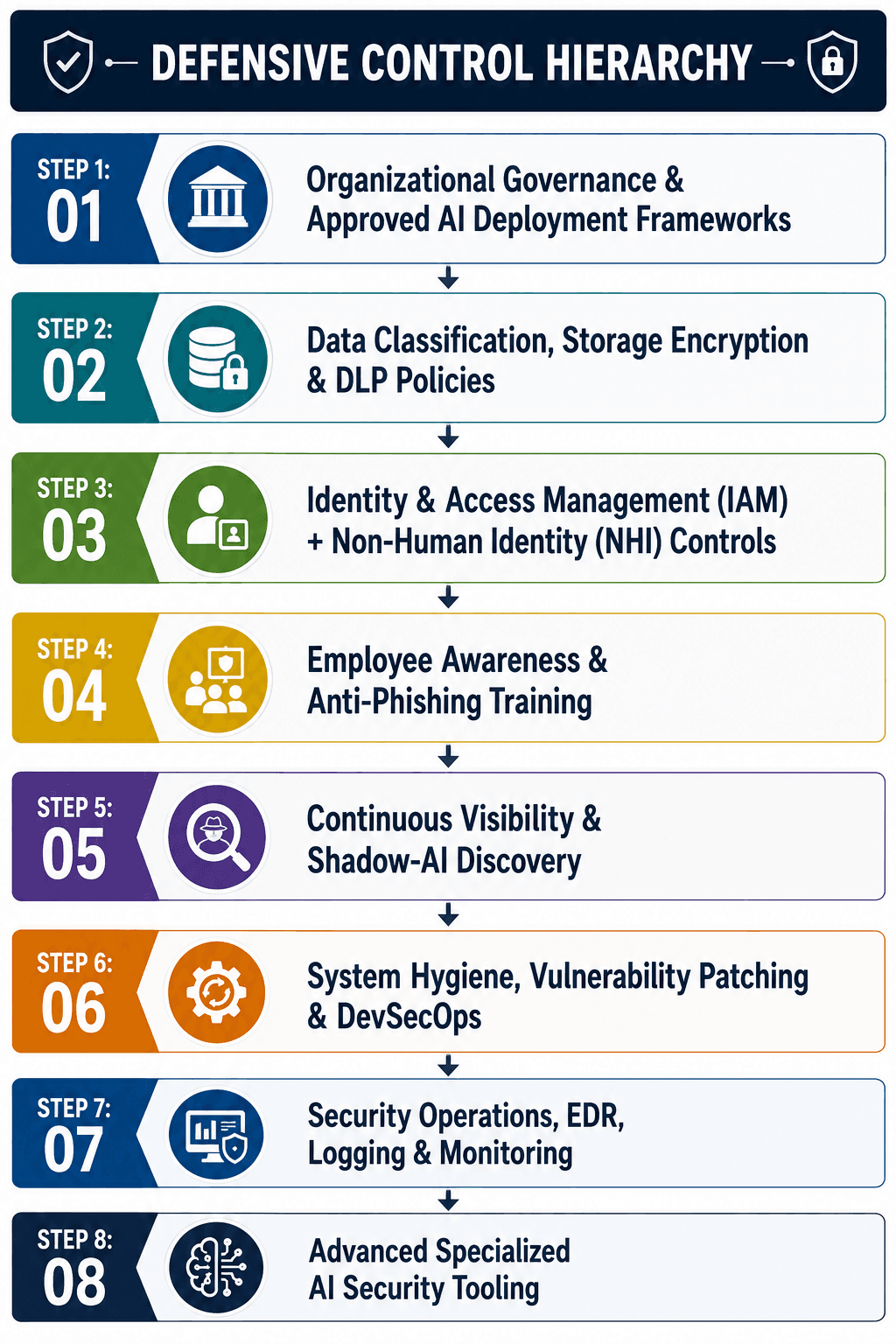
المؤسسات التي تحاول التخفيف من مخاطر الذكاء الاصطناعي من خلال الشراء الفوري لمنصات أمنية متخصصة للذكاء الاصطناعي تقفز إلى الخطوة 8 من التسلسل الهرمي الدفاعي بينما تتجاهل الخطوات من 1 إلى 7.
يجب على القيادة التنفيذية فرض تسلسل صارم لضوابط التحكم:
أطر الحوكمة والسياسات: تحديد تدفقات عمل واضحة للموافقة، وسياسات الاستخدام المقبول، ورقابة الامتثال لأدوات الذكاء الاصطناعي.
تصنيف البيانات وتشفيرها: فرض تشفير قوي للبيانات الساكنة والمنتقلة عبر جميع مستودعات المؤسسة قبل تعريض البيانات لقنوات الذكاء الاصطناعي.
إدارة الهوية والوصول (IAM): فرض سياسات صارمة للحد الأدنى من الامتيازات، والوصول القائم على الثقة الصفرية، وإدارة دورة الحياة المخصصة لكل من المستخدمين البشر والهويات غير البشرية (NHIs).
الرؤية واكتشاف الذكاء الاصطناعي غير المصرح به: تنفيذ أدوات اكتشاف نشطة لتحديد أعباء العمل السحابية غير المصرح بها، واستخدام برمجيات الذكاء الاصطناعي الخدمية غير المعتمدة، وتكاملات واجهة برمجة التطبيقات غير القانونية.
النظافة الأساسية وممارسات DevSecOps: الحفاظ على إدارة منضبطة للثغرات الأمنية، والتصحيح المستمر، والتدقيق الآلي للتكوين.
أدوات الذكاء الاصطناعي المتقدمة: نشر مراقبة أمنية متخصصة للذكاء الاصطناعي فقط بعد تشغيل ضوابط الوصول والهوية والبيانات الأساسية بالكامل.
السردية التجارية والتكنولوجية
عند تقييم الضغط المتزايد لشراء حلول مخصصة للأمن السيبراني للذكاء الاصطناعي، يجب على لجان الاستثمار النظر في الديناميكيات التجارية الأوسع التي تحرك منظومة البائعين:
الحوافز التجارية: لدى بائعي منتجات الأمن السيبراني حوافز تجارية قوية لصياغة المخاطر الناشئة حول تهديدات جديدة ومعقدة تستدعي مجموعات برمجيات جديدة ومتخصصة.
انتشار الأدوات الدفاعية مقابل الضوابط الأساسية: غالباً ما تبالغ السرديات التسويقية في التركيز على تهديدات الذكاء الاصطناعي الحدودية بينما تقلل من حقيقة أن أكثر من نصف خروقات بيانات المؤسسات تنتج عن مستودعات حساسة أساسية وغير مشفرة، أو إساءة استخدام أوراق الاعتماد، أو التصيد الاحتيالي القياسي.
مغالطة مؤشر النضج: تشير الرسائل التجارية بشكل متكرر إلى أن شراء أنظمة دفاع الذكاء الاصطناعي يؤدي مباشرة إلى خفض تكاليف الاختراق. وفي الواقع، يتم تحقيق تكاليف اختراق أقل من خلال نضج برنامج الأمن السيبراني الشامل، والانضباط التشغيلي القوي، ومراكز العمليات الأمنية الممولة جيداً، والحوكمة الفعالة.
الدروس الأساسية: أساسيات الأمن السيبراني أولاً
يؤدي التقييم النقدي للأدلة إلى استنتاج لا يمكن إنكاره: يعتمد التخفيف الفعال للمخاطر السيبرانية المرتبطة بالذكاء الاصطناعي في المقام الأول على إتقان أساسيات الأمن السيبراني، وليس على الحلول المتخصصة من البائعين.
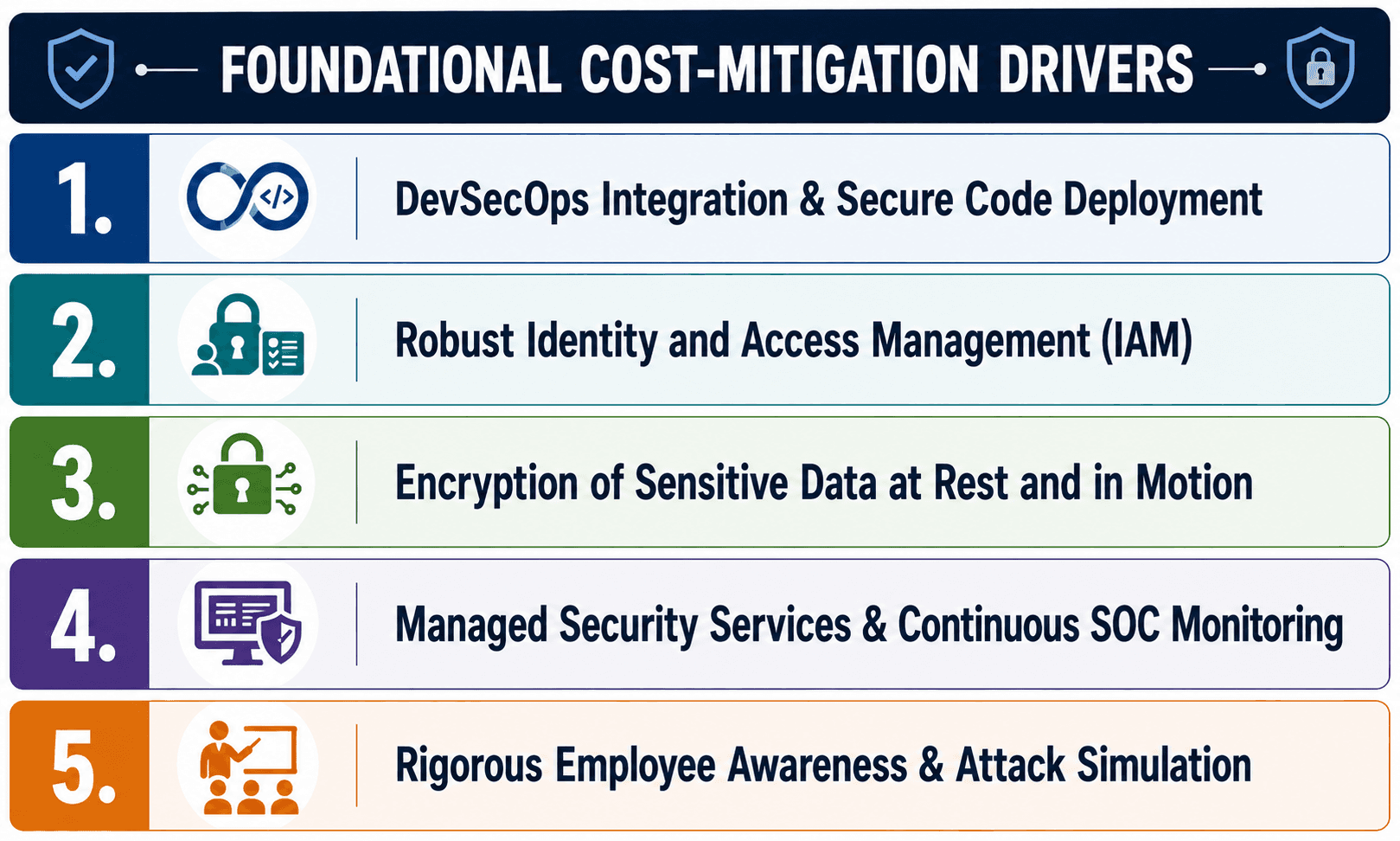
وتتركز العوامل الرئيسية التي ثبت أنها تخفف باستمرار من تأثير الاختراق حول التخصصات الأساسية:
نهج DevSecOps: يظل دمج اختبارات الأمان مباشرة في دورات حياة التطوير أحد أهم العوامل التي تقلل من تكاليف الحوادث.
أمن الهوية الشامل: يمنع التنفيذ الصارم لإدارة الهوية والوصول (IAM) عبر الهويات البشرية والآلية التحركات الجانبية غير المصرح بها.
تشفير البيانات العالمي: يقلل حماية البيانات الساكنة والمنتقلة من التعرض المالي، حتى عند اختراق محيط الشبكة.
جاهزية الاستجابة للحوادث واختبارها: يؤدي التمرين المنتظم على خطط الاستجابة للحوادث، واختبار الاختراق المحاكي (Red Teaming)، والبحث عن التهديدات إلى تقليص الجداول الزمنية لاحتواء الاختراقات بشكل كبير.
مصفوفات الأدلة التحليلية
المصفوفة العالمية: ما تثبته الأدلة مقابل ما لا تثبته
الادعاء | الأدلة المتاحة | ما تدعمه الأدلة مباشرة | ما يزال غير مثبت / غير مدعوم بأدلة | مستوى الثقة |
زيادة سريعة في الهجمات المدفوعة بالذكاء الاصطناعي | تقارير ذاتية من الاستطلاعات تشير إلى زيادة بنسبة ~56% في الحوادث المدفوعة بالذكاء الاصطناعي. | تستخدم الجهات الفاعلة في مجال التهديد بشكل متزايد الأدوات التوليدية للمساعدة في الهندسة الاجتماعية والتصيد الاحتيالي. | أن أنظمة الذكاء الاصطناعي المستقلة تجري اختراقات كاملة للشبكات دون توجيه بشري. | متوسط |
تكلفة اختراق إضافية منسوبة إلى الذكاء الاصطناعي | تقديرات نموذجية تزعم غرامة تكلفة تقارب مليون دولار للاختراقات المدفوعة بالذكاء الاصطناعي. | تسارع الهجمات بمساعدة الذكاء الاصطناعي وتستهدف المؤسسات عالية القيمة. | السببية المباشرة بين أدوات الذكاء الاصطناعي وتضخم التكلفة، بشكل مستقل عن حجم المؤسسة والصناعة. | منخفض |
أدوات أمن الذكاء الاصطناعي تؤدي إلى خفض تكاليف الاختراق | ارتباط يظهر انخفاض تكاليف الاختراق بمقدار 1.9 مليون دولار في مراكز العمليات الأمنية ذات المعدلات العالية لتبني الذكاء الاصطناعي. | المؤسسات التي لديها برامج أمنية ناضجة وميزانيات عالية تتحمل تكاليف اختراق أقل. | أن شراء برمجيات أمن الذكاء الاصطناعي يتسبب مباشرة في خفض التكاليف، بشكل مستقل عن النضج الأساسي. | منخفض - متوسط |
تركيز استهداف القطاع المالي | بيانات استطلاع تظهر تركيزاً عالياً للهجمات في قطاعي المال والطاقة. | القطاعات الخاضعة لرقابة صارمة والتي تمتلك بيانات قيمة تعاني من تأثير تشغيلي كبير نتيجة للاختراقات. | أن المؤسسات المالية تواجه ثغرات فريدة ورياضية في الذكاء الاصطناعي مقارنة بالقطاعات الأخرى. | متوسط |
انتشار قصور حوكمة الذكاء الاصطناعي | أكثر من 60% من الكيانات المخترقة تفتقر إلى حوكمة الذكاء الاصطناعي أو ضوابط الوصول. | التبني التشغيلي للذكاء الاصطناعي يتجاوز بسرعة الرقابة الأمنية للمؤسسات وتكامل إدارة الهوية والوصول (IAM). | غير قابل للتطبيق (مدعوم جيداً بالبيانات التجريبية). | مرتفع |
مصفوفة الأدلة الخاصة بالهند
النتيجة / الادعاء | هل تتوفر أدلة خاصة بالهند؟ | ما يمكن استنتاجه فعلياً | ما لا يمكن استنتاجه |
انتشار الاختراقات المدفوعة بالذكاء الاصطناعي | لا (أحجام العينات صغيرة وغير مجزأة). | لا يمكن تطبيق النتائج العالمية مباشرة للاستدلال على الانتشار المحلي. | لم يتم إثباته من خلال الأدلة المتاحة. |
تكاليف اختراق محددة للذكاء الاصطناعي في الهند | لا (يتم الإبلاغ عن المعدلات الإقليمية دون تفصيل للذكاء الاصطناعي). | يبلغ متوسط التكاليف الإجمالية للاختراقات في الهند حوالي 2.79 مليون دولار[cite: 1]. | التأثير المالي المحدد المنسوب حصرياً إلى تهديدات الذكاء الاصطناعي في الكيانات الهندية[cite: 1]. |
تفصيل متجه الذكاء الاصطناعي المهيمن | لا (لم يتم تقديم تفصيل جنائي للهند)[cite: 1]. | تواجه المؤسسات الهندية أحجاماً كبيرة من الاحتيال المالي الرقمي والتصيد الاحتيالي. | النسبة الدقيقة لعكس النموذج، أو حقن الأوامر، أو البرامج الضارة في الاختراقات المحلية[cite: 1]. |
انتشار الذكاء الاصطناعي غير المصرح به في المؤسسات الهندية | لا (يغيب التفصيل الإقليمي المحدد)[cite: 1]. | التبني الشركاتي العام لأدوات البرمجيات الخدمية غير المعتمدة منتشر على نطاق واسع عالمياً[cite: 1]. | معدلات الحوادث المحلية الدقيقة المرتبطة تحديداً بالذكاء الاصطناعي غير المصرح به في الهند[cite: 1]. |
توصيات استراتيجية لمديري أمن المعلومات ومجالس الإدارة ولجان الاستثمار
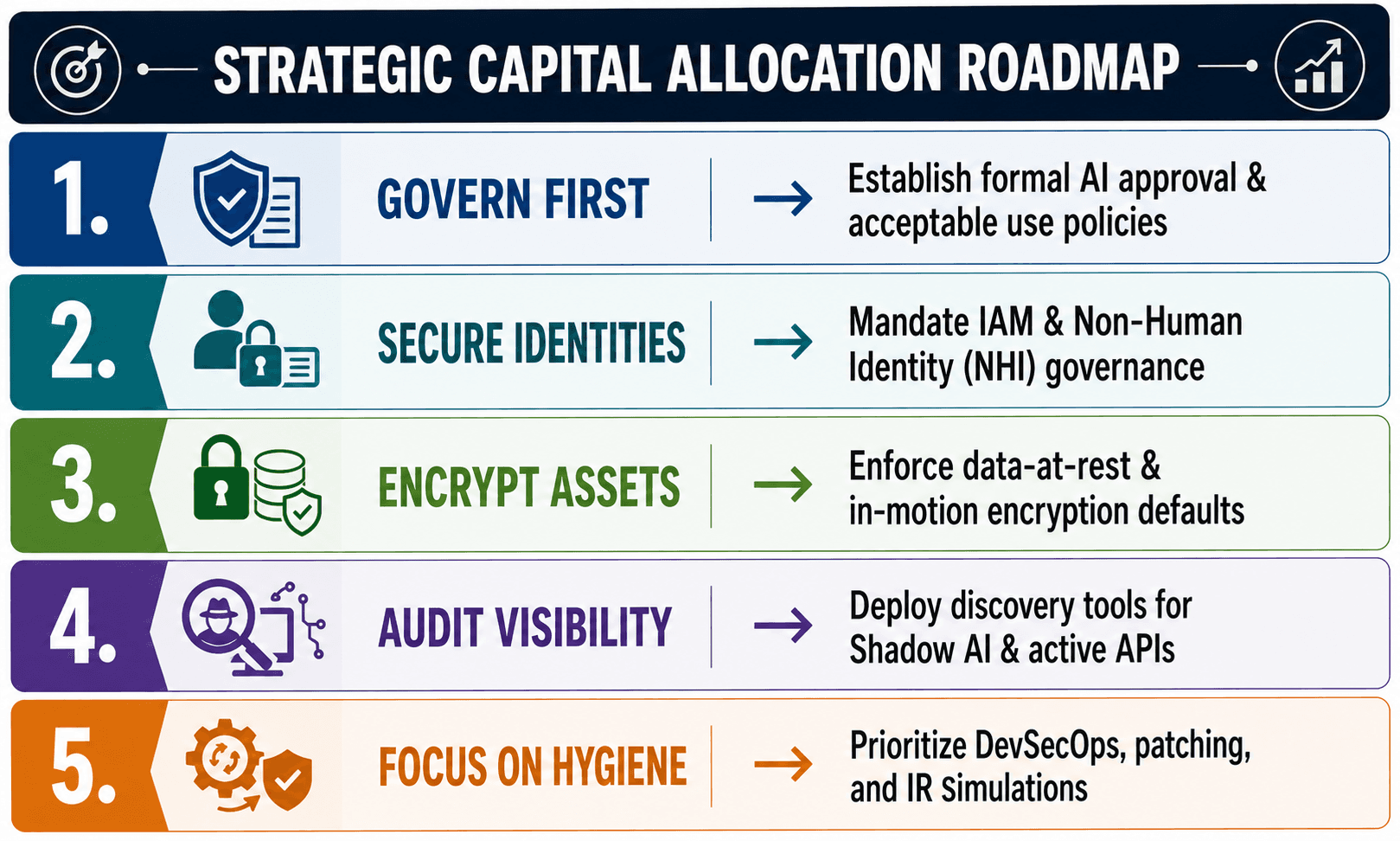
تدقيق الحوكمة الأساسية قبل شراء البرمجيات:
إلزامية وضع سياسات حوكمة واضحة تحدد أطر نشر الذكاء الاصطناعي المعتمدة، وقواعد التعامل مع البيانات، وبوابات الموافقة الإلزامية قبل ترخيص النفقات الرأسمالية لمنتجات أمن الذكاء الاصطناعي
توسيع بنية الهوية لتشمل الهويات غير البشرية (NHIs):
التعامل مع مفاتيح واجهة برمجة التطبيقات، وحسابات الخدمة، والرموز المميزة الآلية، ووكلاء الذكاء الاصطناعي كمتجهات هوية عالية المخاطر. وتنفيذ تفويض تشغيل مستمر، وتدوير تلقائي للمفاتيح، وضوابط وصول صارمة قائمة على الأدوار
فرض معايير تشفير عالمية:
تأكيد تشفير معلومات التعريف الشخصية الحساسة للعملاء، وسجلات الموظفين، والملكية الفكرية للشركات في حالتي السكون والانتقال. يظل التشفير أداة التحكم الوحيدة الأكثر موثوقية لإبطال فاعلية تعرض البيانات للخطر أثناء الاختراق
الحفاظ على رؤية مستمرة للذكاء الاصطناعي غير المصرح به وواجهات برمجة التطبيقات:
نشر آليات اكتشاف الشبكة ونقاط النهاية لمراقبة أدوات الذكاء الاصطناعي غير المعتمدة للبرمجيات الخدمية، وحالات التخزين السحابي غير المصرح بها، وتكاملات واجهة برمجة التطبيقات غير المصرح بها
إعطاء الأولوية لممارسات DevSecOps والجاهزية التشغيلية:
تخصيص رأس المال لممارسات الأمن الأساسية - مثل دمج الأمن في دورات حياة التطوير، والإدارة الصارمة للثغرات الأمنية، وتمارين اختبار الاختراق المحاكي المنتظمة، والتدريب على خطط الاستجابة للحوادث
الخاتمة
إن التحدي الرئيسي الذي يواجه المؤسسات الحديثة لا يكمن في أن الخصوم السيبرانيين قد أطلقوا أسلحة ذكاء اصطناعي مستقلة لا يمكن إيقافها. بل يكمن في أن المؤسسات تتبنى الذكاء الاصطناعي وتوسعه بسرعة أكبر بكثير مما يمكنها حوكمته وتأمينه ومراقبته. كما أن البعض لا يدرج المخاطر المرتبطة بالذكاء الاصطناعي في حسابات المخاطر الخاصة به.
للتخفيف من المخاطر السيبرانية بشكل فعال، يجب على مديري أمن المعلومات وأعضاء مجالس الإدارة ولجان الاستثمار مقاومة الدعاية المدفوعة من البائعين والاحتفاظ بالدقة التحليلية. إن الاستجابة الأكثر تأثيراً للمخاطر السيبرانية المرتبطة بالذكاء الاصطناعي لا تبدأ بالحصول على برمجيات دفاع باهظة الثمن وغير مثبتة للذكاء الاصطناعي. بل تبدأ بإتقان التخصصات الأمنية التأسيسية: فرض حوكمة صارمة، وتأمين الهويات البشرية والآلية، وتشفير المستودعات الحساسة، والحفاظ على نظافة تشغيلية صارمة في جميع أنحاء المؤسسة.
قم بتنزيل هذه الورقة البيضاء حول الذكاء الاصطناعي في حوكمة تكنولوجيا التشغيل لمعرفة المزيد.
احصل على تحديثات أسبوعية
الموارد والأخبار
تعرف على كيفية معالجة حلولنا الرائدة في مجال أمن تكنولوجيا التشغيل (OT) للتحديات الأمنية الحيوية
قد تود أيضًا

Investigative cyber threat research report: Colorado water utilities OT attacks
Prayukth K V
CEA Cyber Incident Response Requirements: How Power Utilities Can Build a Practical Security Plan
Team Shieldworkz

IEC 62443 for Pharmaceutical Manufacturing: Secure Critical Production OT
Team Shieldworkz

Investigative cyber threat research report: Cyberattacks on U.S.-bound energy tankers
Team Shieldworkz

The OT Lull: What a 30-day decline in direct intrusion activity actually tells us
Prayukth K V

Inside the Revolut data disclosure incident
Prayukth K V