
Equipo Shieldworkz
Cómo los sistemas ciberfísicos potencian las fábricas inteligentes y por qué protegerlos no es negociable
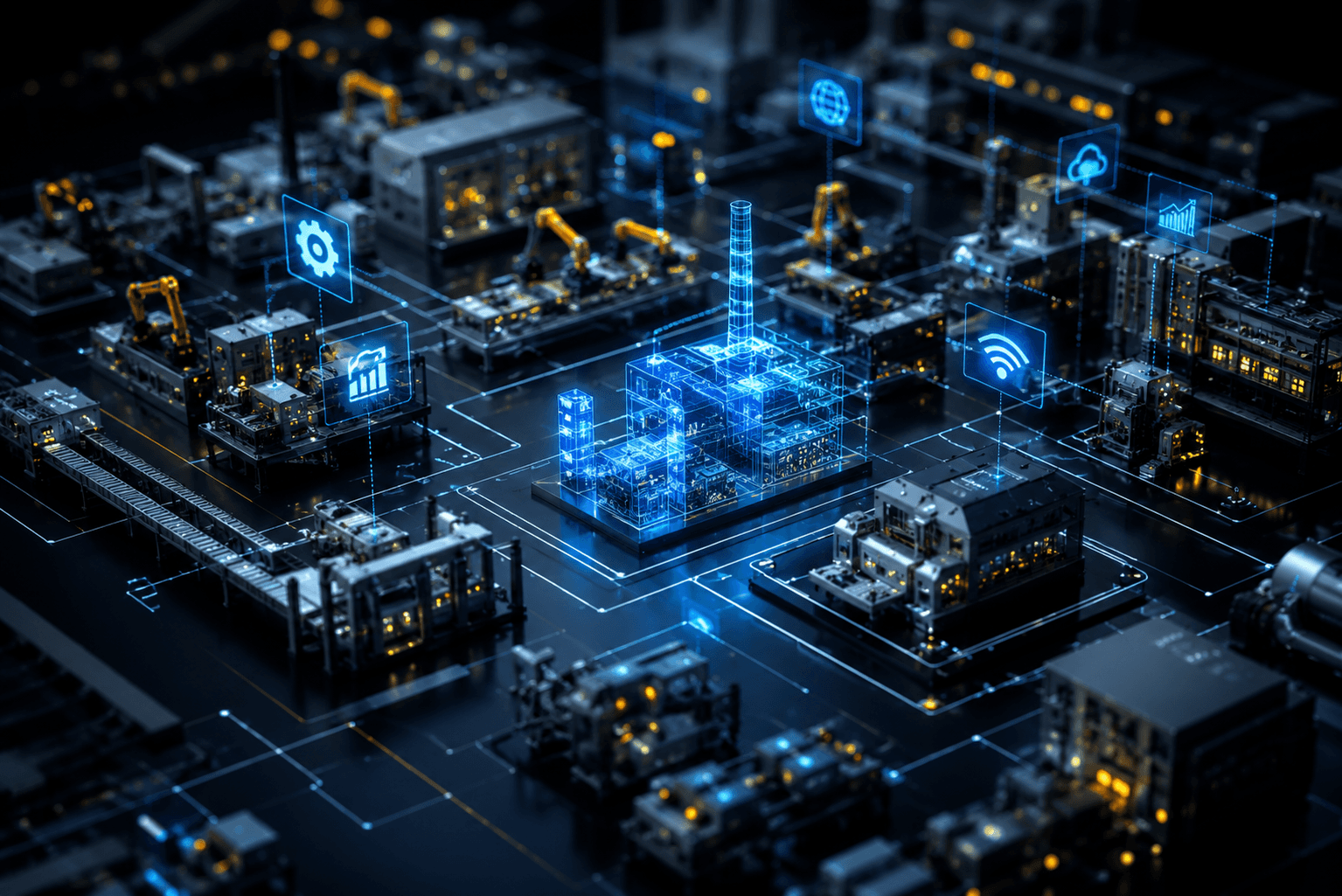
La manufactura inteligente ha cruzado un umbral crítico. Las plantas de producción actuales ya no son sistemas aislados de maquinaria y supervisión manual: son ecosistemas dinámicos e interconectados donde la inteligencia digital impulsa cada resultado físico. En el centro de esta transformación se encuentran los Sistemas Ciberfísicos (CPS): la arquitectura integrada que fusiona el poder computacional con los procesos industriales del mundo real.
Para los líderes de seguridad de OT, CISOs, gerentes de planta e ingenieros de ICS, comprender los CPS ya no es una curiosidad técnica. Es un requisito estratégico, porque la misma conectividad que impulsa la excelencia operativa también está expandiendo la superficie de ataque industrial a un ritmo sin precedentes.
Antes de continuar, no olvide consultar nuestra publicación de blog anterior sobre “Cómo los ataques de ransomware interrumpen los sistemas industriales” aquí.
¿Qué son los Sistemas Ciberfísicos (CPS)?
Los Sistemas Ciberfísicos son entornos integrados donde el cómputo impulsado por software monitorea, controla y optimiza directamente los procesos físicos en tiempo real. A diferencia de la automatización tradicional, los CPS crean un ciclo de retroalimentación continua entre el mundo digital y el físico, lo que permite a las máquinas detectar, decidir y actuar de forma autónoma.
In una fábrica inteligente, los CPS reúnen seis capas interconectadas:
Componente CPS | Función principal | Ejemplo industrial |
PLCs (Controladores Lógicos Programables) | Ejecutar la lógica de control en tiempo real para máquinas y procesos | Control de transportadores, secuenciación de bombas, operación de brazos robóticos |
Sistemas SCADA | Supervisión centralizada, adquisición de datos y control de operadores | Monitoreo de oleoductos, gestión de subestaciones, tratamiento de agua |
HMI (Interfaz Hombre-Máquina) | Interfaz de operador para visualizar y controlar procesos en vivo | Tableros de pantalla táctil en pisos de fábrica y salas de control |
Sensores y Actuadores IIoT | Recopilar datos físicos; ejecutar comandos digitales en el campo | Sondas de temperatura, transductores de presión, válvulas motorizadas |
Redes de Comunicación Industrial | Transmitir datos entre dispositivos de campo y sistemas de control | Modbus TCP, PROFINET, EtherNet/IP, DNP3, OPC-UA |
Capas de Cómputo en el Borde y la Nube | Procesar, almacenar y analizar datos operativos a escala | Servidores de bases de datos históricas (Historian), análisis basados en la nube, plataformas de gemelos digitales |
Cada capa se comunica continuamente. El resultado es un entorno de producción que se optimiza a sí mismo, reacciona más rápido que cualquier operador humano, funciona las 24 horas del día y genera inteligencia accionable a partir de cada punto del proceso.
¿Qué es un Controlador Lógico Programable (PLC)? El núcleo de inteligencia de los CPS
Un Controlador Lógico Programable (PLC) es una computadora robusta de grado industrial diseñada para ejecutar lógica de control en tiempo real para equipos y procesos automatizados. Introducidos para reemplazar los complejos paneles de cableado basados en relevadores, los PLCs modernos han evolucionado para convertirse en centros de inteligencia conectados a la red y generadores de datos en el corazón de cada arquitectura CPS.
Los PLCs escanean las entradas de los sensores de campo, ejecutan programas de control en milisegundos y activan salidas a actuadores, variadores y sistemas de seguridad. Son la razón por la que un brazo robótico sabe cuándo soldar, una bomba sabe cuándo arrancar y una línea de empaque sabe cuándo detenerse.
La siguiente tabla muestra cómo difieren los PLCs modernos de los sistemas de control heredados a través de siete dimensiones operativas críticas:
Factor de comparación | Sistemas de control tradicionales | PLCs modernos en CPS |
Programación | La lógica de relevadores cableada requiere un cableado físico para cualquier cambio | Lógica de escalera/bloques de funciones configurada por software: reprogramación instantánea |
Comunicación | Protocolos propietarios, aislados y de solo tipo serie | Habilitados para Ethernet: Modbus TCP, EtherNet/IP, OPC-UA, PROFINET |
Diagnósticos | Búsqueda manual de fallas con multímetros y esquemas | Registro de fallas en tiempo real incorporado, gestión de alarmas y diagnósticos remotos |
Escalabilidad | La expansión de hardware es costosa, consume tiempo y es disruptiva | Tarjetas de E/S modulares que se añaden con un costo mínimo y cero tiempo de inactividad |
Exposición a la ciberseguridad | Aislados de la red (air-gapped), con una superficie de ataque limitada por diseño | Conectados a la red: los controles de seguridad activos son obligatorios |
Capacidad de integración | Solo funcionamiento independiente | Integración nativa con SCADA, MES, ERP y análisis en la nube |
Modelo de mantenimiento | Reactivo: reparación después de la falla | Predictivo: servicio impulsado por datos antes de que ocurra la falla |
El papel de los CPS en la automatización industrial
La implementación de CPS en la automatización industrial representa un cambio fundamental de operaciones reactivas y manuales a entornos de producción proactivos e impulsados por datos. Las organizaciones que han implementado sistemas ciberfísicos están experimentando mejoras mensurables en varias dimensiones:
1. Control de procesos en tiempo real
Los entornos CPS permiten una capacidad de respuesta al nivel de milisegundos. Cuando se detecta una desviación de temperatura en un reactor químico, el sistema puede ajustar de forma autónoma los parámetros de enfriamiento antes de que un operador humano reciba la alerta. Este nivel de precisión reduce los desperdicios, mejora la calidad de los productos y previene fallas en los equipos.
2. Mantenimiento predictivo y reducción del tiempo de inactividad
Al analizar continuamente los datos de vibración, las firmas térmicas y las métricas de carga operativa, las plataformas CPS pueden predecir la degradación de los equipos con semanas de anticipación. Los equipos de mantenimiento se despliegan de manera proactiva, no como respuesta a fallas, lo que reduce drásticamente el tiempo de inactividad no planificado y prolonga la vida útil de los activos.
3. Optimización de energía
Las fábricas inteligentes impulsadas por CPS pueden equilibrar dinámicamente el consumo de energía en las líneas de producción, reduciendo los costos de servicios públicos, cumpliendo con los objetivos de sustentabilidad y alineando las operaciones con las ventanas de tarifas de alta demanda.
4. Programación de producción adaptativa
Los entornos CPS conectan los equipos de producción con los sistemas ERP y de cadena de suministro. Cuando se retrasan las entregas de materias primas, el sistema puede reprogramar de forma autónoma las secuencias de producción, minimizando el tiempo de inactividad y protegiendo los objetivos de rendimiento.
Los riesgos de ciberseguridad que se ocultan dentro de los entornos CPS de las fábricas inteligentes
La misma conectividad que hace poderosos a los sistemas ciberfísicos también los convierte en objetivos atractivos para actores de amenazas sofisticados. Los hackers respaldados por estados-nación, los operadores de ransomware y los grupos de espionaje industrial han demostrado la capacidad de penetrar entornos de OT con consecuencias en el mundo real que van mucho más allá de la pérdida de datos.
La convergencia de las redes de IT y OT ha eliminado la tradicional
Recibe semanalmente
Recursos y Noticias
Vea cómo nuestras soluciones de seguridad de OT líderes en la industria abordan los desafíos de seguridad críticos
También te puede interesar

What the French supermarket cyberattack reveals about OT security
Prayukth K V

Inside the Albert Heijn cyber incident: Investigating the attack, the IT/OT exposure, and the risks to critical operations
Team Shieldworkz

50°C by cyberattack? Inside France’s supermarket refrigeration crisis
Prayukth K V

Automating IEC 62443 Compliance Assessments Without Losing Expert Control
Team Shieldworkz

Investigative cyber threat intelligence report: Daiichi Kosho supply-chain data exposure
Prayukth K V

How AI Is Changing IEC 62443 Assessments
Team Shieldworkz