
Shieldworkz im Fokus von BrightDefense
Shieldworkz Vorgestellt von BrightDefense für fachkundige Kommentare zum Nissan-Datenschutzverstoß
05. Januar 2026
Shieldworkz wurde von BrightDefense in seiner umfassenden Berichterstattung über den Nissan-Datenverstoß hervorgehoben, der persönliche Informationen von etwa 21.000 Kunden eines ehemaligen Nissan-Händlers in Fukuoka, Japan, preisgab. Die Berichterstattung untersucht, wie ein Kompromiss in einer Drittanbieter-Entwicklungsumgebung zur unbeabsichtigten Offenlegung von Kundendaten führte, was die wachsende Bedeutung von Cybersicherheit in der Lieferkette und sicheren Softwareentwicklungspraktiken verstärkt.
Der BrightDefense-Artikel bezieht sich auf die Analyse von Shieldworkz, um zu erklären, warum Verletzungen, die in von Beratern verwalteten Repositories und Entwicklungsplattformen entstehen, ein breiteres systemisches Risiko darstellen, selbst wenn zentrale Produktionssysteme unkompromittiert bleiben. Der Vorfall zeigt, wie moderne Organisationen zunehmend Cyberrisiken durch Anbieter, Integratoren und externe Entwicklungspartner erben.

Shieldworkz Vorgestellt von BrightDefense für fachkundige Kommentare zum Nissan-Datenschutzverstoß
05. Januar 2026
Shieldworkz wurde von BrightDefense in seiner umfassenden Berichterstattung über den Nissan-Datenverstoß hervorgehoben, der persönliche Informationen von etwa 21.000 Kunden eines ehemaligen Nissan-Händlers in Fukuoka, Japan, preisgab. Die Berichterstattung untersucht, wie ein Kompromiss in einer Drittanbieter-Entwicklungsumgebung zur unbeabsichtigten Offenlegung von Kundendaten führte, was die wachsende Bedeutung von Cybersicherheit in der Lieferkette und sicheren Softwareentwicklungspraktiken verstärkt.
Der BrightDefense-Artikel bezieht sich auf die Analyse von Shieldworkz, um zu erklären, warum Verletzungen, die in von Beratern verwalteten Repositories und Entwicklungsplattformen entstehen, ein breiteres systemisches Risiko darstellen, selbst wenn zentrale Produktionssysteme unkompromittiert bleiben. Der Vorfall zeigt, wie moderne Organisationen zunehmend Cyberrisiken durch Anbieter, Integratoren und externe Entwicklungspartner erben.
Übersicht über den Vorfall
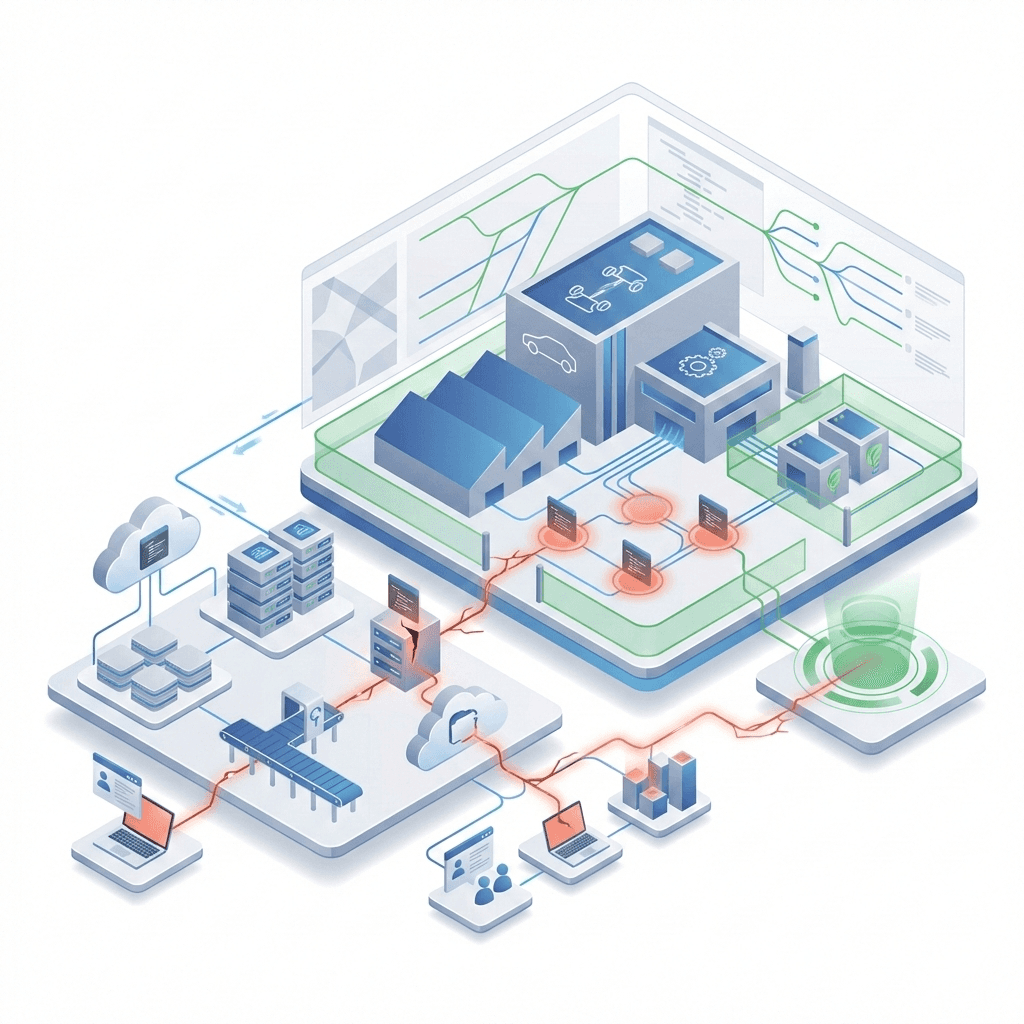
Laut öffentlicher Offenlegungen entstand der Vorfall durch einen unbefugten Zugang zu einer von Beratern verwalteten GitLab-Umgebung, die zur Entwicklung eines Kundenverwaltungssystems genutzt wurde. Auch wenn die Umgebung nicht die Produktionssysteme von Nissan hostete, enthielt sie Entwicklungsartefakte und kundenbezogene Beispieldaten wie Namen, Adressen, Telefonnummern, teilweise E-Mail-Adressen und verkaufsbezogene Informationen.
Die Exponierung wurde Ende September 2025 entdeckt und Anfang Oktober an Nissan gemeldet. Nissan meldete den Vorfall daraufhin der japanischen Kommission für den Schutz personenbezogener Daten und begann, betroffene Kunden zu benachrichtigen. Das Unternehmen erklärte, dass keine finanziellen Daten oder Kartenzahlungsdaten in der betroffenen Umgebung gespeichert wurden.
Übersicht über den Vorfall
Laut öffentlicher Offenlegungen entstand der Vorfall durch einen unbefugten Zugang zu einer von Beratern verwalteten GitLab-Umgebung, die zur Entwicklung eines Kundenverwaltungssystems genutzt wurde. Auch wenn die Umgebung nicht die Produktionssysteme von Nissan hostete, enthielt sie Entwicklungsartefakte und kundenbezogene Beispieldaten wie Namen, Adressen, Telefonnummern, teilweise E-Mail-Adressen und verkaufsbezogene Informationen.
Die Exponierung wurde Ende September 2025 entdeckt und Anfang Oktober an Nissan gemeldet. Nissan meldete den Vorfall daraufhin der japanischen Kommission für den Schutz personenbezogener Daten und begann, betroffene Kunden zu benachrichtigen. Das Unternehmen erklärte, dass keine finanziellen Daten oder Kartenzahlungsdaten in der betroffenen Umgebung gespeichert wurden.
Warum dieses Angebot wichtig ist
Das BrightDefense-Feature betont eine kritische Cybersicherheitsrealität: Organisationen können einer realen Datenexposition ausgesetzt sein, ohne selbst direkt verletzt zu werden. Da Unternehmen zunehmend auf externe Berater und cloud-basierte Entwicklungsplattformen angewiesen sind, sind Entwicklungsumgebungen zu wertvollen Zielen für Angreifer geworden, die Zugriff auf sensible Informationen im großen Maßstab suchen.
Shieldworkz hat hervorgehoben, dass selbst begrenzte Datensätze - wie Kontaktdaten und Aufzeichnungen über Kundeninteraktionen - für Phishing-, Identitätsdiebstahl- und Social-Engineering-Kampagnen genutzt werden können. In Kombination mit Daten aus anderen Verstöße, kann solche Informationen das Risiko für betroffene Personen erheblich erhöhen.
Sichtweise von Shieldworkz
Shieldworkz stellte fest, dass Vorfälle wie der Datenvorfall bei Nissan die Notwendigkeit für Organisationen aufzeigen, Entwicklungs- und Kollaborationsumgebungen als kritische Assets zu behandeln, nicht als sekundäre Systeme. Sicherheitsmaßnahmen, Überwachung und Zugangsverwaltung müssen über die Produktionsinfrastruktur hinausgehen, um auch Quellcode-Repositories, CI/CD-Pipelines und Drittanbieterplattformen einzuschließen.
„Lieferkettenangriffe enden selten mit der ersten Bekanntgabe“, erklärten Shieldworkz-Analysten. „Das eigentliche Risiko tritt im Laufe der Zeit auf, wenn die offengelegten Daten wiederverwendet, korreliert oder in nachfolgenden Kampagnen ausgenutzt werden. Organisationen müssen davon ausgehen, dass jede geleakte Entwicklungsressource in zukünftigen Angriffen wieder auftauchen könnte.“
Die Abdeckung von BrightDefense steht im Einklang mit der breiteren Sichtweise von Shieldworkz, dass moderne Cyber-Sicherheitsprogramme das übernommene Risiko berücksichtigen und kontinuierlich die Sicherheitslage von Anbietern und Beratern validieren müssen.
Wichtige Erkenntnisse, die in der Berichterstattung hervorgehoben werden
Entwicklungsumgebungen von Drittanbietern erweitern die Angriffsfläche. Von Beratern verwaltete Repositories und Build-Systeme enthalten oft reale oder realistische Kundendaten, was sie zu attraktiven Zielen für Cyberkriminelle macht.
Lieferkettenverletzungen können viele Organisationen gleichzeitig betreffen. Ein einzelner Kompromiss innerhalb einer geteilten Plattform kann sich auf mehrere Kunden ausbreiten und sowohl betriebliche als auch Reputationsauswirkungen verstärken.
Nicht-finanzielle Daten bergen immer noch bedeutende Risiken. Namen, Adressen und Telefonnummern reichen aus, um gezielte Betrugsmaschen, betrügerische Kommunikationen und identitätsbasierte Angriffe zu ermöglichen.
Einblicke in Entwicklungs-Workflows schaffen langfristige Exposition. Zugriff auf Repositories und Projektdokumentation kann Gegnern Einblick in die Gestaltung, Wartung und Sicherung von Systemen geben.
Warum dieses Angebot wichtig ist
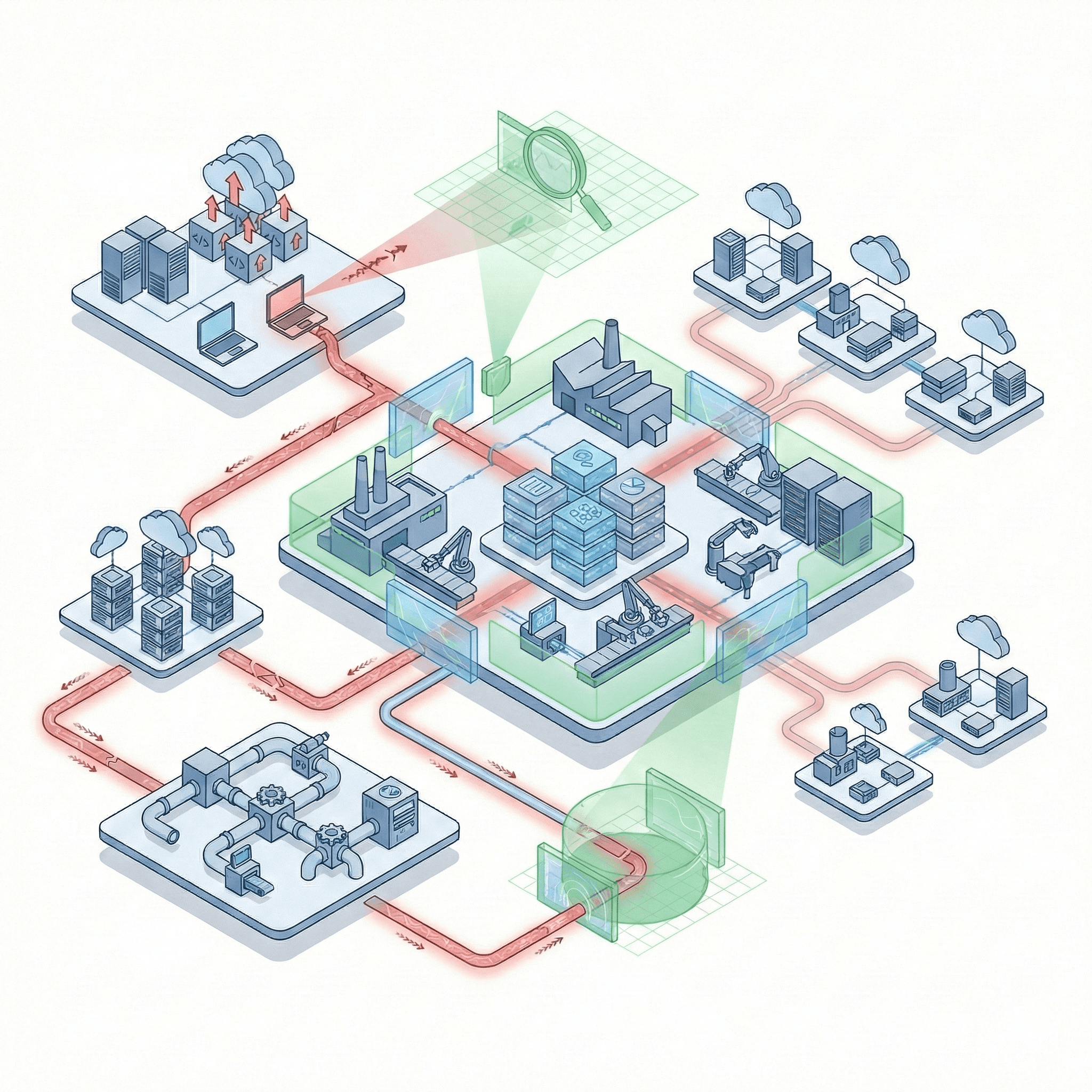
Das BrightDefense-Feature betont eine kritische Cybersicherheitsrealität: Organisationen können einer realen Datenexposition ausgesetzt sein, ohne selbst direkt verletzt zu werden. Da Unternehmen zunehmend auf externe Berater und cloud-basierte Entwicklungsplattformen angewiesen sind, sind Entwicklungsumgebungen zu wertvollen Zielen für Angreifer geworden, die Zugriff auf sensible Informationen im großen Maßstab suchen.
Shieldworkz hat hervorgehoben, dass selbst begrenzte Datensätze - wie Kontaktdaten und Aufzeichnungen über Kundeninteraktionen - für Phishing-, Identitätsdiebstahl- und Social-Engineering-Kampagnen genutzt werden können. In Kombination mit Daten aus anderen Verstöße, kann solche Informationen das Risiko für betroffene Personen erheblich erhöhen.
Sichtweise von Shieldworkz
Shieldworkz stellte fest, dass Vorfälle wie der Datenvorfall bei Nissan die Notwendigkeit für Organisationen aufzeigen, Entwicklungs- und Kollaborationsumgebungen als kritische Assets zu behandeln, nicht als sekundäre Systeme. Sicherheitsmaßnahmen, Überwachung und Zugangsverwaltung müssen über die Produktionsinfrastruktur hinausgehen, um auch Quellcode-Repositories, CI/CD-Pipelines und Drittanbieterplattformen einzuschließen.
„Lieferkettenangriffe enden selten mit der ersten Bekanntgabe“, erklärten Shieldworkz-Analysten. „Das eigentliche Risiko tritt im Laufe der Zeit auf, wenn die offengelegten Daten wiederverwendet, korreliert oder in nachfolgenden Kampagnen ausgenutzt werden. Organisationen müssen davon ausgehen, dass jede geleakte Entwicklungsressource in zukünftigen Angriffen wieder auftauchen könnte.“
Die Abdeckung von BrightDefense steht im Einklang mit der breiteren Sichtweise von Shieldworkz, dass moderne Cyber-Sicherheitsprogramme das übernommene Risiko berücksichtigen und kontinuierlich die Sicherheitslage von Anbietern und Beratern validieren müssen.
Wichtige Erkenntnisse, die in der Berichterstattung hervorgehoben werden
Entwicklungsumgebungen von Drittanbietern erweitern die Angriffsfläche. Von Beratern verwaltete Repositories und Build-Systeme enthalten oft reale oder realistische Kundendaten, was sie zu attraktiven Zielen für Cyberkriminelle macht.
Lieferkettenverletzungen können viele Organisationen gleichzeitig betreffen. Ein einzelner Kompromiss innerhalb einer geteilten Plattform kann sich auf mehrere Kunden ausbreiten und sowohl betriebliche als auch Reputationsauswirkungen verstärken.
Nicht-finanzielle Daten bergen immer noch bedeutende Risiken. Namen, Adressen und Telefonnummern reichen aus, um gezielte Betrugsmaschen, betrügerische Kommunikationen und identitätsbasierte Angriffe zu ermöglichen.
Einblicke in Entwicklungs-Workflows schaffen langfristige Exposition. Zugriff auf Repositories und Projektdokumentation kann Gegnern Einblick in die Gestaltung, Wartung und Sicherung von Systemen geben.

Über Shieldworkz
Shieldworkz ist ein globales Cyber-Sicherheitsunternehmen, das sich auf OT, IoT, cyber-physische Systeme und komplexe Unternehmensumgebungen spezialisiert hat. Wir unterstützen Unternehmen dabei, versteckte Risiken in Lieferketten zu identifizieren, Entwicklungs- und Betriebsökosysteme zu sichern und effektiv auf moderne Cyber-Bedrohungen zu reagieren.
Über Shieldworkz
Shieldworkz ist ein globales Cyber-Sicherheitsunternehmen, das sich auf OT, IoT, cyber-physische Systeme und komplexe Unternehmensumgebungen spezialisiert hat. Wir unterstützen Unternehmen dabei, versteckte Risiken in Lieferketten zu identifizieren, Entwicklungs- und Betriebsökosysteme zu sichern und effektiv auf moderne Cyber-Bedrohungen zu reagieren.
Besuchen Sie unsere Website: https://shieldworkz.com
Für Presseanfragen und Experteninterviews kontaktieren Sie bitte: info@shieldworkz.com
Seien Sie den Bedrohungen von morgen voraus mit Shieldworkz, Ihrem Partner für proaktive OT-Cybersicherheit.
Erfahren Sie mehr & Ressourcen
Besuchen Sie unsere Website: https://shieldworkz.com
Für Presseanfragen und Experteninterviews kontaktieren Sie bitte: info@shieldworkz.com
Seien Sie den Bedrohungen von morgen voraus mit Shieldworkz, Ihrem Partner für proaktive OT-Cybersicherheit.
Erfahren Sie mehr & Ressourcen
Lies den Nachrichtenartikel