Remediation Guide
RAILWAY CYBERSECURITY
Security Gap Remediation Checklist
From Railway Cybersecurity Findings to Actionable Risk Reduction
Railway cybersecurity is no longer a side topic tucked inside general IT policy. It is part of how modern rail systems protect safety, availability, and operational continuity across signalling, rolling stock, fixed installations, and connected maintenance environments. CLC/TS 50701:2023 is designed to help the rail sector translate cybersecurity into the same lifecycle thinking already used in rail engineering, while ENISA continues to flag transport cybersecurity as an active risk area and NIS2 keeps cybersecurity governance in focus for essential services.
This Shieldworkz guide is built for the people who have to make cybersecurity work in the real world: infrastructure managers, railway undertakings, system integrators, product suppliers, and assurance teams. It is written to help close gaps across the full EN 50126-1 lifecycle, from concept and design through operation, maintenance, and decommissioning.
Why this Remediation Guide matters
TS 50701 is valuable because it treats railway cybersecurity as a structured engineering discipline, not a one-time checklist. It links cybersecurity to safety, introduces zone and conduit thinking, and makes the cybersecurity case part of the assurance story. That matters because railway systems are long-lived, highly interconnected, and often mixed with legacy technology that cannot be secured in the same way as modern enterprise IT.
The guide helps teams bring order to that complexity. It shows how to define the system under consideration, assign target security levels, document SecRACs, and manage residual risk without losing sight of the operational realities of rail. It also reflects the areas most often found weak in assessments: governance, risk assessment, segmentation, legacy system control, supply chain security, and the cybersecurity case itself.
Why It Is Important to Download This Remediation Guide
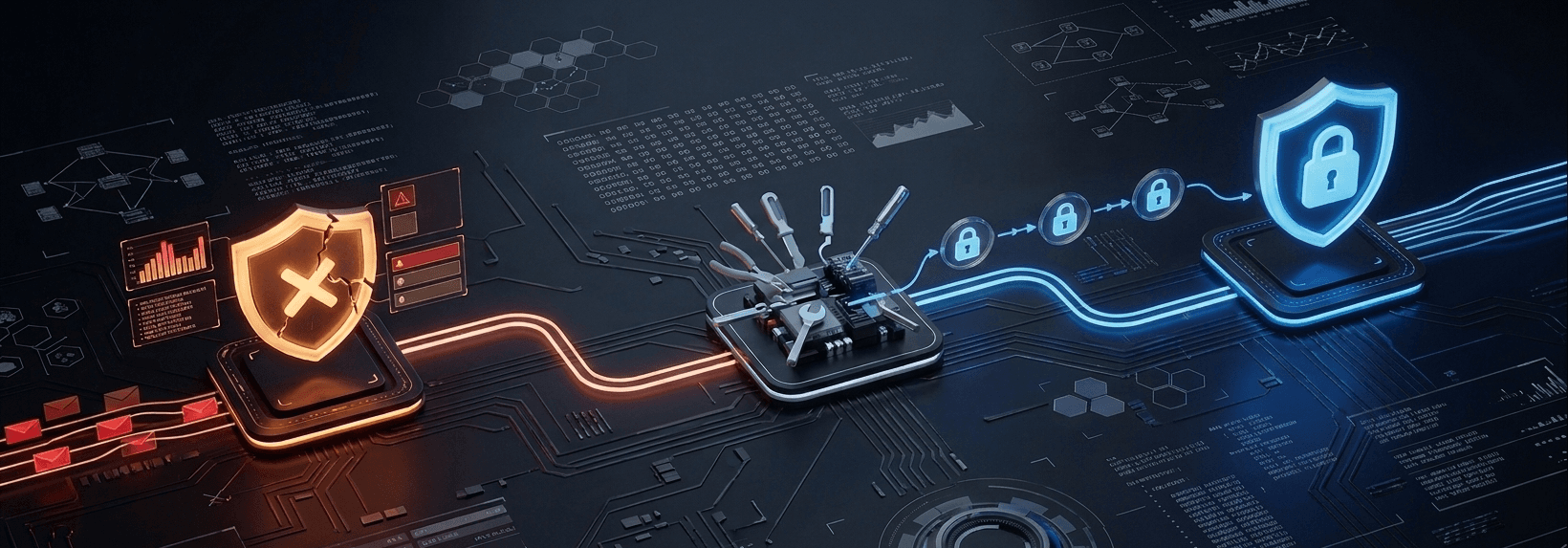
Turning assessment findings into real-world action is often where railway cybersecurity programs slow down. This guide helps bridge that gap by bringing clarity, structure, and direction to remediation efforts across complex OT environments.
Provides a clear path from identified gaps to practical, prioritized remediation actions
Helps teams align across operations, cybersecurity, engineering, and leadership without confusion
Breaks down TS 50701 requirements into actionable steps instead of abstract controls
Enables better decision-making by separating urgent risks from those that can be planned or accepted
Supports audit readiness with a strong focus on documentation, evidence, and traceability
Addresses real-world constraints like legacy systems, uptime requirements, and technical limitations
Introduces a structured approach to managing and documenting residual risk
This makes it easier for organizations to move forward with confidence, knowing that remediation efforts are aligned with both operational realities and cybersecurity expectations.
Key Takeaways from the Guide
Railway cybersecurity maturity is built in layers. The strongest programs do not rely on one control or one team. They connect policy, engineering, operations, maintenance, supplier management, and incident response into one living security model. That approach reflects how TS 50701 is structured and why it is helpful for rail practitioners who need clear lifecycle guidance.
Governance comes first. A clear CSMS policy, defined roles, and visible leadership commitment are the foundation for every other control.
Risk assessment should drive the target security level. SL-T is not something to guess; it is the output of a structured assessment across zones, conduits, and threats.
Safety and cybersecurity must connect. SecRACs bridge cybersecurity conditions into the Safety Case, which is one of the most important parts of the railway assurance model.
Segmentation matters more than ever. Clear boundaries between safety-critical zones, operational zones, passenger-facing systems, and business IT reduce blast radius.
Remote access should never be casual. Rail environments need controlled access zones, MFA, session recording, and just-in-time access rather than standing vendor tunnels.
Legacy systems need honest treatment. Not every old system can reach modern security levels, but every gap still needs compensating controls, documented residual risk, and duty-holder acceptance.
FRMCS migration introduces new exposure. The shift from GSM-R to FRMCS expands the attack surface and deserves a dedicated migration risk assessment, not an afterthought.
How Shieldworkz supports railway cybersecurity teams
Shieldworkz helps rail organizations convert standards into working security improvements. The aim is simple: reduce risk, improve control, and make compliance more defensible across the full rail technology stack. The guide is shaped around practical outputs that decision makers can use, review, and evidence.
Railway OT asset visibility to help build a clearer picture of systems, interfaces, and dependencies across the SuC.
Security architecture support for zoning, conduits, and segmentation across signalling, rolling stock, and fixed installations.
Risk assessment and residual risk structure to help teams document what is closed, what remains open, and how it is being controlled.
Supply chain security planning for suppliers, system integrators, software, firmware, and remote maintenance workflows.
Incident response and recovery readiness so rail teams can prepare for cyber events without improvising under pressure.
Cybersecurity case support to help connect technical controls, operational conditions, and safety-related conditions in one coherent assurance story.
Take the next step toward stronger Railway Cybersecurity
If your organization is working through railway cybersecurity requirements, the best time to build a more structured remediation process is before the next audit, upgrade, or incident. This guide helps you move from findings to action with more clarity and less guesswork.
Fill the form to download the Remediation Guide and book free consultation with our experts.
Download your copy today!
Get our free RAILWAY CYBERSECURITY - Security Gap Remediation Checklist and make sure you’re covering every critical control in your industrial network