Shieldworkz Featured in CiberLATAM
Shieldworkz Featured by CiberLATAM for Threat Intelligence on Iranian-Linked OT/ICS Campaigns Across Latin America
Shieldworkz has been featured by CiberLATAM in a report examining mounting pressure on Operational Technology (OT) and Industrial Control Systems (ICS) across Latin America's water, energy, and manufacturing sectors. The coverage draws on Shieldworkz's technical threat analysis alongside research from the Inter-American Development Bank (IDB) and Cryptonomist, painting a detailed picture of a region where industrial exposure is converging with an increasingly aggressive threat landscape.
The report centers on Shieldworkz's findings regarding Iranian-linked actors actively exploiting exposed PLCs, HMIs, SCADA systems, and remote field communications across water and wastewater, energy, government, health care, and manufacturing environments, sectors where the line between digital compromise and physical consequence has never been thinner.
Shieldworkz Featured by CiberLATAM for Threat Intelligence on Iranian-Linked OT/ICS Campaigns Across Latin America
Shieldworkz has been featured by CiberLATAM in a report examining mounting pressure on Operational Technology (OT) and Industrial Control Systems (ICS) across Latin America's water, energy, and manufacturing sectors. The coverage draws on Shieldworkz's technical threat analysis alongside research from the Inter-American Development Bank (IDB) and Cryptonomist, painting a detailed picture of a region where industrial exposure is converging with an increasingly aggressive threat landscape.
The report centers on Shieldworkz's findings regarding Iranian-linked actors actively exploiting exposed PLCs, HMIs, SCADA systems, and remote field communications across water and wastewater, energy, government, health care, and manufacturing environments, sectors where the line between digital compromise and physical consequence has never been thinner.

Why this coverage matters
CiberLATAM's analysis highlights Shieldworkz's technical assessment of Iranian campaigns targeting OT/ICS infrastructure, identifying a consistent pattern: adversaries locating and exploiting industrial assets left exposed to the public internet. The report's guidance is direct and actionable:
Eliminate any direct exposure of PLCs, RTUs, and HMIs to public networks
Routinely audit IP ranges using tools such as Shodan and Censys to confirm exposure has been closed
Verify that OT-specific ports remain closed to external access, including 44818, 502, 102, 2222, 20256, and 22
The coverage also draws on Shieldworkz's Americas OT/ICS & SCADA Cybersecurity report, which documents a broader rise in incidents across manufacturing, energy, oil and gas, transportation, and water utilities. Its key findings include:
Prepositioning activity within North American energy, water, and telecommunications environments, attributed to groups including Volt Typhoon, Sandworm, and actors linked to the IRGC
A maturing Ransomware-as-a-Service model now deploying operators with genuine fluency in PLC logic and SCADA architecture
Critical legacy exposure involving Modbus, DNP3, and BACnet ports left without authentication
The United States identified as the country with the largest number of internet-accessible ICS ports globally
Why this coverage matters
CiberLATAM's analysis highlights Shieldworkz's technical assessment of Iranian campaigns targeting OT/ICS infrastructure, identifying a consistent pattern: adversaries locating and exploiting industrial assets left exposed to the public internet. The report's guidance is direct and actionable:
Eliminate any direct exposure of PLCs, RTUs, and HMIs to public networks
Routinely audit IP ranges using tools such as Shodan and Censys to confirm exposure has been closed
Verify that OT-specific ports remain closed to external access, including 44818, 502, 102, 2222, 20256, and 22
The coverage also draws on Shieldworkz's Americas OT/ICS & SCADA Cybersecurity report, which documents a broader rise in incidents across manufacturing, energy, oil and gas, transportation, and water utilities. Its key findings include:
Prepositioning activity within North American energy, water, and telecommunications environments, attributed to groups including Volt Typhoon, Sandworm, and actors linked to the IRGC
A maturing Ransomware-as-a-Service model now deploying operators with genuine fluency in PLC logic and SCADA architecture
Critical legacy exposure involving Modbus, DNP3, and BACnet ports left without authentication
The United States identified as the country with the largest number of internet-accessible ICS ports globally
Shieldworkz perspective
At Shieldworkz, we view threat intelligence as only as valuable as the action it enables. Understanding how state-linked actors are prepositioning within critical infrastructure and which ports, protocols, and legacy systems they are exploiting to get there, gives asset owners a concrete starting point for closing exposure before it becomes an incident.
Latin America's industrial sectors are digitalizing rapidly, and that momentum is a genuine asset. But it also means OT risk management can no longer sit apart from board-level governance. Closing internet-facing exposure, pairing prevention with OT-native detection, and building the organizational accountability the IDB's guide calls for are not separate initiatives, they are components of the same resilience strategy.
Why This Recognition Matters
CiberLATAM's feature situates Shieldworkz's threat intelligence within a wider regional reckoning. As Dragos research cited in the coverage makes clear, AI-assisted attacks are compressing the window between an initial IT compromise and an attempted intrusion into OT environments, a shift that renders prevention-only defenses insufficient on their own. The recommended posture:
Pairs firewalls, segmentation, and patching with OT-specific visibility and detection for internal control traffic
Aligns with SANS's Five Critical Controls for ICS
The report also incorporates governance and risk perspectives shaping the region's response:
IDB's board-level guide on OT cyber risk calls on boards to adopt cyber-physical risk metrics, model operational disruption scenarios, and assign clear accountability for ICS security as digitalization accelerates
NextGuard Insurance's technical note flags that a single compromise of OT systems governing cooling, power, humidity, and fire suppression at data centers could cascade into cyber-physical impact affecting hundreds of companies at once
Regional cyber insurance policies are increasingly expected to include explicit coverage for OT/ICS attacks
Key takeaways from the coverage
Iranian-linked actors are actively exploiting exposed PLCs, HMIs, SCADA systems, and remote field communications across Latin America's critical sectors.
Removing direct internet exposure of PLCs, RTUs, and HMIs remains a foundational defensive step.
Prepositioning by groups including Volt Typhoon and Sandworm underscores sustained interest in North American energy, water, and telecom OT.
AI-assisted attacks are shrinking the gap between IT compromise and OT intrusion, demanding detection capability alongside prevention.
Board-level governance, informed by frameworks like the IDB's regional guide, is becoming essential to managing cyber-physical risk.
The human factor remains a leading cause of security incidents, reinforcing the importance of workforce awareness alongside technical controls.
Shieldworkz perspective
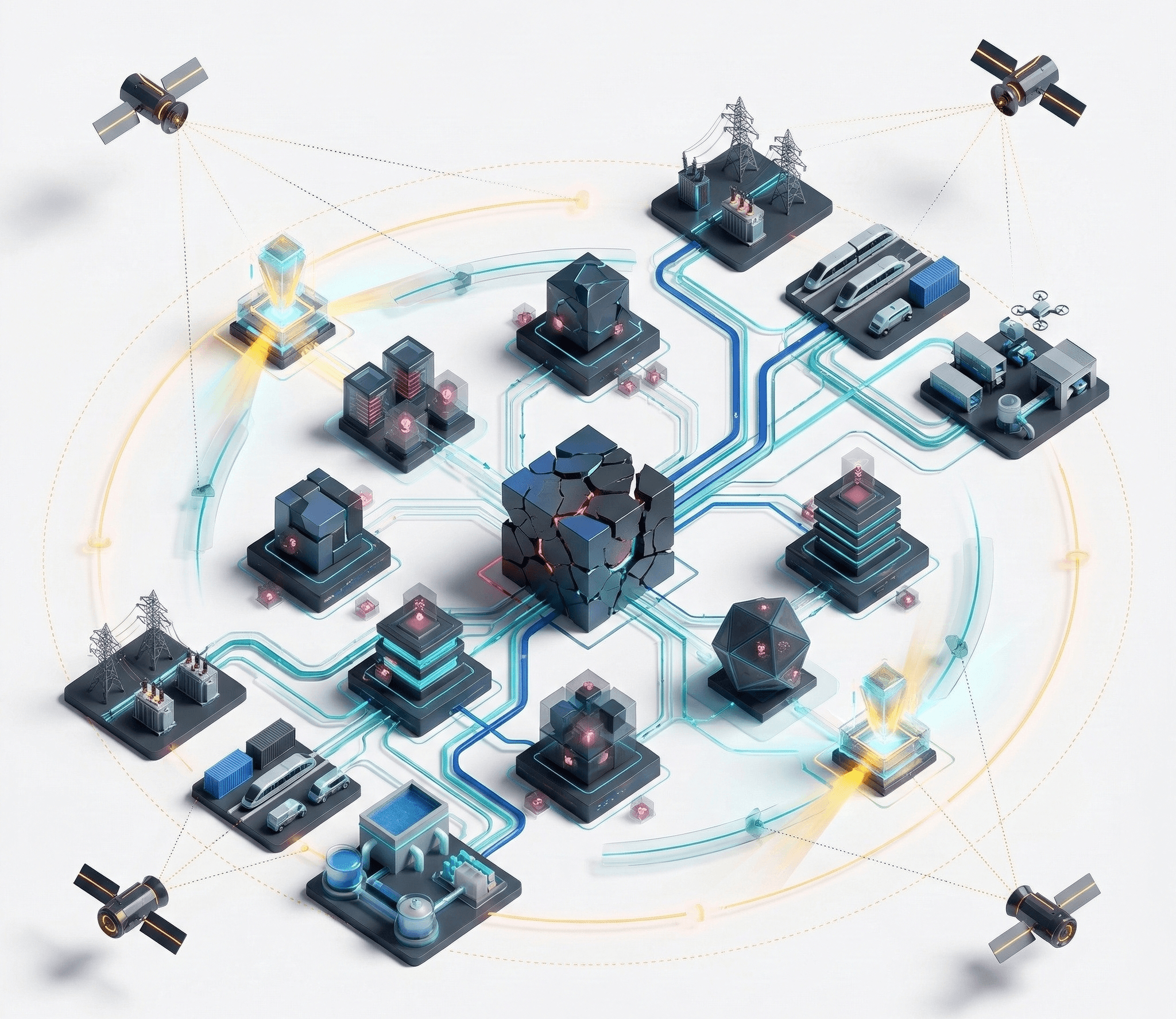
At Shieldworkz, we view threat intelligence as only as valuable as the action it enables. Understanding how state-linked actors are prepositioning within critical infrastructure and which ports, protocols, and legacy systems they are exploiting to get there, gives asset owners a concrete starting point for closing exposure before it becomes an incident.
Latin America's industrial sectors are digitalizing rapidly, and that momentum is a genuine asset. But it also means OT risk management can no longer sit apart from board-level governance. Closing internet-facing exposure, pairing prevention with OT-native detection, and building the organizational accountability the IDB's guide calls for are not separate initiatives, they are components of the same resilience strategy.
Why This Recognition Matters
CiberLATAM's feature situates Shieldworkz's threat intelligence within a wider regional reckoning. As Dragos research cited in the coverage makes clear, AI-assisted attacks are compressing the window between an initial IT compromise and an attempted intrusion into OT environments, a shift that renders prevention-only defenses insufficient on their own. The recommended posture:
Pairs firewalls, segmentation, and patching with OT-specific visibility and detection for internal control traffic
Aligns with SANS's Five Critical Controls for ICS
The report also incorporates governance and risk perspectives shaping the region's response:
IDB's board-level guide on OT cyber risk calls on boards to adopt cyber-physical risk metrics, model operational disruption scenarios, and assign clear accountability for ICS security as digitalization accelerates
NextGuard Insurance's technical note flags that a single compromise of OT systems governing cooling, power, humidity, and fire suppression at data centers could cascade into cyber-physical impact affecting hundreds of companies at once
Regional cyber insurance policies are increasingly expected to include explicit coverage for OT/ICS attacks
Key takeaways from the coverage
Iranian-linked actors are actively exploiting exposed PLCs, HMIs, SCADA systems, and remote field communications across Latin America's critical sectors.
Removing direct internet exposure of PLCs, RTUs, and HMIs remains a foundational defensive step.
Prepositioning by groups including Volt Typhoon and Sandworm underscores sustained interest in North American energy, water, and telecom OT.
AI-assisted attacks are shrinking the gap between IT compromise and OT intrusion, demanding detection capability alongside prevention.
Board-level governance, informed by frameworks like the IDB's regional guide, is becoming essential to managing cyber-physical risk.
The human factor remains a leading cause of security incidents, reinforcing the importance of workforce awareness alongside technical controls.

About Shieldworkz
Shieldworkz helps organisations secure Operational Technology (OT), IoT and Cyber-Physical Systems (CPS) across industrial and national infrastructure. Our threat research team blends sector-aware telemetry, hunt-driven detection, and hands-on incident response to find hidden exposure and build resilient recovery paths.
About Shieldworkz
Shieldworkz helps organisations secure Operational Technology (OT), IoT and Cyber-Physical Systems (CPS) across industrial and national infrastructure. Our threat research team blends sector-aware telemetry, hunt-driven detection, and hands-on incident response to find hidden exposure and build resilient recovery paths.
Visit our website: https://shieldworkz.com
For press inquiries and expert interviews, contact: info@shieldworkz.com
Stay ahead of tomorrow’s threats with Shieldworkz, your partner in proactive OT cybersecurity.
Learn More & Resources
Visit our website: https://shieldworkz.com
For press inquiries and expert interviews, contact: info@shieldworkz.com
Stay ahead of tomorrow’s threats with Shieldworkz, your partner in proactive OT cybersecurity.
Learn More & Resources
Read the news article