كيف تعمل الأنظمة السيبرانية الفيزيائية على تمكين المصانع الذكية

فريق شيلدوركز
كيف تعمل الأنظمة السيبرانية الفيزيائية على تمكين المصانع الذكية ولماذا يعتبر تأمينها أمراً غير قابل للتفاوض
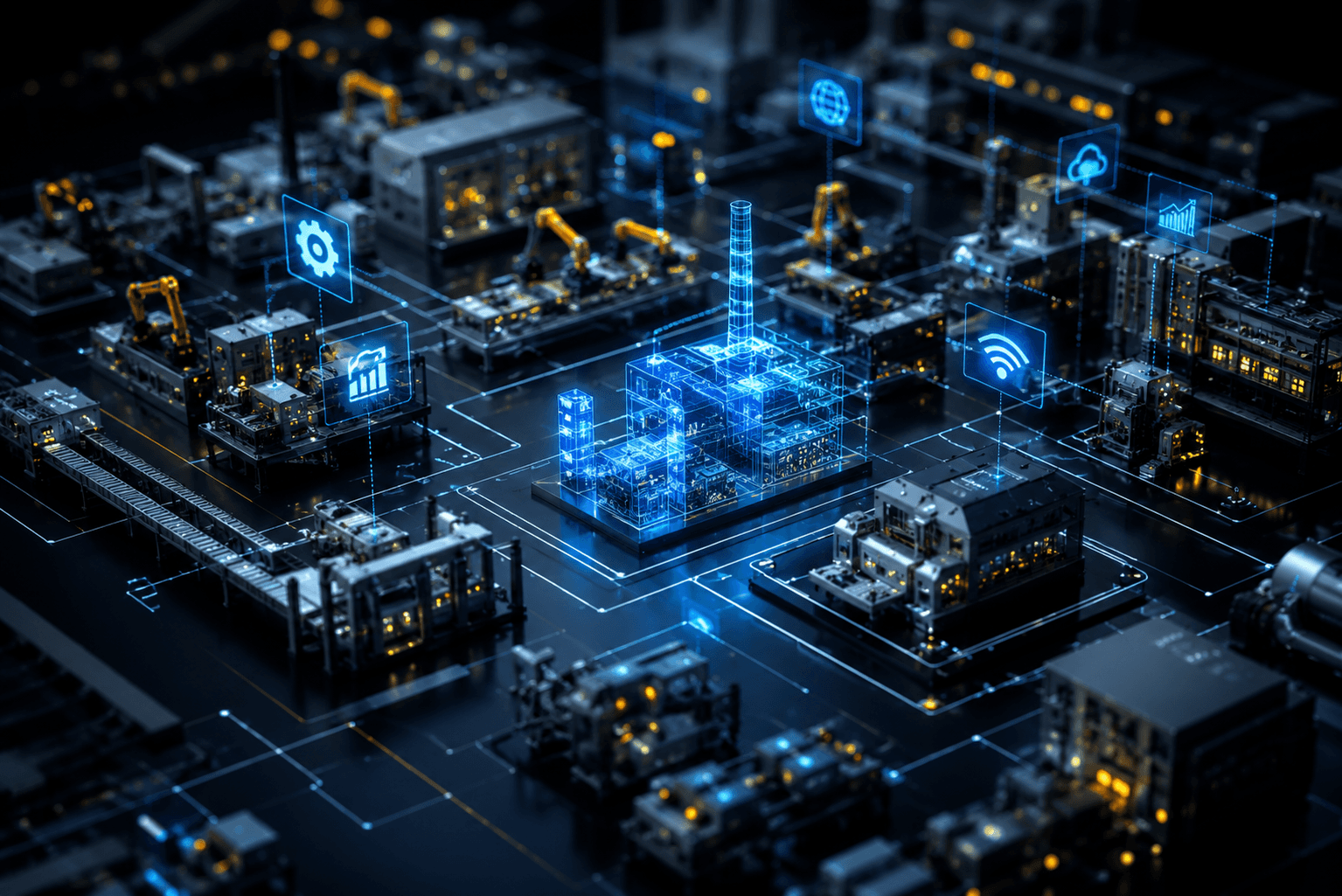
لقد تجاوز التصنيع الذكي عتبة حرجة. لم تعد أرضيات المصانع اليوم مجرد أنظمة معزولة من الآلات والإشراف اليدوي، بل أصبحت أنظمة بيئية ديناميكية ومترابطة يقود فيها الذكاء الرقمي كل مخرج مادي. وفي قلب هذا التحول تكمن الأنظمة السيبرانية الفيزيائية (CPS): وهي البنية المتكاملة التي تدمج قوة الحوسبة مع العمليات الصناعية في العالم الحقيقي.
بالنسبة لقادة أمن تكنولوجيا العمليات التشغيلية (OT)، ومديري أمن المعلومات (CISOs)، ومديري المصانع، ومهندسي أنظمة التحكم الصناعي (ICS)، لم يعد فهم الأنظمة السيبرانية الفيزيائية مجرد فضول تقني. بل أصبح متطلباً استراتيجياً، لأن الاتصال نفسه الذي يدفع التميز التشغيلي يؤدي أيضاً إلى توسيع مساحة الهجوم الصناعي وتوسيع نطاق التهديدات بمعدل غير مسبوق.
قبل أن نمضي قدماً، لا تنسَ الاطلاع على منشور مدونتنا السابق حول "كيف تعطل هجمات برامج الفدية الأنظمة الصناعية" هنا.
ما هي الأنظمة السيبرانية الفيزيائية (CPS)؟
الأنظمة السيبرانية الفيزيائية هي بيئات متكاملة تقوم فيها البرمجيات القائمة على الحوسبة بمراقبة العمليات الفيزيائية والتحكم فيها وتحسينها مباشرة وفي الوقت الفعلي. وعلى عكس الأتمتة التقليدية، تخلق هذه الأنظمة حلقة تغذية راجعة مستمرة بين العالمين الرقمي والفيزيائي، مما يمكن الآلات من الاستشعار، واتخاذ القرار، والعمل بشكل مستقل.
في المصانع الذكية، تجمع الأنظمة السيبرانية الفيزيائية بين ست طبقات مترابطة:
مكون النظام السيبراني الفيزيائي (CPS) | الوظيفة الأساسية | مثال صناعي |
أجهزة التحكم المنطقي القابلة للبرمجة (PLCs) | تنفيذ منطق التحكم في الوقت الفعلي للآلات والعمليات | التحكم في السيور الناقلة، تسلسل المضخات، تشغيل الأذرع الروبوتية |
أنظمة الإشراف والتحكم واكتساب البيانات (SCADA) | الإشراف المركزي، واكتساب البيانات، وتحكم المشغل | مراقبة خطوط أنابيب النفط، إدارة محطات التحويل الكهربائية، معالجة المياه |
واجهة المستخدم والآلة (HMI) | واجهة المشغل لتصور العمليات المباشرة والتحكم فيها | لوحات معلومات الشاشات التي تعمل باللمس في أرضيات المصانع وغرف التحكم |
مستشعرات ومشغلات إنترنت الأشياء الصناعي (IIoT) | جمع البيانات الفيزيائية؛ وتنفيذ الأوامر الرقمية في الميدان | مسبار درجة الحرارة، محولات الضغط، الصمامات الآلية |
شبكات الاتصالات الصناعية | نقل البيانات بين الأجهرة الميدانية وأنظمة التحكم | Modbus TCP, PROFINET, EtherNet/IP, DNP3, OPC-UA |
طبقات حوسبة الحافة والسحابية | معالجة وتخزين وتحليل البيانات التشغيلية على نطاق واسع | خوادم حفظ السجلات التاريخية (Historian)، التحليلات القائمة على السحابة، منصات التوائم الرقمية |
تتواصل كل طبقة بشكل مستمر. والنتيجة هي بيئة إنتاج ذاتية التحسين تتفاعل بشكل أسرع من أي مشغل بشري، وتعمل على مدار الساعة، وتولد معلومات قابلة للتطبيق من كل نقطة عملية.
ما هو جهاز التحكم المنطقي القابل للبرمجة (PLC)؟ جوهر الذكاء في الأنظمة السيبرانية الفيزيائية
جهاز التحكم المنطقي القابل للبرمجة (PLC) هو جهاز كمبيوتر متين ومصمم للاستخدام الصناعي لتنفيذ منطق التحكم في الوقت الفعلي للمعدات والعمليات المؤتمتة. بعد إدخاله لاستبدال لوحات الأسلاك المعقدة القائمة على المرحلات، تطورت أجهزة PLC الحديثة لتصبح مراكز ذكاء متصلة بالشبكة ومولدة للبيانات في قلب أي بنية للأنظمة السيبرانية الفيزيائية.
تقوم أجهزة PLC بمسح المدخلات من المستشعرات الميدانية، وتنفيذ برامج التحكم في أجزاء من الثانية، وتحفيز المخرجات للمشغلات، والمحركات، وأنظمة السلامة. وهي السبب وراء معرفة الذراع الروبوتية بموعد اللحام، ومعرفة المضخة بموعد البدء، ومعرفة خط التعبئة والتغليف بموعد التوقف.
يوضح الجدول أدناه كيف تختلف أجهزة PLC الحديثة عن أنظمة التحكم القديمة عبر سبعة أبعاد تشغيلية بالغة الأهمية:
عامل المقارنة | أنظمة التحكم التقليدية | أجهزة PLC الحديثة في الأنظمة السيبرانية الفيزيائية |
البرمجة | منطق المرحل الموصَّل سلكياً يتطلب إعادة توصيل فيزيائية لأي تغيير | منطق المخطط السلمي/المخطط الوظيفي المهيأ برمجياً - إعادة برمجة فورية |
الاتصال | بروتوكولات حصرية ومعزولة وتعتمد على الاتصال التسلسلي فقط | تم تمكين الإيثرنت بها: Modbus TCP, EtherNet/IP, OPC-UA, PROFINET |
التشخيص | تتبع يدوي للأعطال باستخدام أجهزة القياس المتعددة والمخططات | تسجيل مدمج للأعطال في الوقت الفعلي، وإدارة الإنذارات، والتشخيص عن بُعد |
قابليته للتوسع | توسيع الأجهزة مكلف ويستغرق وقتاً طويلاً ويؤدي إلى حدوث انقطاعات تشغيلية | إضافة بطاقات الإدخال/الإخراج المعيارية بأقل تكلفة ودون أي وقت توقف |
التعرض للأمن السيبراني | معزولة مادياً (فجوة هوائية) مما يحد من مساحة الهجوم بموجب التصميم | متصلة بالشبكة، وتعتبر ضوابط الأمن النشطة فيها إلزامية |
القدرة على التكامل | تشغيل مستقل فردي فقط | تكامل أصيل مع أنظمة SCADA وMES وERP والتحليلات السحابية |
نموذج الصيانة | إصلاح تفاعلي بعد حدوث العطل | خدمة وقائية قائمة على البيانات قبل حدوث العطل |
دور الأنظمة السيبرانية الفيزيائية (CPS) في الأتمتة الصناعية
تمثل الأنظمة السيبرانية الفيزيائية في الأتمتة الصناعية تحولاً أساسياً من العمليات التفاعلية التي تدار يدوياً إلى بيئات إنتاج استباقية قائمة على البيانات. وتشهد المؤسسات التي قامت بنشر الأنظمة السيبرانية الفيزيائية مكاسب ملموسة عبر عدة أبعاد:
1. التحكم في العمليات في الوقت الفعلي
تمكن بيئات الأنظمة السيبرانية الفيزيائية من الاستجابة بمستوى أجزاء من الثانية. فعند الكشف عن انحراف في درجة الحرارة في مفاعل كيميائي، يمكن للنظام تعديل معلمات التبريد ذاتياً حتى قبل أن يتلقى المشغل البشري التنبيه. يقلل هذا المستوى من الدقة من الهدر ويحسن جودة المنتج ويمنع تعطل المعدات.
2. الصيانة التنبؤية وتقليل وقت التوقف عن العمل
من خلال التحليل المستمر لبيانات الاهتزاز، والمؤشرات الحرارية، ومقاييس الحمل التشغيلي، يمكن لمنصات الأنظمة السيبرانية الفيزيائية التنبؤ بتدهور المعدات قبل أسابيع من حدوثه. ويتم إرسال فرق الصيانة بشكل استباقي، وليس كاستجابة للأعطال، مما يقلل بشكل كبير من أوقات التوقف غير المخطط لها ويطيل عمر الأصول.
3. تحسين استهلاك الطاقة
تستطيع المصانع الذكية المدعومة بالأنظمة السيبرانية الفيزيائية موازنة استهلاك الطاقة ديناميكياً عبر خطوط الإنتاج، مما يقلل من تكاليف المرافق، ويلبي أهداف الاستدامة، ويوائم العمليات مع فترات أسعار ذروة الطلب.
4. جدولة الإنتاج التكيفية
تربط بيئات الأنظمة السيبرانية الفيزيائية معدات الإنتاج بأنظمة تخطيط موارد المؤسسات (ERP) وسلسلة التوريد. وعند تأخر تسليم المواد الخام، يمكن للنظام إعادة جدولة تسلسلات الإنتاج ذاتياً، مما يقلل من أوقات الخمول ويحمي أهداف الإنتاجية.
مخاطر الأمن السيبراني الكامنة داخل بيئات الأنظمة السيبرانية الفيزيائية للمصانع الذكية
إن نفس الاتصال الذي يمنح الأنظمة السيبرانية الفيزيائية قوتها يجعلها أيضاً أهدافاً جذابة للجهات الفاعلة المهدِّدة والمتطورة. وقد أظهرت مجموعات التسلل التابعة للدول، ومشغلو برامج الفدية، ومجموعات التجسس الصناعي، قدرتهم على اختراق بيئات تكنولوجيا العمليات التشغيلية (OT) مع عواقب حقيقية تمتد إلى ما هو أبعد بكثير من فقدان البيانات.
لقد أدى تقارب شبكات تكنولوجيا المعلومات (IT) وتكنولوجيا العمليات التشغيلية (OT) إلى إلغاء "الفجوة الهوائية" التقليدية التي كانت تعزل أنظمة التحكم الصناعية عن التهديدات السيبرانية الأوسع. واليوم، قد تشكل ثغرة أمنية في نظام بريد إلكتروني خاص بجهة ما نقطة دخول إلى أرضية المصنع. كما أن مشهد التهديدات الذي يواجه بيئات الأنظمة السيبرانية الفيزيائية معقد ومتطور:
مخطط التهديد | أسلوب الهجوم | الأثر على الأعمال |
استغلال البرمجيات المثبتة (Firmware) لأجهزة PLC | حقن تعليمات برمجية خبيثة في أجهزة التحكم | توقف الإنتاج، وتلف المعدات |
اختراق شبكة SCADA | الحركة الجانبية عبر تقارب تكنولوجيا المعلومات وتكنولوجيا العمليات | التلاعب غير المصرح به بالعمليات |
برامج الفدية على شبكات تكنولوجيا العمليات | تشفير أنظمة حفظ السجلات التاريخية/واجهة المستخدم والآلة (HMI) | التوقف التشغيلي، والخسائر المالية |
اختراق سلسلة التوريد | مكونات برمجيات أو أجهزة مفخخة بأحصنة طروادة | الوصول غير المكتشف على المدى الطويل |
التهديدات الداخلية | إساءة استخدام صلاحيات الوصول المميز لتكنولوجيا العمليات | التخريب، وتسريب البيانات |
استغلال الوصول عن بُعد | ثغرات شبكات VPN/RDP في بيئات تكنولوجيا العمليات | وصول كامل للمهاجمين إلى طبقة التحكم |
بالنسبة لمديري المصانع ومديري أمن المعلومات، فإن التداعيات قاسية. فالهجوم السيبراني الناجح على بيئة الأنظمة السيبرانية الفيزيائية لا يعني ببساطة سرقة البيانات، بل قد يعني توقف الإنتاج، وتدمير المعدات، وحوادث السلامة، والعقوبات التنظيمية، وتضرر السمعة الذي قد يستغرق التعافي منه سنوات عديدة.
5 ممارسات أمنية أساسية لبيئات الأنظمة السيبرانية الفيزيائية
يتطلب تأمين الأنظمة السيبرانية الفيزيائية نهجاً يختلف جذرياً عن أمن تكنولوجيا المعلومات التقليدي. وتتطلب قيود العمليات في الوقت الفعلي، والمعدات القديمة، والبروتوكولات الحصرية، ومتطلبات التشغيل المستمر على مدار الساعة طوال أيام الأسبوع استراتيجيات متخصصة:
تحقيق الرؤية الكاملة لأصول تكنولوجيا العمليات (OT)
لا يمكنك حماية ما لا تراه. إن الاكتشاف الشامل للأصول عبر جميع أجهزة PLC، وعقد نظام التحكم الموزع (DCS)، ووحدات الطرفية البعيدة (RTUs)، وواجهات المستخدم والآلة (HMIs)، وأجهزة الشبكة هو المتطلب الأساسي لأي برنامج أمني للأنظمة السيبرانية الفيزيائية. ويجب على المؤسسات الاحتفاظ بمخزون مفصل ومحدث لكل جهاز متصل، بما في ذلك إصدارات البرمجيات المثبتة، ومسارات الاتصال، والثغرات الأمنية المعروفة.
تطبيق تجزئة الشبكة ونموذج بيردو (Purdue Model)
ينبغي تجزئة الشبكات الصناعية وفقاً لنموذج بيردو المرجعي للمؤسسة، مع فصل تكنولوجيا معلومات المؤسسة، والتحكم في العمليات، وطبقات الأجهزة الميدانية بضوابط وصول صارمة وصمامات بيانات ثنائية الاتجاه عند الاقتضاء. وتعتبر الحركة الجانبية داخل شبكات تكنولوجيا العمليات العامل المساعد الأساسي للهجمات واسعة النطاق.
تأمين الوصول عن بُعد
يعد الوصول عن بُعد إلى بيئات تكنولوجيا العمليات أداة تشغيلية ضرورية ومن أكثر مسارات الهجوم استغلالاً. وتعتبر المصادقة متعددة العوامل، والأنفاق المشفرة، وتوفير الوصول في الوقت المناسب (Just-in-time)، وتسجيل جلسات العمل بالكامل متطلبات غير قابلة للتفاوض لأي مؤسسة تملك اتصال تكنولوجيا عمليات عن بُعد.
نشر حلول كشف التهديدات المخصصة لتكنولوجيا العمليات
لم يتم تصميم أدوات أمن تكنولوجيا المعلومات القياسية للبروتوكولات الصناعية. إن نشر حلول المراقبة السلبية التي تفهم بروتوكولات Modbus وDNP3 وEtherNet/IP وغيرها من البروتوكولات الخاصة بتكنولوجيا العمليات يتيح للمؤسسات اكتشاف السلوك الشاذ، والأوامر غير المصرح بها، وأنماط حركة المرور غير المعتادة، وشذوذ البروتوكولات دون تعطيل العمليات.
فرض عمليات إدارة الثغرات الأمنية والتحديثات
يتطلب تطبيق التحديثات في بيئات تكنولوجيا العمليات تخطيطاً دقيقاً لتجنب تعطيل العمليات المستمرة. ويجب على المؤسسات الحفاظ على برنامج رسمي لإدارة الثغرات الأمنية يحدد أولويات التحديثات بناءً على خطورة المخاطر، وينسق مع فرق هندسة المصنع، ويستغل نوافذ الصيانة بشكل استراتيجي.
كيف تدعم Shieldworkz المؤسسات في تأمين أنظمتها السيبرانية الفيزيائية
تم تصميم حلول Shieldworkz خصيصاً للواقع التشغيلي للمستويات الصناعية. نحن نتفهم أن خطوط الإنتاج الخاصة بك لا يمكن أن تتوقف، وذكلك أنظمتك القديمة لا يمكن دائماً استبدالها، وأن استراتيجيتك الأمنية يجب أن تراعي كلاً من السلامة الفيزيائية والمرونة الرقمية. ويعمل فريق خبراء الأمن السيبراني لتكنولوجيا العمليات/أنظمة التحكم الصناعي لدينا جنباً إلى جنب مع فرقك التشغيلية وفرق تكنولوجيا المعلومات لتقديم برامج أمنية تعمل بفعالية حقيقية في الميدان.
إليك كيف تساعد Shieldworkz المؤسسات الصناعية على حماية بيئات الأنظمة السيبرانية الفيزيائية الخاصة بها:
● اكتشاف أصول تكنولوجيا العمليات وإدارة المخزون: نحن ننشر تقنيات المسح السلبي غير التدخلي لبناء صورة كاملة ودقيقة لبيئتك الصناعية - كل جهاز PLC، وكل مفتاح شبكة، وكل مسار اتصال.
● تقييم المخاطر والثغرات الخاصة بأنظمة التحكم الصناعي: تتجاوز تقييماتنا قوائم المراجعة التقليدية. نحن نحدد المخاطر الحقيقية القابلة للاستغلال في بنية الأنظمة السيبرانية الفيزيائية ونحدد أولويات المعالجة بناءً على الأثر التشغيلي.
● مراجعة بنية الشبكة وتصميم التجزئة: نحن نساعد في تصميم وتنفيذ بنيات شبكات تكنولوجيا عمليات مجزأة تقلل من مساحة الهجوم دون المساومة على الكفاءة التشغيلية.
● مراقبة أمن تكنولوجيا العمليات وكشف التهديدات: توفر قدرات المراقبة لدينا على مدار الساعة طوال أيام الأسبوع، والمدعومة بتقنية كشف مخصصة لتكنولوجيا العمليات، رؤية مستمرة لبيئتك الصناعية، مما يتيح تحديد التهديدات قبل أن تتسبب في أي انقطاع للعمل.
● التخطيط والدعم للاستجابة للحوادث: عند حدوث حادث سيبراني في بيئة صناعية، تكون كل دقيقة مهمة. توفر Shieldworkz خطط استجابة مجرّبة للحوادث ودعماً من الخبراء لتقليل الأثر التشغيلي واستعادة العمليات الآمنة بسرعة.
● تدريب التوعية الأمنية لفرق تكنولوجيا العمليات: نحن نقدم برامج تدريبية متخصصة لمشغلي المصانع، والمهندسين، ومسؤولي تكنولوجيا العمليات - لبناء ثقافة واعية أمنياً تعزز خط دفاعك الأول.
● التوافق والالتزام باللوائح التنظيمية: من معايير NERC CIP وIEC 62443 إلى NIST SP 800-82، نساعد المؤسسات على تلبية التزاماتها التنظيمية مع بناء برامج أمنية مستدامة تشغيلياً.
● الخدمات الاستشارية الأمنية المستمرة: يتطور مشهد التهديدات باستمرار. يقدم فريقنا الاستشاري توجيهات استراتيجية مستمرة لضمان مواكبة وضعك الأمني للأنظمة السيبرانية الفيزيائية للمخاطر الناشئة.
خاتمة: فرصة المصنع الذكي حقيقية، وكذلك المخاطر
لقد غيرت الأنظمة السيبرانية الفيزيائية بشكل جذري ما هو ممكن في التصنيع الصناعي. فمصانع اليوم والمستقبل الذكية هي أسرع، وأكثر كفاءة، وأكثر استدامة، وأكثر استجابة من أي شيء شهدته الصناعة من قبل. فالأنظمة السيبرانية الفيزيائية في الأتمتة الصناعية ليست مفهوماً مستقبلياً؛ بل هي الواقع التنافسي الحالي.
لكن المؤسسات التي ستقود هذا القطاع ليست فقط تلك التي تنشر تكنولوجيا الأتمتة الأكثر تقدماً، بل هي التي تفهم التداعيات الأمنية لتلك التكنولوجيا وتتخذ خطوات استباقية بقيادة خبراء لحمايتها.
إن بيئة الأنظمة السيبرانية الفيزيائية (CPS) الخاصة بك هي ميزتك التنافسية. وحمايتها ليست تكلفة تكبدها، بل هي استثمار في استمرار العمليات، وثقة أصحاب المصلحة، والمرونة على المدى الطويل.
يستحق مصنعك الذكي ما هو أكثر من مجرد دفاعات محيطية. تقدم Shieldworkz حلول الأمن السيبراني الشاملة لتكنولوجيا العمليات وأنظمة التحكم الصناعي - بدءاً من اكتشاف الأصول وتقييم المخاطر إلى المراقبة المستمرة والاستجابة للحوادث. |
تحدث مع خبير في الأمن السيبراني الصناعي اليوم. لا مصطلحات معقدة، لا ضغوط، بل إرشادات واضحة وقابلة للتنفيذ مصممة خصيصاً لبيئتك التشغيلية. احجز استشارة مجانية مع خبرائنا.
موارد إضافية
معايير امتثال NERC CIP، وإطار العمل وأفضل الممارسات هنا
IEC 62443 - دليل عملي لأمن تكنولوجيا العمليات/أنظمة التحكم الصناعي وإنترنت الأشياء الصناعي هنا
أدلة المعالجة والحلول هنا
احصل على تحديثات أسبوعية
الموارد والأخبار
تعرف على كيفية معالجة حلولنا الرائدة في مجال أمن تكنولوجيا التشغيل (OT) للتحديات الأمنية الحيوية
قد تود أيضًا

What the French supermarket cyberattack reveals about OT security
Prayukth K V

Inside the Albert Heijn cyber incident: Investigating the attack, the IT/OT exposure, and the risks to critical operations
Team Shieldworkz

50°C by cyberattack? Inside France’s supermarket refrigeration crisis
Prayukth K V

Automating IEC 62443 Compliance Assessments Without Losing Expert Control
Team Shieldworkz

Investigative cyber threat intelligence report: Daiichi Kosho supply-chain data exposure
Prayukth K V

How AI Is Changing IEC 62443 Assessments
Team Shieldworkz