Shieldworkz featured in Kompas
Shieldworkz featured in Kompas
Analysis of Iran’s cyber “quiet” after US-Israeli strikes
Kompas.com published a deep-dive on the sudden decline in visible activity from Iranian cyber collectives, drawing on Shieldworkz threat research report Decoding the Strategic Quiet of Iranian Cyber Groups. The coverage reframes the silence not as a simple connectivity outage, but as the consequence of deliberate kinetic and cyber pressure that degraded command-and-control, damaged operational infrastructure, and forced a tactical shift in how Iran’s cyber operators behave.

Shieldworkz featured in Kompas
Analysis of Iran’s cyber “quiet” after US-Israeli strikes
Kompas.com published a deep-dive on the sudden decline in visible activity from Iranian cyber collectives, drawing on Shieldworkz threat research report Decoding the Strategic Quiet of Iranian Cyber Groups. The coverage reframes the silence not as a simple connectivity outage, but as the consequence of deliberate kinetic and cyber pressure that degraded command-and-control, damaged operational infrastructure, and forced a tactical shift in how Iran’s cyber operators behave.
What Kompas reported
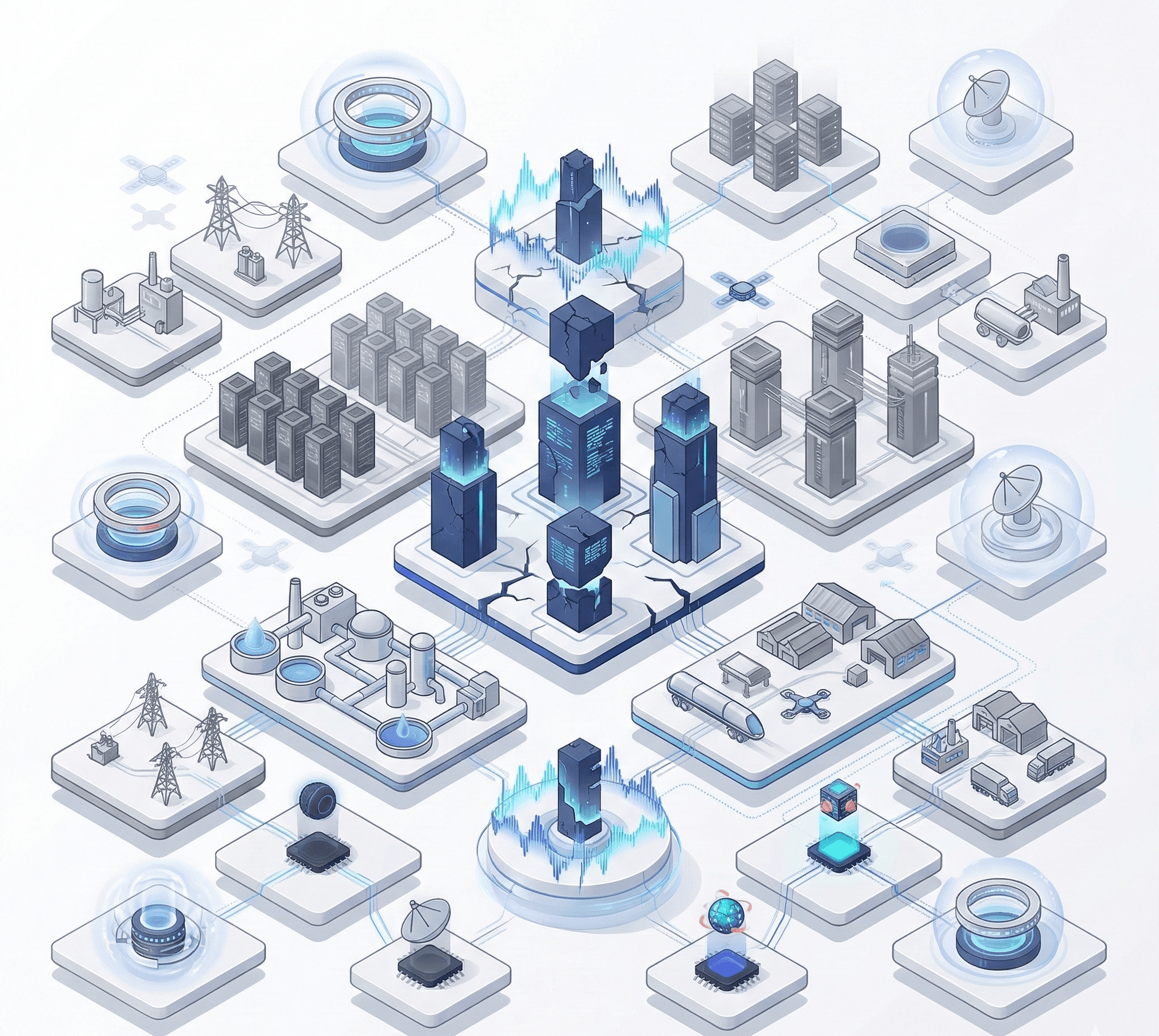
The Kompas piece noted that while a near-nationwide internet disruption limited some activity, Shieldworkz’s analysis shows the primary effects stemmed from targeted operations that fractured leadership and degraded the technical infrastructure relied on by several Iranian Advanced Persistent Threat (APT) clusters. The report warns that this is a strategic pause - not the elimination of the threat - and that dormant, passive access points remain embedded across regional and global networks.
What Kompas reported
The Kompas piece noted that while a near-nationwide internet disruption limited some activity, Shieldworkz’s analysis shows the primary effects stemmed from targeted operations that fractured leadership and degraded the technical infrastructure relied on by several Iranian Advanced Persistent Threat (APT) clusters. The report warns that this is a strategic pause - not the elimination of the threat - and that dormant, passive access points remain embedded across regional and global networks.
Shieldworkz perspective
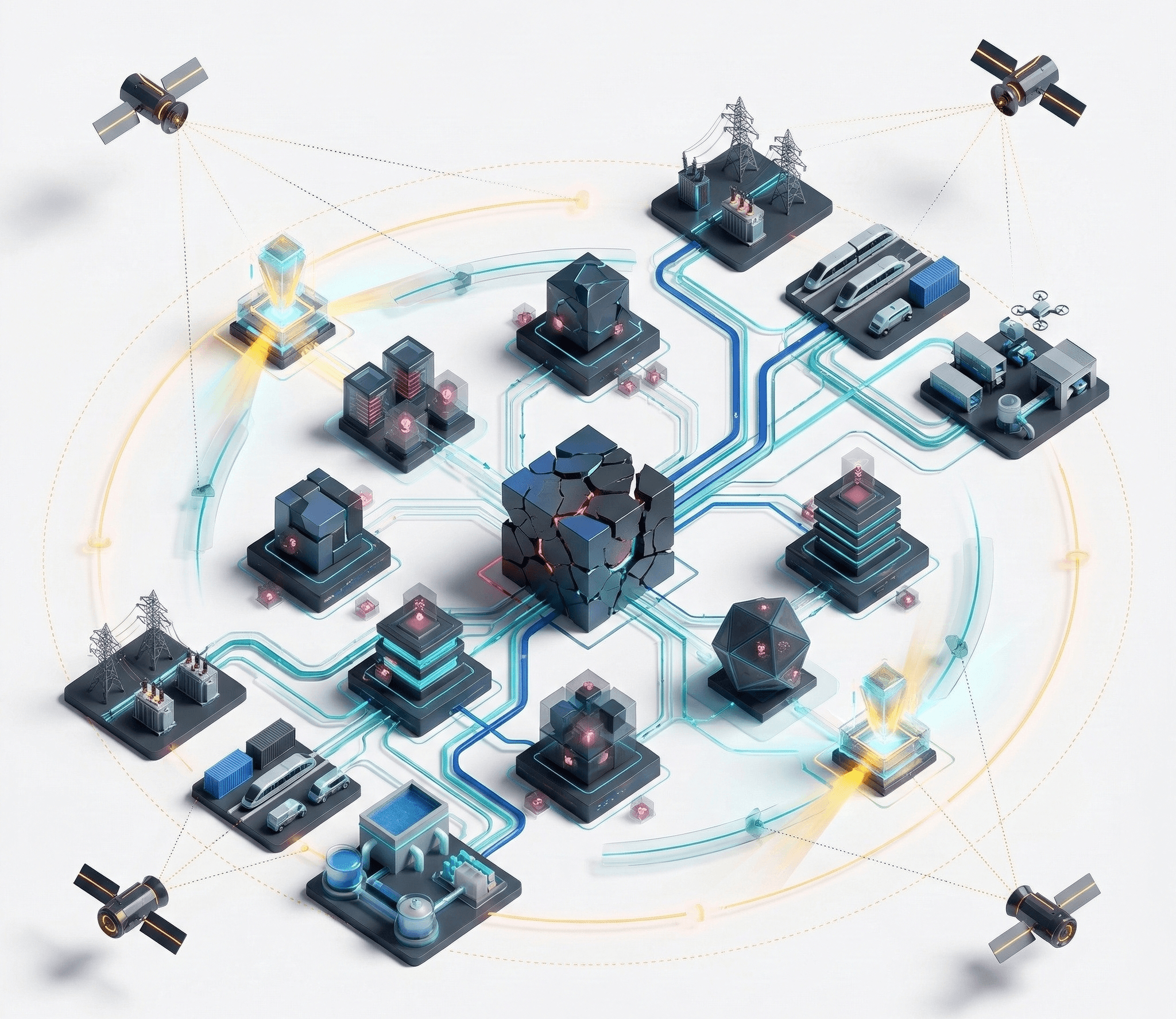
Shieldworkz’s research team warns that silence is a window for preparation and reorientation, not safety. While immediate large-scale strikes may drop, the surviving tactics are often stealthier - credential harvesting, supply-chain reconnaissance, and delayed-execution malware planted months earlier. Organisations should therefore prioritise detection of dormant access and remediation of systemic exposure before adversaries attempt to scale again.
Key insights highlighted by Shieldworkz
Operational degradation, not annihilation. Targeted strikes disrupted coordination and infrastructure, but did not completely dismantle Iranian cyber capabilities.
Mosaic resilience model. Iranian threat groups operate in a decentralised, layered way that preserves autonomy across cells and supports offline playbooks.
Persistent passive access. Credential theft, VPN backdoors and planted implants remain active or semi-dormant in regional networks - they behave like “time bombs.”
Proxy and affiliate activity continues. Even with central nodes degraded, affiliates and external operators are still observed conducting periodic reconnaissance worldwide.
Phased re-emergence is likely. The report maps an expected trajectory: near-term nuisance operations, medium-term credential and wiper campaigns, and longer-term structured APT activity against high-value infrastructure.
Shieldworkz perspective
Shieldworkz’s research team warns that silence is a window for preparation and reorientation, not safety. While immediate large-scale strikes may drop, the surviving tactics are often stealthier - credential harvesting, supply-chain reconnaissance, and delayed-execution malware planted months earlier. Organisations should therefore prioritise detection of dormant access and remediation of systemic exposure before adversaries attempt to scale again.
Key insights highlighted by Shieldworkz
Operational degradation, not annihilation. Targeted strikes disrupted coordination and infrastructure, but did not completely dismantle Iranian cyber capabilities.
Mosaic resilience model. Iranian threat groups operate in a decentralised, layered way that preserves autonomy across cells and supports offline playbooks.
Persistent passive access. Credential theft, VPN backdoors and planted implants remain active or semi-dormant in regional networks - they behave like “time bombs.”
Proxy and affiliate activity continues. Even with central nodes degraded, affiliates and external operators are still observed conducting periodic reconnaissance worldwide.
Phased re-emergence is likely. The report maps an expected trajectory: near-term nuisance operations, medium-term credential and wiper campaigns, and longer-term structured APT activity against high-value infrastructure.

About Shieldworkz
Shieldworkz helps organisations secure Operational Technology (OT), IoT and Cyber-Physical Systems (CPS) across industrial and national infrastructure. Our threat research team blends sector-aware telemetry, hunt-driven detection, and hands-on incident response to find hidden exposure and build resilient recovery paths.
About Shieldworkz
Shieldworkz helps organisations secure Operational Technology (OT), IoT and Cyber-Physical Systems (CPS) across industrial and national infrastructure. Our threat research team blends sector-aware telemetry, hunt-driven detection, and hands-on incident response to find hidden exposure and build resilient recovery paths.
Visit our website: https://shieldworkz.com
For press inquiries and expert interviews, contact: info@shieldworkz.com
Stay ahead of tomorrow’s threats with Shieldworkz, your partner in proactive OT cybersecurity.
Learn More & Resources
Visit our website: https://shieldworkz.com
For press inquiries and expert interviews, contact: info@shieldworkz.com
Stay ahead of tomorrow’s threats with Shieldworkz, your partner in proactive OT cybersecurity.
Learn More & Resources
Read the news article