هجوم فيروس ستوكسنت عبر منفذ يو إس بي (USB): لماذا لا تزال الوسائط القابلة للإزالة تشكل تهديداً؟

فريق شيلدوركز
جهاز صغير غير مفهوم الأمن السيبراني الصناعي إلى الأبد
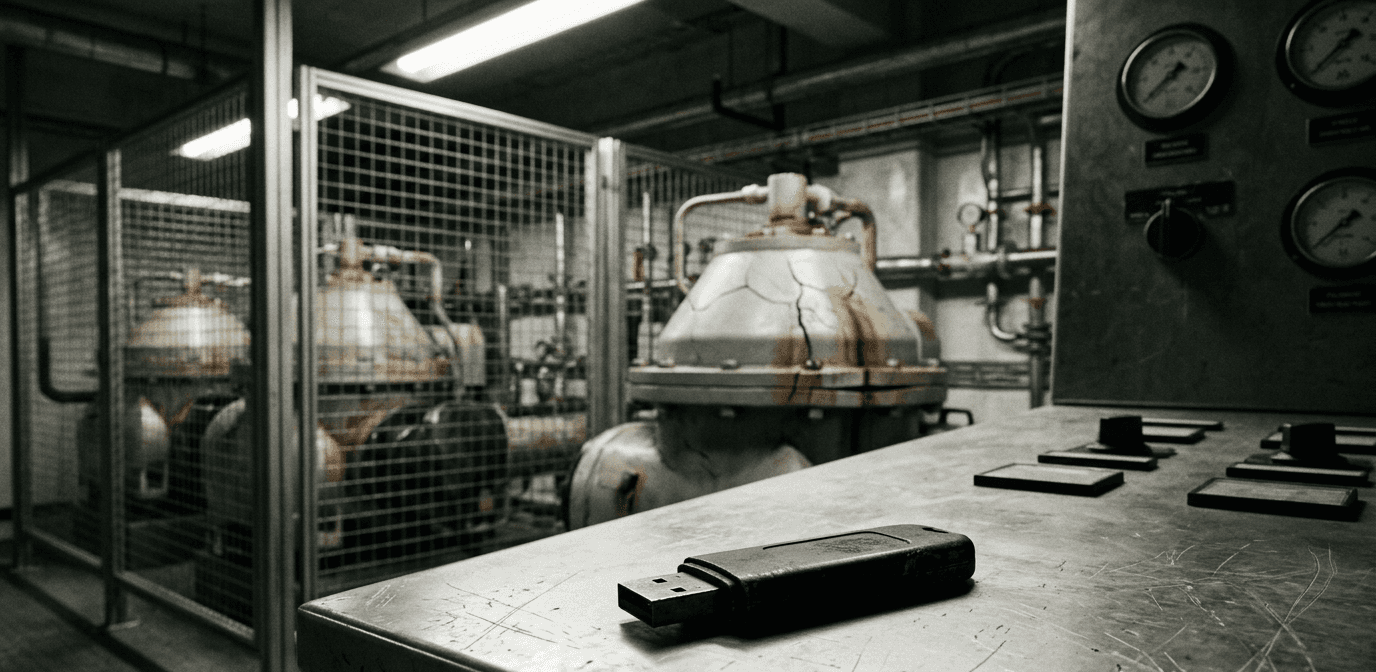
في عام 2010، نجحت وحدة ذاكرة فلاش USB بسيطة في تدمير أكثر من 1,000 جهاز طرد مركزي لتخصيب اليورانيوم بهدوء في منشأة نطنز النووية الإيرانية. بلا اقتحام مسلح، بلا صاروخ، وبلا انفجار مرئي. مجرد وحدة ذاكرة فلاش تبدو غير ضارة تحمل أحد أكثر البرامج الخبيثة تطوراً على الإطلاق، وهو Stuxnet.
لم يكن ما جعل Stuxnet استثنائياً هو مجرد تعقيده التقني، بل الإدراك الذي فرضه على العالم: أن جهاز تخزين محمول، صغير بما يكفي ليتسع في جيب قميص، يمكنه تجاوز الدفاعات المحيطية، وعبور الشبكات المعزولة مادياً (Air-gapped)، وإلحاق أضرار فيزيائية كارثية بالبنية التحتية الصناعية.
بعد مرور أكثر من خمسة عشر عاماً، لم يتم استيعاب هذا الدرس بالكامل بعد. لا تزال محركات أقراص USB والوسائط المحمولة من بين أكثر ناقلات التهديد التي يُستهان بها والأكثر استغلالاً في البيئات الصناعية. تشترك منشآت توليد الطاقة، ومحطات معالجة المياه، ومصافي النفط، وأقسام التصنيع، ومنشآت المعالجة الكيميائية في نقطة ضعف مشتركة: منفذ USB المادي.
تناقش هذه المدونة تشريح هجوم Stuxnet، والخطر المستمر للوسائط المحمولة في بيئات تكنولوجيا العمليات التشغيلية (OT) وأنظمة التحكم الصناعي (ICS)، والخطوات العملية التي يجب على المؤسسات اتخاذها لبناء سياسة قوية للتحكم في أجهزة USB يمكنها إيقاف الحادث التالي قبل أن يبدأ.
هجوم Stuxnet: فهم ما حدث بالفعل
1.1 كيف تسلل محرك أقراص USB إلى منشأة نووية
كانت نطنز تُعتبر واحدة من أكثر المنشآت الصناعية أماناً في العالم. كانت أنظمة التحكم الخاصة بها مفصولة عمداً عن الإنترنت، وهي استراتيجية حماية تُعرف بالعزل المادي (Air-gapping). وافترض مخططو الأمن أنه بدون اتصال بالشبكة، لا يمكن اختراق الأنظمة عن بُعد.
لكنهم كانوا واهمين.
استخدم المهاجمون استراتيجية تسلل متعددة المراحل. حيث تم إدخال محركات أقراص USB مصابة في سلسلة التوريد وشبكات المقاولين. وعندما قام أحد الأشخاص من داخل المنشأة، سواء كان يعلم ذلك أم لا، بتوصيل أحد هذه الأجهزة بمحطة عمل داخل المنشأة، تنشط Stuxnet بصمت. واستغل أربع ثغرات أمنية غير معروفة سابقاً في نظام Windows في وقت واحد، وهي قدرة لم يسبق لها مثيل من قبل.
بمجرد دخوله، تصرف Stuxnet بطريقة منضبطة للغاية؛ فلم يتسبب في تعطل الأنظمة أو إجراء تغييرات واضحة. بدلاً من ذلك، تواصل مع برنامج Siemens STEP 7 الذي يتحكم في وحدات التحكم المنطقية القابلة للبرمجة (PLCs) وبدأ في إرسال أوامر بديلة إلى محركات أجهزة الطرد المركزي، مما جعلها تدور بسرعات غير صحيحة مع إرسال بيانات تشغيل عادية في الوقت نفسه إلى أنظمة المراقبة البشرية.
كان المشغلون يراقبون شاشاتهم التي تظهر أضواء خضراء، بينما كانت أجهزة الطرد المركزي ممزقة مادياً في الواقع. وبحلول الوقت الذي تم فيه تحديد الضرر، كان قد تم القضاء على ما يقرب من خمس قدرة التخصيب الإيرانية.
1.2 لماذا لا تكفي العزل المادي (Air Gaps)
دمر هجوم Stuxnet بشكل نهائي أسطورة أن الشبكات المعزولة مادياً غير قابلة للاختراق. في البيئات الصناعية اليوم، أصبحت العوازل المادية الحقيقية نادرة بشكل متزايد. يستخدم مهندسو الصيانة أجهزة الكمبيوتر المحمولة ومحركات أقراص USB لنقل البيانات التشخيصية. وتصل تحديثات البرامج عبر وسائط محمولة. ويقوم موردو الطرف الثالث بتوصيل الأجهزة الشخصية للمعايرة. وتعتبر كل نقطة من نقاط الاتصال هذه ناقلاً محتملاً لإدخال البرمجيات الخبيثة.
حتى المؤسسات التي تلتزم بسياسات عزل مادي صارمة تواجه تحدياً أساسياً: وهو العنصر البشري. فالعمليات البشرية تخلق استثناءات؛ كأن يستخدم المقاول جهاز الكمبيوتر المحمول الخاص به، أو يجلب المهندس البيانات إلى منزله، أو يستعير الفني محرك أقراص USB من زميله. هذه اللحظات من التسهيلات التشغيلية هي اللحظات التي يستغلها المهاجمون.
الجدول 1: الحقائق التقنية الرئيسية لهجوم Stuxnet
سمة الهجوم | التفاصيل |
طريقة التسليم | وسائط USB محمولة مصابة عبر سلسلة توريد المقاولين |
الثغرات المستغلة | أربع ثغرات دون انتظار (Zero-day) في نظام Windows (غير مسبوقة في ذلك الوقت) |
الأنظمة المستهدفة | وحدات تحكم Siemens S7-315 وS7-417 PLCs التي تتحكم في محركات أجهزة الطرد المركزي |
التأثير المادي | تدمير أكثر من 1,000 جهاز طرد مركزي لليورانيوم مادياً في نطنز |
المخطط الزمني للاكتشاف | عمل دون اكتشاف لمدة 18 شهراً تقريباً |
متطلبات الشبكة | لا شيء، مصمم للعمل دون اتصال بالإنترنت |
آلية التخفي | إرسال قراءات طبيعية خاطئة إلى أنظمة مراقبة SCADA |
طريقة الانتشار | انتشر عبر USB والمشاركة على الشبكة واتصالات قاعدة بيانات WinCC |
تهديدات الوسائط المحمولة في 2024-2025: التهديد تطور ولم يختفِ
تعتبر بعض المؤسسات أحياناً Stuxnet مجرد دراسة حالة تاريخية وليس تحذيراً حياً ونشطاً. هذا المنظور غاية في الخطورة. ففي السنوات التي أعقبت Stuxnet، تضاعفت هجمات الوسائط المحمولة ضد البنية التحتية الصناعية، وأصبحت أكثر تطوراً، وانتشرت عبر قطاعات أكثر.
2.1 الحوادث الواقعية التي تلت Stuxnet
استهدف هجوم TRITON/TRISIS في عام 2017 الأنظمة المجهزة للسلامة (SIS) في منشأة بتروكيماوية في الشرق الأوسط. وعلى الرغم من كونه هجوماً قائماً على الشبكة في طبيعته، إلا أن نقطة البداية استغلت محطات العمل التي كان المهندسون الذين يقومون بتحديثات البرامج الثابتة يوصّلون بها وسائط محمولة بانتظام. وكان من الممكن أن تكون النتيجة الكارثية حدوث انفجار بسبب تعطيل تجاوزات السلامة.
وفي عام 2020، تم تصميم نسخة جديدة من برنامج Industroyer2 الخبيث، المرتبط بالملف التعريفي لنفس مجموعة التهديدات التي هاجمت بنية تكنولوجيا الطاقة الأوكرانية في عام 2016، للانتشار عبر محركات أقراص USB عبر شبكات التكنولوجيا التشغيلية. وقد شهد قطاع الطاقة في أوكرانيا الآن حوادث متعددة لعبت فيها الوسائط المحمولة دوراً في مرحلة تقديم الهجوم أو مرحلة الحركة الجانبية داخل الشبكة.
في عام 2022، نشرت شركة Mandiant بحثاً حول INDUSTROYER2 يشير تحديداً إلى قدرته على الانتشار عبر الوسائط المحمولة واستهداف بروتوكولات IEC 104 وIEC 101 وIEC 61850 المستخدمة في إدارة الشبكات الكهربائية في جميع أنحاء أوروبا وأمريكا الشمالية.
وجد تقرير استخباراتي عن التهديدات صدر عام 2023 عن مجموعة أبحاث كبرى متخصصة في أمن تكنولوجيا العمليات التشغيلية (OT) أن الوسائط المحمولة كانت هي المتجه الأول للعدوى في 52% من جميع الحوادث السيبرانية المتعلقة بأنظمة التحكم الصناعي (ICS) التي قاموا بتحليلها، مما تجاوز بفارق كبير هجمات التصيد الاحتيالي والهجمات القائمة على الشبكة كنقطة دخول رئيسية في بيئات التكنولوجيا التشغيلية.
2.2 لماذا تعد البيئات الصناعية معرضة للخطر بشكل خاص
تخلق بنية العمليات الصناعية ظروفاً تجعل تهديدات الوسائط المحمولة خطيرة بشكل خاص:
• لا تزال الأنظمة القديمة التي تعمل بنظام التشغيل Windows XP أو Windows 7 منتشرة على نطاق واسع في المصانع لأن ترحيل الأنظمة الحيوية ينطوي على مخاطر تشغيلية. تفتقر هذه الأنظمة إلى الحماية الحديثة للنقاط الطرفية ولا يمكنها تلقي تحديثات الأمان.
• تم بناء شبكات OT وICS من أجل الموثوقية والسلامة، وليس للأمن السيبراني. حيث يمكن الوصول إلى منافذ USB مادياً على أجهزة PLC وHMI ومحطات عمل الهندسة وخوادم البيانات التاريخية.
• تطبع الثقافة التشغيلية في العديد من البيئات الصناعية استخدام محركات أقراص USB لمهام العمل المشروعة: نقل البيانات، تحديثات البرامج، مفاتيح الترخيص، وتثبيت البرامج الثابتة.
• يتكرر وصول الصيانة والموردين من الأطراف الثالثة. يجلب المقاولون أجهزتهم الخاصة، وينتقل فنيو الخدمة من موقع إلى آخر، وغالباً ما يستخدمون نفس محرك أقراص USB عبر منشآت متعددة.
• غالباً ما تتمتع فرق مركز العمليات الأمنية (SOC) المسؤولة عن شبكات تقنية المعلومات برؤية محدودة لبيئات تكنولوجيا العمليات (OT)، مما يخلق نقاطاً عمياء للمراقبة على مستوى الأجهزة المادية.
الجدول 2: حوادث بارزة للوسائط المحمولة في البيئات الصناعية
السنة | الحادث / القطاع | متجه الهجوم | النتيجة |
2010 | Stuxnet، قطاع نووي (إيران) | محرك أقراص USB عبر مقاول | تدمير أكثر من 1,000 جهاز طرد مركزي |
2016 | Industroyer، قطاع الطاقة (أوكرانيا) | حركة جانبية عبر USB | انقطاع واسع النطاق في شبكة الكهرباء |
2017 | TRITON، البتروكيماويات (الشرق الأوسط) | محطة عمل هندسية عبر USB | تعطيل أنظمة السلامة؛ خطر الانفجار |
2019 | مرفق مياه غير مسمى بـ الولايات المتحدة | فلاشة USB مصابة من قِبل فني | اختراق واجهة المستخدم الرسومية (HMI)؛ سيطرة جزئية على النظام |
2020 | قطاع التصنيع (الاتحاد الأوروبي) | محرك أقراص USB لمقاول | نشر برمجيات فدية على شبكة تكنولوجيا العمليات (OT) |
2022 | Industroyer2، قطاع الطاقة (أوكرانيا) | وحدة انتشار عبر USB | تعطيل بروتوكول IEC؛ استهداف شبكة الكهرباء |
2023 | النفط والغاز (جنوب شرق آسيا) | USB مورد أثناء الصيانة | تم اكتشاف تعديل في البرامج الثابتة لوحدة التحكم (PLC) |
ما هي سياسة التحكم في أجهزة USB ولماذا تخطئ معظم المؤسسات في تطبيقها
سياسة التحكم في أجهزة USB هي إطار أمني رسمي ينظم كيفية إدارة أجهزة التخزين المحمولة والموافقة عليها ومراقبتها وتقييدها عبر بيئات تقنية المعلومات وتكنولوجيا العمليات (OT) في المؤسسة. في البيئات الصناعية، يجب أن يمتد هذا الإطار إلى ما هو أبعد من طبقة تقنية المعلومات ليصل إلى كل محطة عمل هندسية، وHMI، وخادم بيانات تاريخية، وواجهة PLC تحتوي على منفذ USB.
وتعتقد العديد من المؤسسات أنها قامت بالفعل بتغطية هذا الأمر بمجرد إصدار مستند سياسة ينص على حظر أجهزة USB غير المصرح بها. هذه ليست سياسة تحكم في أجهزة USB؛ بل هي مجرد بيان مكتوب ليس له آلية إنفاذ.
يشتمل الإطار الأمني الفعلي لأجهزة USB لبيئات الصناعة على خمسة ركائز عمل:
3.1 القائمة البيضاء للأجهزة والمصادقة على العتاد المادي
لا ينبغي لجميع منافذ USB قبول كافة الأجهزة. يتيح برنامج التحكم في الأجهزة للمسؤولين إنشاء جرد للأجهزة المعتمدة. ويُسمح فقط للأجهزة المدرجة في القائمة البيضاء، والتي يتم التعرف عليها من خلال معرف مادي مشفر أو شهادة رقمية، بالاتصال. ويتم حظر أي جهاز غير معروف تلقائياً، ويتم تسجيل المحاولة لمراجعتها أمنياً.
ينفي هذا النهج أحد أكثر سيناريوهات الهجوم شيوعاً: قيام المهاجم بإلقاء محركات أقراص USB في موقف السيارات أو منطقة عامة، بالاعتماد على فضول الموظف للقيام بالباقي. وحتى لو التقط الموظف محرك الأقراص المفخخ وقام بتوصيله، فإن النظام سيرفض التعرف عليه.
3.2 حماية أنظمة SCADA من البرمجيات الخبيثة عبر USB
يجب أن تأخذ حماية أنظمة SCADA من البرمجيات الخبيثة التي تنتقل عبر USB في الاعتبار القيود المحددة لتكنولوجيا العمليات. قد لا تكون حلول مكافحة الفيروسات التقليدية قابلة للتثبيت على الأنظمة القديمة التي تعمل بأنظمة تشغيل قديمة. وقد تستهلك أيضاً موارد معالجة تتداخل مع وظائف التحكم في الوقت الفعلي.
وتعالج حلول فحص USB المصممة خصيصاً هذا الأمر من خلال توفير:
• أكشاك فحص غير متصلة بالإنترنت (Offline Scanning Kiosks) في نقاط الدخول الآمنة، حيث يتم فحص وسائط USB وتطهيرها قبل الترخيص باستخدامها داخل المنشأة.
• محطات مخصصة لفحص USB تتحقق من الوسائط مقابل التواقيع الخبيثة المعروفة، والأنماط السلوكية، وأنواع الملفات المحظورة دون الحاجة للتثبيت على أنظمة الإنتاج.
• تحليل مدرك للبروتوكولات يتعرف على ملفات تكوين PLC، وملفات مشاريع HMI، وتنسيقات قواعد بيانات SCADA، ويكشف الشذوذ الذي قد تغفله برامج مكافحة الفيروسات العادية.
3.3 سياسة أمان USB للموظفين والمقاولين
إن السلوك البشري هو الحلقة الأضعف في أي إطار أمني خاص بأجهزة USB. ويجب أن تغطي سياسة أمان USB الشاملة للموظفين ثلاث مجموعات متميزة من المستخدمين في البيئات الصناعية:
مجموعة المستخدمين | المخاطر الرئيسية | متطلبات السياسة |
مهندسو تكنولوجيا العمليات (OT) الداخليون | استخدام الـ USB الشخصي؛ ونقل البيانات دون فحص | الاستخدام الإلزامي لكشك الفحص؛ واستخدام محركات أقراص مشفرة تابعة للشركة فقط |
طاقم دعم تقنية المعلومات (IT) | استخدام أجهزة عبر الشبكات المختلفة؛ وإدخال أدوات تكنولوجيا المعلومات في مناطق تكنولوجيا العمليات | أجهزة مخصصة لمنطقة تكنولوجيا العمليات؛ مع بروتوكول يمنع التلوث المتبادل |
المقاولون والشركاء الخارجيون | سلامة الأجهزة غير المعروفة؛ والتنقل بين مواقع متعددة | الحصول على تفويض مسبق؛ حظر الوسائط التي يوفرها المورد؛ والفحص الإلزامي في الموقع |
إدارة العمليات التشغيلية | تجاوز السياسة؛ وإيجاد بدائل عاجلة تحت ضغط الإنتاج | تحديد عملية لطلب الاستثناء وتوثيق مسار التصعيد |
فريق عمليات الأمن | توصيل أدوات التحقيق الجنائي والأدلة الجنائية الرقمية بأنظمة الإنتاج | استخدام أجهزة محصنة ومطهرة؛ مع اشتراط التوثيق الرسمي |
3.4 المراقبة المركزية وتسجيل التدقيق
تتطلب حماية أجهزة USB في بيئات تكنولوجيا العمليات رؤية مستمرة. يجب أن ينشئ كل حدث لتوصيل جهاز، سواء كان مصرحاً به أو محظوراً، حركة سجل (Log) يتم التقاطها بواسطة منصة المراقبة الأمنية. ويخدم هذا غرضين: تمكين التنبيه في الوقت الفعلي بشأن أي نشاط مشبوه، وإنشاء سجل الأدلة الجنائية اللازم للتحقيق في الحوادث والوقوف على تفاصيلها.
يجب أن تلتقط سجلات التدقيق كحد أدنى: المعرف المادي للجهاز، والطابع الزمني للاتصال، ومعرّف محطة العمل أو PLC، وحساب المستخدم (إن وجد)، ونشاط نقل الملفات، وأي أحداث حظر أو تنبيه تم إطلاقها. وتغذي هذه البيانات مركز العمليات الأمنية مباشرة للتحليل.
3.5 ضوابط المنافذ المادية
في المناطق شديدة الأمان (غرف التحكم، غرف أنظمة السلامة، مناطق الخوادم)، يعد الحظر المادي للمنافذ وسيلة حماية مشروعة وفعالة. ويمكن إغلاق منافذ USB غير المستخدمة بأدوات غلق المنافذ، كما يمكن اشتراط الحصول على مفتاح مادي أو رمز مصادقة للوصول للمنافذ النشطة. وتعمل هذه الطبقة حتى عندما تفشل الضوابط البرمجية أو يتم تجاوزها.
بناء إطار عمل فعال لأمن USB لأنظمة التحكم الصناعي
إن تطبيق أمن USB لأنظمة التحكم الصناعي ليس مجرد مسألة نشر برمجيات. وإنما يتطلب نهجاً هيكلياً يراعي الحقائق التشغيلية للبيئات الصناعية، بما في ذلك متطلبات جاهزية النظام، والبنية التحتية القديمة، ومشاركة أطراف داخلية وخارجية متعددة.
المرحلة 1: اكتشاف الأصول وتقييم المخاطر
قبل إمكانية تطبيق أي سياسة، تحتاج المؤسسات إلى جرد كامل لكل جهاز في بيئة تكنولوجيا العمليات (OT) يحتوي على منفذ USB، ومعرفة الأنظمة التي تحتوي حالياً على منافذ نشطة، والأنظمة التي تم توصيل أجهزة بها مؤخراً، والأنظمة التي يمكن لأطراف ثالثة الوصول إليها. وغالباً ما تكشف مرحلة الاكتشاف هذه عن عشرات من نقاط التعرض المنسية التي لم يتم تضمينها مطلقاً في المراجعات الأمنية.
المرحلة 2: تطوير السياسات والضوابط القائمة على الأدوار
لا يمكن لسياسات USB أن تكون مقاساً واحداً يناسب الجميع. فمهندس العمليات الذي يتولى صيانة أجهزة PLC لديه متطلبات وصول تختلف عن مشغل HMI الذي يقوم بتشغيل برامج الإنتاج. وتحدد ضوابط الوصول القائمة على الأدوار فئات المستخدمين المصرح لهم باستخدام أنواع معينة من الأجهزة على أنظمة محددة، مع تطبيق سير عمل معتمد للاستثناءات.
المرحلة 3: نشر الأدوات التقنية
يجب أن يعكس اختيار التكنولوجيا قيود بيئة تكنولوجيا العمليات (OT). وتتضمن الاعتبارات الرئيسية ما يلي:
• التوافق مع أنظمة التشغيل القديمة وبرامج SCADA الخاصة بالمصنعين.
• عملية ذات زمن انتقال منخفض جداً لا تقاطع وظائف التحكم في الوقت الفعلي.
• كونسول إدارة مركزي يوفر رؤية عبر المواقع للمؤسسات متعددة المرافق.
• القدرة على التكامل مع المنصات الحالية لإدارة معلومات الأحداث الأمنية (SIEM).
• دعم نشر أكشاك الفحص غير المتصلة بالإنترنت عند نقاط دخول المنشأة.
المرحلة 4: تدريب الموظفين وتوعيتهم
إن أكثر أطر عمل أمان USB تقدماً من الناحية التقنية سيفشل دون سلوك بشري متسق. ويجب أن تتجاوز برامج التدريب لبيئات تكنولوجيا العمليات التوعية العامة بالأمن السيبراني لتتناول السيناريوهات المحددة التي يواجهها العاملون في المجال الصناعي: كيفية الاستجابة لمورد يصر على استخدام محرك أقراص USB الخاص به، وما يجب فعله عندما يطلق جهاز USB تنبيه فحص، وكيفية الإبلاغ عن اشتباه في تلاعب بالوسائط، والآثار التي ستعود على الأعمال من جراء انتهاك السياسات.
المرحلة 5: الاختبار المستمر والاستجابة للحوادث
يجب اختبار سياسات التحكم في أجهزة USB بانتظام، بما في ذلك من خلال تمارين محاكاة لإدخال أجهزة للتحقق من قدرات الكشف والاستجابة. ويجب أن تتضمن خطط الاستجابة للحوادث سيناريوهات محددة لحوادث الوسائط المحمولة، تغطي الاحتواء، والتحقيق الجنائي الرقمي، وعزل الأنظمة، وإجراءات التعافي المصممة لبيئات تكنولوجيا العمليات حيث يتسبب إيقاف تشغيل النظام في عواقب تشغيلية وعواقب على السلامة بشكل مباشر.
الثغرات الشائعة في برامج أمن USB الصناعية
بناءً على الملاحظات عبر القطاعات الصناعية، تظهر الثغرات التالية بشكل متكرر في برامج أمن USB لدى المؤسسات التي تعتقد أنها محمية بالفعل:
الجدول 3: ثغرات أمن USB الشائعة في البيئات الصناعية
الثغرة الأمنية | السبب الجذري | مستوى الخطورة | التأثير |
السياسة موجودة ولكن لا يتم تطبيقها تقنياً | الاعتماد على التدريب والتوعية وحدهما | حرجة | يمكن لأي جهاز USB الاتصال دون اكتشافه |
لم يتم وضع كشك الفحص عند جميع نقاط الدخول | تغطية نشر غير كاملة | مرتفعة | تدخل الوسائط غير المفحوصة للمناطق الآمنة |
استبعاد الأنظمة القديمة من سياسة التحكم بالأجهزة | مخاوف التوافق مع أنظمة التشغيل القديمة | حرجة | تظل الأنظمة الأقدم مكشوفة تماماً |
عدم الترخيص المسبق لأجهزة المقاولين | تجاوز السياسة من أجل التسهيلات التشغيلية | مرتفعة | تتصل أجهزة مجهولة بانتظام |
لا يوجد تكامل بين سجلات USB ومراقبة الـ SOC | فجوة في الرؤية بين تقنية المعلومات وتكنولوجيا العمليات | مرتفعة | يمر النشاط الخبيث دون اكتشافه |
المنافذ المادية غير محمية في غرف التحكم | التعامل مع الأمن المادي بشكل منفصل | متوسطة - مرتفعة | عدم معالجة خطر التهديدات الداخلية |
مسار طلب الاستثناء غير موثق | ثقافة تجاوز غير رسمية | مرتفعة | يتم تجاوز السياسة دون وجود مسار تدقيق |
كيف تدعم Shieldworkz المؤسسات الصناعية في أمن أجهزة USB والوسائط المحمولة
تعمل Shieldworkz مع قادة أمن تكنولوجيا العمليات التشغيلية (OT)، ومديري المصانع، ورؤساء أمن المعلومات (CISOs)، ومهندسي أنظمة التحكم الصناعي (ICS) عبر قطاعات البنية التحتية الحيوية لبناء وتنفيذ وتحسين برامج أمن USB المصممة لواقع العمليات الصناعية باستمرار، بدلاً من تعديل أطر عمل تركز على تقنية المعلومات فحسب.
نهجنا في أمن أجهزة USB في بيئات تكنولوجيا العمليات (OT) |
• تقييم مخاطر USB الخاص بتكنولوجيا العمليات (OT) - نجري تقييماً شاملاً لبيئتك الصناعية، ونحدد كل نظام معرض لمخاطر منافذ USB، ونرسم خرائط لأنماط استخدام الأجهزة الحالية، ونقيس مدى التعرض للمخاطر عبر الحدود الفاصلة بين تقنية المعلومات وتكنولوجيا العمليات.
• تطوير سياسة التحكم في أجهزة USB - يطور المتخصصون الأمنيون لدينا سياسات أمان USB مخصصة تتوافق مع معايير IEC 62443 وNIST SP 800-82 ومعايير NERC CIP والمتطلبات التنظيمية لقطاعك، وتغطي الموظفين والمقاولين وفرق الصيانة.
• حماية أنظمة SCADA من البرمجيات الخبيثة عبر USB - نقوم بنشر أكشاك الفحص، وحلول التحكم في أجهزة النقاط الطرفية، وأدوات الفحص المدركة للبروتوكولات المصممة للعمل في بيئات تكنولوجيا العمليات دون التأثير على جاهزية النظام أو أداء التحكم في الوقت الفعلي.
• تغطية الأنظمة القديمة - توسع Shieldworkz ضوابط أمن USB لتشمل أنظمة التشغيل القديمة والمنصات المملوكة لجهات محددة والتي لا يمكن لأدوات أمن تقنية المعلومات القياسية دعمها، مما يضمن عدم ترك أي جزء مكشوف في بيئة تكنولوجيا العمليات.
• المراقبة المركزية والتكامل مع الـ SOC - ندمج سجلات نشاط أجهزة USB في بيئة المراقبة الأمنية الخاصة بك، لتمكين مركز العمليات الأمنية لديك من كشف تهديدات الوسائط المحمولة والتحقيق فيها والاستجابة لها في الوقت الفعلي.
• تنسيق الأمن المادي - يعمل فريقنا جنباً إلى جنب مع قسم الأمن المادي لديك لتطبيق قفل المنافذ، والتحكم في الوصول، والضوابط المادية القائمة على المناطق التي تكمل الضمانات التقنية.
• برامج تدريب لموظفي تكنولوجيا العمليات (OT) - نقدم تدريباً مخصصاً للتوعية بأمن USB وقائماً على السيناريوهات ومصمماً خصيصاً للمشغلين الصناعيين، ومهندسي الصيانة، وفنيي العمليات، وإدارة تكنولوجيا العمليات، لمعالجة المواقف الواقعية التي تواجهها فرقكم.
• دعم الاستجابة للحوادث - في حالة حدوث واقعة أمنية بسبب وسائط محمولة، توفر Shieldworkz دعماً متخصصاً للاستجابة للحوادث في تكنولوجيا العمليات، بما في ذلك التحليل الجنائي، وتوجيهات الاحتواء، وتخطيط التعافي الذي يراعي متطلبات استمرارية التشغيل.
• الاختبار المستمر والتحقق من الامتثال - نجري تمارين دورية لاختبار أمن USB، ومراجعات للامتثال للسياسات، وتقييمات لمدى فعالية الضوابط لضمان بقاء برنامجكم محدثاً مع تطور التهديدات والمتطلبات التشغيلية.
منفذ USB ليس خطراً صغيراً
أثبت Stuxnet أن محرك أقراص USB واحداً، في الأيدي المناسبة في اللحظة المناسبة، يمكنه أن يعود بالبرنامج الاستراتيجي لدولة ما سنوات إلى الوراء، دون إطلاق رصاصة واحدة. كان البرنامج الخبيث الذي حمله متطوراً، ولكن آلية التوصيل كانت بدائية؛ مجرد ذاكرة فلاش، وقرار بشري بتوصيلها، ونافذة فرصة وجيزة.
لا تزال تلك النافذة مفتوحة في المنشآت الصناعية حول العالم. ليس لأن المؤسسات لا تهتم بالأمن، ولكن لأن أمن الـ USB في بيئات تكنولوجيا العمليات يتطلب مستوى من التخصيص والوعي التشغيلي والتطبيق التقني الذي لا توفره أطر أمن تقنية المعلومات العامة.
تشترك المؤسسات الأكثر حماية ضد تهديدات الوسائط المحمولة في سمة مشتركة: وهي أنها تتعامل مع أمن USB كمنهج تشغيلي، وليس كمجرد خانة اختيار في مستند السياسة. لقد استثمروا في البنية التحتية للفحص، وتكنولوجيا التحكم في الأجهزة، والسياسات القائمة على الأدوار، وتدريب الموظفين. وقاموا بتوسيع هذه الحماية لتشمل أنظمتهم القديمة ومقاوليهم ومواقع مصانعهم الأكثر نأياً.
لم يكن Stuxnet الهجوم الأخير الذي يستخدم الوسائط المحمولة، ولن يكون الأخير كذلك. إن السؤال الذي يواجه كل قائد لأمن تكنولوجيا العمليات يقرأ هذا ليس ما إذا كان التهديد حقيقياً، بل ما إذا كانت ضوابطك الحالية قادرة حقاً على إيقافه.
هل بيئتك الصناعية محمية حقاً؟
تكتشف معظم المؤسسات ثغرات أمن الـ USB لديها أثناء وقوع حادث، وليس قبله.
إذا كنت قائداً لأمن تكنولوجيا العمليات (OT)، أو مديراً للمصنع، أو رئيساً لأمن المعلومات (CISO)، أو مهندساً لأنظمة التحكم الصناعي مسؤولاً عن البنية التحتية الحيوية، فإننا ندعوك للتحدث مباشرة مع متخصصي الأمن السيبراني لدينا. في استشارة سرية، سنراجع ضوابط أجهزة الـ USB والوسائط المحمولة الحالية لديك، ونحدد الثغرات الخاصة ببيئتك، ونرسم الخطوات العملية التالية، دون أي التزام.
احجز استشارة مجانية مع خبراء أمن تكنولوجيا العمليات (OT) لدينا
موارد إضافية:
قائمة التحقق لتقييم مخاطر OT/ICS القائمة على معيار IEC 62443 هنا
قائمة التحقق للأمن التشغيلي للأمن السيبراني لـ OT / ICS هنا
حزمة نماذج سياسة الأمن السيبراني لـ OT/ICS هنا
أدلة المعالجة والحلول هنا
احصل على تحديثات أسبوعية
الموارد والأخبار
تعرف على كيفية معالجة حلولنا الرائدة في مجال أمن تكنولوجيا التشغيل (OT) للتحديات الأمنية الحيوية
قد تود أيضًا

What the French supermarket cyberattack reveals about OT security
Prayukth K V

Inside the Albert Heijn cyber incident: Investigating the attack, the IT/OT exposure, and the risks to critical operations
Team Shieldworkz

50°C by cyberattack? Inside France’s supermarket refrigeration crisis
Prayukth K V

Automating IEC 62443 Compliance Assessments Without Losing Expert Control
Team Shieldworkz

Investigative cyber threat intelligence report: Daiichi Kosho supply-chain data exposure
Prayukth K V

How AI Is Changing IEC 62443 Assessments
Team Shieldworkz