متطلبات الامتثال للأمن السيبراني الصادرة عن هيئة تنظيم قطاع الطاقة (CEA): 15 ضابطًا رقابيًا لا يمكن لشركات الطاقة تجاهلها


فريق شيلدوركز
لماذا تستحق هذه اللائحة قراءة جادة، وليست مجرد تصفح سريع
لقد أمضت شركات الطاقة عقودًا في تصميم الأنظمة لضمان الموثوقية، والتكرار، والسلامة المادية. والآن، يتم إخضاع الأمن السيبراني للمعيار ذاته. إن لائحة الأمن السيبراني الصادرة عن هيئة الكهرباء المركزية (CEA) تضفي طابعًا رسميًا على ما عرفته العديد من المرافق ضمنيًا لسنوات: لم يعد اختراق نظام التحكم خطرًا افتراضيًا يقتصر على تقارير التدقيق، بل أصبح خطرًا تشغيليًا يحمل نفس ثقل فشل المحولات أو أعطال خطوط النقل.
ما يميز هذه اللائحة عن الإرشادات السابقة هو دقتها العالية؛ فهي لا تطلب من المرافق ببساطة "امتلاك سياسة للأمن السيبراني"، بل تحدد بوضوح الجهة المسؤولة، والأصول التي يجب جردها، وكيفية هيكلة الشبكات، وآلية الإبلاغ عن الحوادث، وكيفية تقديم الأدلة أثناء عمليات التدقيق. بالنسبة لقادة أمن تكنولوجيا التشغيل (OT)، ومديري المحطات، ومسؤولي أمن المعلومات (CISOs)، فإن هذا التحول يغير طبيعة العمل بشكل جذري. لم يعد الامتثال مجرد تمرين ورقي يتم إجراؤه مرة واحدة في السنة، بل أصبح نظامًا تشغيليًا يجب أن يكون ملموسًا وواضحًا في غرفة التحكم، وهندسة الشبكة، وعقود الموردين لدى قسم المشتريات.
يقسم هذا الدليل اللائحة إلى خمسة عشر مجالاً رقابيًا عمليًا، ويوضح المخاطر التي يعالجها كل مجال، ويبين الشكل الحقيقي للجاهزية القائمة على الأدلة. وعلى طول هذا الدليل، نشير إلى حوادث حقيقية شهدها القطاع لتوضيح سبب وجود كل ضابط من هذه الضوابط في المقام الأول، لأن المتطلبات تُقرأ بطريقة مختلفة تمامًا بمجرد فهم الإخفاقات التي صُممت لمنعها.
فهم الهدف الكامن وراء الإطار التنظيمي لهيئة الكهرباء المركزية (CEA)
قبل الغوص في الضوابط الفردية، يفيدنا فهم الفلسفة الأساسية التي تقوم عليها اللائحة؛ حيث تتمحور حول ثلاث ركائز تتكرر في كل بند: المسؤولية، والوضوح، والجاهزية القابلة للإثبات.
المسؤولية: يجب أن يتولى شخص ما داخل المؤسسة مسؤولية نتائج الأمن السيبراني، وليس فقط عمليات تكنولوجيا المعلومات.
الوضوح: يجب أن تعرف المؤسسة الأصول الموجودة لديها، وكيفية اتصالها ببعضها، وما يمكن أن يسير بشكل خاطئ.
الجاهزية القابلة للإثبات: يجب أن تكون الضوابط قابلة للإثبات من خلال السجلات، والتقارير، ونتائج الاختبارات، والإجراءات الموثقة، وليس بمجرد التأكيدات الشفهية.
هذا التأطير مهم للغاية لأن العديد من المؤسسات تتعامل مع الامتثال من خلال تقديم وثائق تصف السلوك المستهدف بدلاً من تطبيق ضوابط تعمل فعليًا على أرض الواقع. من المتوقع أن يطلب المدققون بموجب هذه اللائحة أدلة ملموسة، مثل عمليات تصدير الإعدادات وسجلات الوصول وتقارير الاختبارات والجداول الزمنية للحوادث، وليس مجرد ملفات سياسات بصيغة PDF. هذا هو التحول الأكبر في العقلية الذي يتعين على المرافق اعتماده.
الضوابط الـ 15 التي لا يمكن لشركات الطاقة تجاهلها
يلخص الجدول أدناه مجالات الرقابة الخمسة عشر التي تشكل العمود الفقري للائحة، وسيتم تفصيل كل منها بمزيد من العمق لاحقًا.
# | مجال الرقابة | ما يتطلبه على أرض الواقع |
1 | حوكمة وملكية الأمن السيبراني | تعيين مسؤولية واضحة لسلطة أمن سيبراني محددة داخل المرفق |
2 | تحديد الأصول السيبرانية الحساسة | يتطلب تصنيفًا رسميًا للأنظمة التي قد يؤثر اختراقها على موثوقية الشبكة |
3 | سجل وتوثيق الأصول السيبرانية | الاحتفاظ بجرد مستمر لأصول تكنولوجيا التشغيل (OT)، وإصدارات البرامج الثابتة، ومسارات الشبكة |
4 | هندسة الشبكة وتجزئتها | فرض الفصل المنطقي والمادي بين شبكة تكنولوجيا المعلومات للشركات وشبكات التحكم |
5 | عزل تكنولوجيا التشغيل عن تكنولوجيا المعلومات وحماية الحدود | يفرض وجود قنوات مراقبة، وجدران حماية، وتدفق بيانات أحادي الاتجاه عند الحاجة |
6 | إدارة الهوية والوصول | التحكم فيمن يمكنه الوصول إلى أنظمة التحكم، مع توفير وصول قائم على الأدوار ومحدد زمنيًا |
7 | تحديد نقاط الضعف ومعالجتها | تأسيس دورة لاكتشاف نقاط الضعف، وترتيب أولوياتها، وترقيعها أو تطبيق ضوابط تعويضية لها |
8 | اختبار وتقييم الأمن | يتطلب التحقق الفني الدوري من الضوابط قبل التشغيل وبعده |
9 | المراقبة والكشف المستمر | يتطلب وضوح الرؤية لمراقبة السلوكيات الشاذة عبر حركة مرور شبكة التحكم |
10 | التزامات الإبلاغ عن الحوادث | يحدد أطرًا زمنية وصيغًا محددة لإخطار الجهات التنظيمية بعد أي حدث سيبراني |
11 | التدقيق وتقييم الامتثال | يتطلب مراجعة دورية داخلية وخارجية لبرنامج الأمن السيبراني |
12 | إدارة الأزمات والتخطيط للاستجابة | يتطلب خطة مجربة ومختبرة لاستعادة العمليات أثناء الانقطاعات الناتجة عن هجمات سيبرانية |
13 | أمن سلاسل الإمداد والموردين | توسيع متطلبات الضمان لتشمل مصنعي المعدات الأصلية، ومدمجي الأنظمة، ومزودي الدعم عن بُعد |
14 | حماية البيانات والتعامل مع المعلومات | حماية البيانات التشغيلية، وملفات الإعدادات، ومخططات النظام من التسريب والإنكشاف |
15 | جاهزية القوى العاملة والتدريب | بناء عادات واعية سيبرانيًا بين المهندسين، والمشغلين، وموظفي غرف التحكم |
1. حوكمة وملكية الأمن السيبراني
يعود كل متطلب في هذه اللائحة في النهاية إلى سؤال واحد: من هو المسؤول؟ يُتوقع من المرافق تعيين سلطة أمن سيبراني تتمتع بصلاحية فرض الضوابط عبر بيئتي تكنولوجيا المعلومات (IT) وتكنولوجيا التشغيل (OT) على حد سواء، وليس مجرد تقديم المشورة بشأنها. على المستوى العملي، يعني هذا أن الدور يحتاج إلى سلطة ميزانية، والقدرة على إيقاف التغييرات غير الآمنة، وخط إبلاغ مباشر إلى الإدارة العليا، وليس مجرد مسمى وظيفي بلا صلاحيات فعلية.
2. تحديد الأصول السيبرانية الحساسة
لا تحمل جميع الأنظمة المخاطر ذاتها؛ فمحطة العمل الهندسية المستخدمة لإجراء تغييرات دورية في الإعدادات لا تماثل مرحل الحماية الذي يتحكم في قاطع خط النقل. يتطلب هذا الضابط من المرافق تصنيف الأنظمة التي قد يؤثر اختراقها على استقرار الشبكة أو سلامتها أو موثوقيتها بشكل رسمي، وتطبيق أقوى درجات الحماية على هذه المجموعة الفرعية أولاً.
3. سجل وتوثيق الأصول السيبرانية
لا يمكنك حماية ما لم تقم بإحصائه. سجل الأصول السيبرانية هو جرد دائم لكل جهاز من أجهزة تكنولوجيا التشغيل (OT)، وإصدار برامجه الثابتة، وموقعه على الشبكة، ومسارات اتصاله. تكتشف العديد من المرافق أثناء تقييمها الجدي الأول أن ما يتراوح بين 10 إلى 20 بالمئة من الأجهزة المتصلة كانت مجهولة تمامًا لفريق الأمن، وغالبًا ما تكون معدات قديمة تم تركيبها قبل سنوات من وجود أي برنامج للأمن السيبراني.
4. هندسة الشبكة وتجزئتها
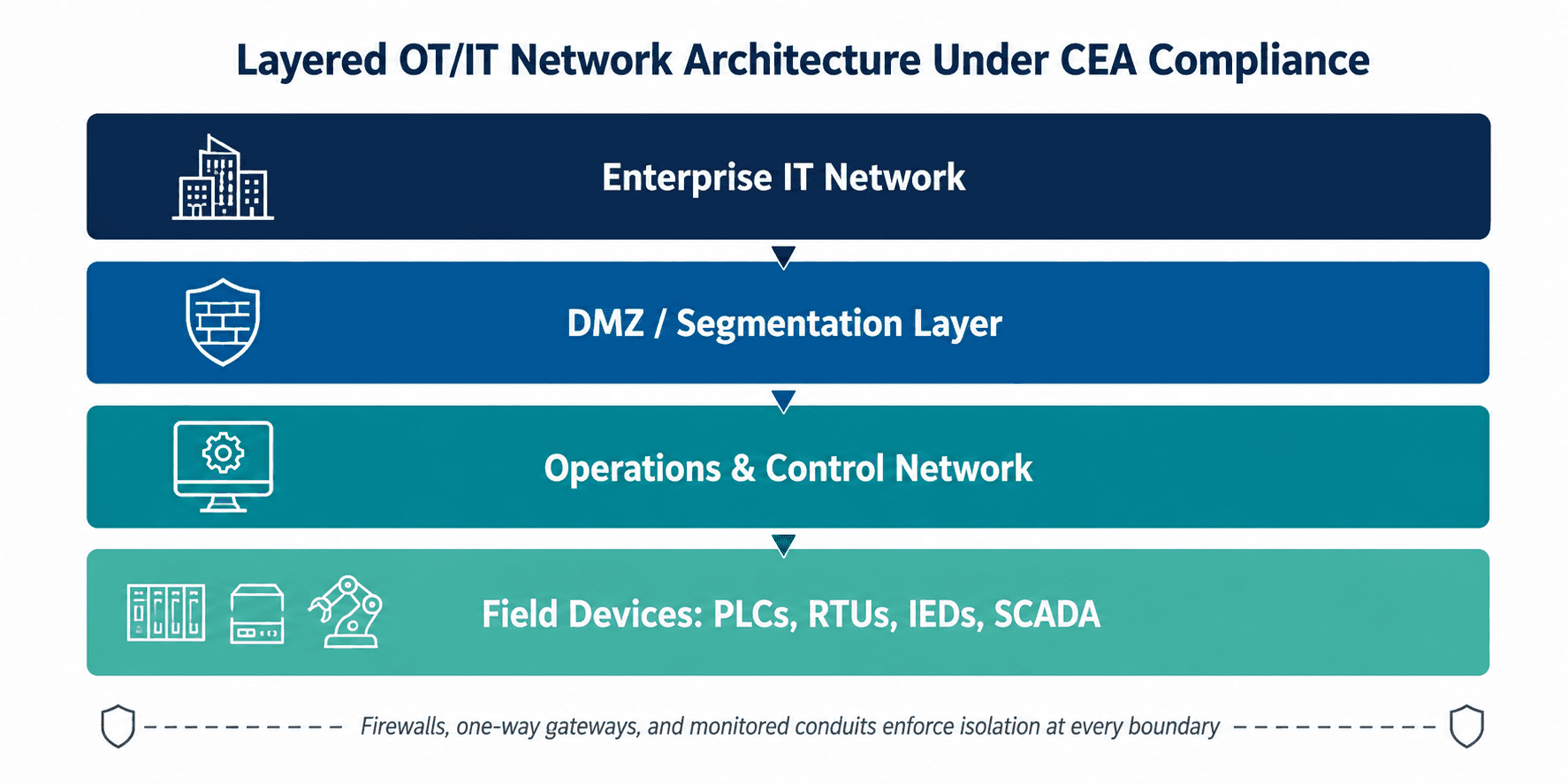
الشبكات المسطحة (غير المجزأة) هي السبب الأكبر وراء تحول عدوى برمجية روتينية في تكنولوجيا المعلومات إلى إغلاق تشغيلي كامل للأنظمة. تتطلب اللائحة هندسة شبكية متعددة الطبقات حيث يتم الفصل منطقيًا وماديًا بين تكنولوجيا المعلومات الخاصة بالمؤسسة، والمنطقة المعزولة (DMZ)، وشبكة العمليات، والأجهزة الميدانية، مع وجود قنوات اتصال خاضعة للرقابة بين كل طبقة وأخرى.
5. عزل تكنولوجيا التشغيل عن تكنولوجيا المعلومات وحماية الحدود
لا قيمة للتجزئة على مخطط الشبكة إذا لم يتم فرض حماية الحدود ذاتها. يتطلب هذا الضابط وجود جدران حماية، وصمامات بيانات أحادية الاتجاه (data diodes) حيثما كان ذلك مناسبًا، والتحقق المستمر من عدم وجود أي مسار غير مصرح به بين أنظمة الشركة وأنظمة التحكم. يجب اختبار العزل بشكل دوري للتأكد من فعاليته وعدم افتراض وجوده تلقائيًا.
6. إدارة الهوية والوصول
تظل كلمات المرور المشتركة، والوصول المفتوح الدائم للموردين، وحسابات تسجيل الدخول العامة للمشغلين من أكثر الثغرات شيوعًا في تقييمات أمن تكنولوجيا التشغيل (OT). وتدعو اللائحة إلى تطبيق الوصول القائم على الأدوار، والامتيازات المحددة زمنيًا للأطراف الخارجية، والمصادقة متعددة العوامل حيثما كان ذلك ممكنًا من الناحية الفنية، مع الإدراك بأن بيئات تكنولوجيا التشغيل غالبًا ما تحتاج إلى ضوابط تعويضية عندما لا تدعم الأنظمة القديمة تقنيات المصادقة الحديثة.
7. تحديد نقاط الضعف ومعالجتها
نادرًا ما يكون ترقيع نظام تحكم نشط لمحطة فرعية أمرًا سهلاً مثل إرسال تحديث وتثبيته. يقر هذا الضابط بهذا الواقع من خلال تطلب عملية منظمة: تحديد نقاط الضعف، وتقييم مخاطرها التشغيلية، ومن ثم إما معالجتها أو تطبيق ضوابط تعويضية مثل عزل الشبكة أو المراقبة المعززة عندما يتعذر الترقيع الفوري.
8. اختبار وتقييم الأمن
الضوابط التي لم يتم اختبارها مطلقًا تظل مجرد افتراضات وليست حماية حقيقية. يُتوقع من المرافق إجراء تقييمات فنية دورية، تشمل اختبارات الاختراق ومراجعات الإعدادات، قبل تشغيل الأنظمة الجديدة وعند فترات زمنية محددة طوال عمرها التشغيلي.
9. المراقبة والكشف المستمر
تمر العديد من اختراقات تكنولوجيا التشغيل (OT) دون أن يلاحظها أحد لعدة أشهر لأن شبكات التحكم كانت تفتقر تاريخيًا إلى أدوات مراقبة واضحة. يتطلب هذا الضابط توفير قدرة مراقبة مخصصة للبروتوكولات الصناعية، وتكون قادرة على رصد الأوامر غير العادية، أو سلوك الأجهزة غير المتوقع، أو الاتصالات غير المصرح بها في الوقت الفعلي تقريبًا.
10. التزامات الإبلاغ عن الحوادث
عندما يحدث خطأ ما، يبدأ الوقت بالنفاد فورًا. تضع اللائحة توقعات واضحة للمدة الزمنية التي يجب خلالها الإبلاغ عن الحوادث والمعلومات التي يجب أن يتضمنها التقرير. وغالبًا ما تضيع المرافق التي لم تتدرب على هذه العملية وقتًا ثمينًا لمجرد تحديد من هو الشخص المخول بإخطار الجهات التنظيمية.
11. التدقيق وتقييم الامتثال
تم دمج المراجعات الداخلية وعمليات التدقيق الخارجية الدورية في اللائحة كمتطلب دائم، وليس كشهادة تُمنح لمرة واحدة. يضمن ذلك استمرار الضغط على المؤسسات للحفاظ على ضوابطها باستمرار، بدلاً من الاستعداد المكثف قبل موعد تدقيق واحد ثم التراخي بعده.
12. إدارة الأزمات والتخطيط للاستجابة
إن الحادث السيبراني الذي يؤثر على عمليات الشبكة يختلف جوهريًا عن الاختراق التقليدي لتكنولوجيا المعلومات؛ إذ قد تتضمن عملية الاستعادة التشغيل اليدوي، وإرسال الموظفين ميدانيًا، والتنسيق الوثيق مع مشغلي الشبكة في المراحل السابقة والتالية. وتتوقع اللائحة وجود خطة أزمات مجربة ومختبرة خاصة بهذه السيناريوهات، وليس مجرد نموذج عام للاستجابة للحوادث مستعار من تكنولوجيا المعلومات.
13. أمن سلاسل الإمداد والموردين
غالبًا ما يتمتع مصنعو المعدات الأصلية ومدمجو الأنظمة ومزودو الدعم عن بُعد بمستويات وصول تضاهي صلاحيات الموظفين الداخليين. يوسع هذا الضابط متطلبات الضمان لتشمل سلسلة الإمداد، مما يتطلب من المرافق تقييم الممارسات الأمنية للموردين والتحكم في الوصول الممنوح لهم، خاصة في اتصالات التشخيص والصيانة عن بُعد.
14. حماية البيانات والتعامل مع المعلومات
تعتبر مخططات الشبكات، والنسخ الاحتياطية للإعدادات، ومنطق التحكم المصدر، معلومات حساسة بطبيعتها؛ فهي تمثل مخططًا تفصيليًا لكيفية تعطيل النظام وتخريبه. يتطلب هذا الضابط من المرافق تصنيف هذه المعلومات وحمايتها بالانضباط ذاته المطبق على البيانات المالية أو الشخصية.
15. جاهزية القوى العاملة والتدريب
تفشل الضوابط التكنولوجية بصمت عندما لا يدرك الأشخاص الذين يشغلونها المخاطر المحيطة بها. ويُعامل التدريب المستمر والمخصص للأدوار الوظيفية لمشغلي غرف التحكم والمهندسين وموظفي تكنولوجيا المعلومات كمتطلب أساسي مستمر، إدراكًا بأن الوعي البشري هو غالبًا خط الدفاع الأخير ضد الهندسة الاجتماعية وممارسات التغيير غير الآمنة.
المخاطر والتحديات ورؤى من واقع القطاع
نادراً ما تُكتب لوائح مثل هذه من فراغ؛ فهي عادة ما تتبع اضطرابات تشغيلية حقيقية كشفت مدى انكشاف أنظمة التحكم الصناعية وضعفها. وتوضح بعض الحوادث الموثقة على نطاق واسع سبب أهمية هذه الضوابط الخمسة عشر تحديدًا.
عندما تتعطل عمليات الشبكة بسبب الاختراقات السيبرانية
في إحدى الحالات التي تمت دراستها على نطاق واسع في منتصف العقد الماضي، تمكن المهاجمون من الوصول إلى شبكات التحكم التابعة لعدة شركات إقليمية لتوزيع الكهرباء من خلال مزيج من التصيد الاحتيالي الموجه وبيانات الاعتماد المسروقة. وبمجرد دخولهم، تمكنوا من فتح قواطع الدائرة عن بُعد، مما أدى إلى قطع الكهرباء عن مئات الآلاف من المشتركين لعدة ساعات. كان المهاجمون قد درسوا الشبكة لعدة أشهر قبل الهجوم، ورسموا مسارات عمل المشغلين قبل البدء بالتنفيذ. وتظل هذه الحادثة أحد أوضح المبررات الواقعية لتجزئة الشبكة، وضوابط الهوية، والمراقبة المستمرة، وهي الضوابط ذاتها التي تفرضها هذه اللائحة الآن.
وفي الآونة الأخيرة، وثق باحثو الأمن محاولات اختراق مستمرة ضد البنية التحتية لشبكات الطاقة في مناطق متعددة، بما في ذلك برمجيات خبيثة ذات طابع استطلاعي تم زرعها داخل الشبكات المجاورة لشبكة الكهرباء دون التسبب في انقطاع فوري. تبرز هذه الحملات تحديدًا لأن الهدف منها يبدو أنه تأسيس وصول طويل الأجل بدلاً من إحداث ضرر فوري، وهو نمط يجعل رؤية الأصول وإدارة نقاط الضعف أمرًا بالغ الأهمية، نظرًا لأن نقاط التسلل الكامنة يمكن أن تظل غير مكتشفة لفترات طويلة دون وجود مراقبة مناسبة.
لماذا تهدد برمجيات الفدية بيئات تكنولوجيا التشغيل (OT) بشكل متزايد
كانت برمجيات الفدية تُعتبر في السابق مشكلة تقتصر بشكل أساسي على تكنولوجيا المعلومات، لكن هذا الافتراض لم يعد قائمًا. فقد اضطر العديد من مشغلي الطاقة والقطاعات الصناعية عالميًا إلى إيقاف العمليات المادية بعد انتشار برمجيات الفدية من أنظمة تكنولوجيا المعلومات الخاصة بالشركات إلى البيئات التي تشترك في مسارات الشبكة مع أنظمة التحكم، حتى عندما لم تكن أنظمة التحكم نفسها مستهدفة بشكل مباشر. وكان التوقف التشغيلي، وليس تشفير البيانات، هو الأثر الفعلي الحقيقي على الأعمال في هذه الحالات، وهو توضيح مباشر لسبب معاملة عزل تكنولوجيا التشغيل وتكنولوجيا المعلومات كضابط مستقل بذاته وليس كمسؤولية تابعة لتكنولوجيا المعلومات.
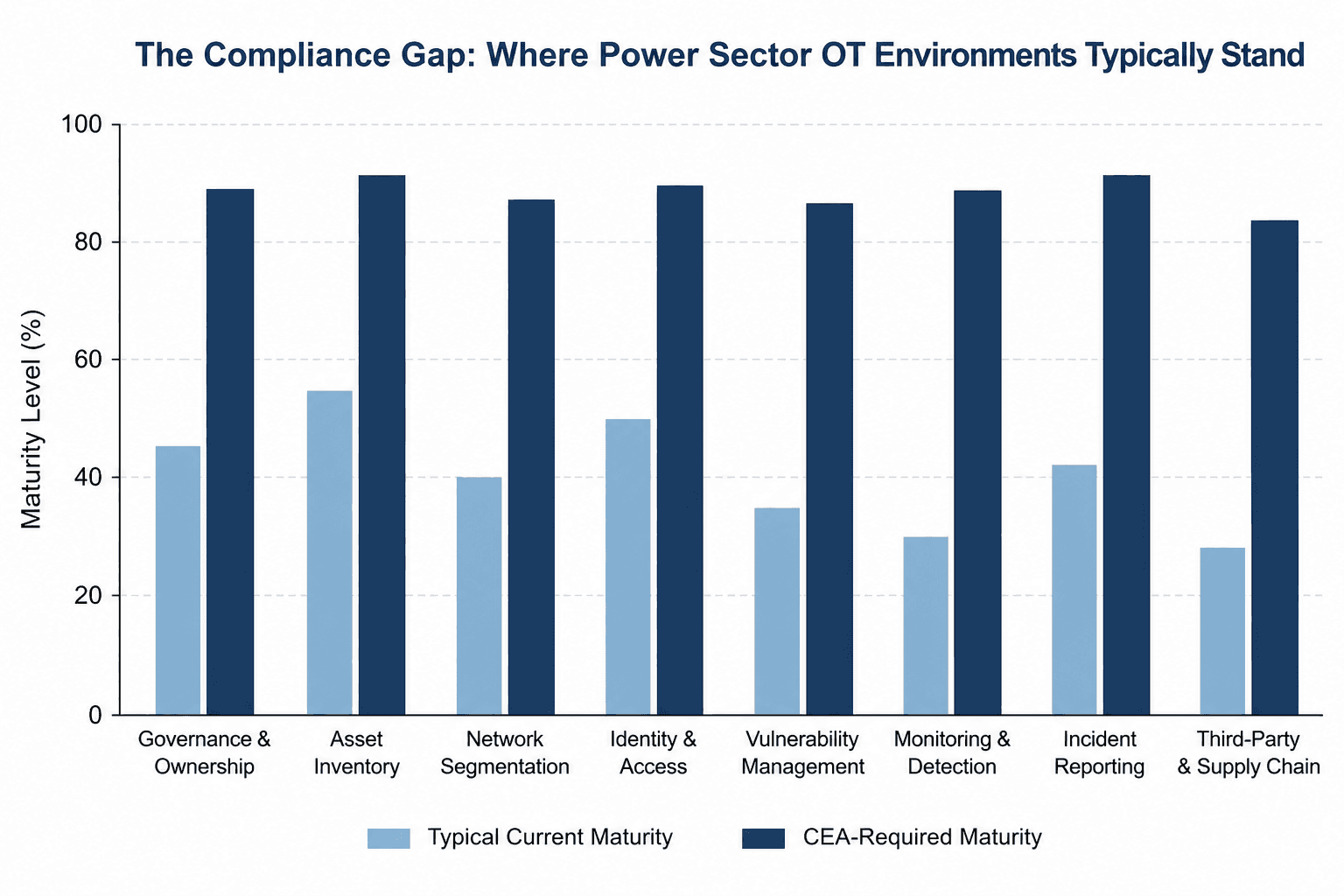
عبر معظم بيئات قطاع الطاقة، يتخلف مستوى النضج الحالي في مجالات الكشف والمراقبة وضوابط سلسلة التوريد بشكل كبير عما تتوقعه اللائحة الآن.
الأثر التجاري والمالي لعدم الامتثال
بعيدًا عن التكلفة المباشرة للحادث الأمني، يحمل عدم الامتثال عواقب وخيمة خاصة به. يوضح الجدول أدناه كيف يظهر هذا الانكشاف والضعف عبر الأجزاء المختلفة للمؤسسة.
منطقة الانكشاف والخطر | ما يحدث في غياب الامتثال |
الأثر التشغيلي | انقطاعات غير مخططة، وفقدان الوعي بالحالة التشغيلية، وتأخر استعادة الخدمة أثناء الاضطرابات الناتجة عن هجمات سيبرانية |
الأثر التنظيمي | توجيهات، وعقوبات، وإجراءات تصحيحية إلزامية من الجهة التنظيمية |
الأثر المالي | تكلفة المعالجة الطارئة، واستبدال المعدات المخترقة، وخسارة إيرادات التوليد أو النقل |
أثر السمعة | فقدان ثقة أصحاب المصلحة من جهات تنظيمية، ومقرضين، وشركات تأمين، والجمهور |
أثر السلامة | زيادة المخاطر على الموظفين والمجتمعات عند التلاعب بمنطق الحماية والتحكم |
الفجوات الشائعة التي يكتشفها المدققون أولاً
سجلات الأصول التي تم تجميعها مرة واحدة ولم يتم تحديثها مطلقًا بعد تركيب معدات جديدة
ترك الوصول عن بُعد للموردين مفتوحًا بشكل دائم بدلاً من منحه لكل جلسة على حدة
مخططات الشبكة التي تصف الهيكل المستهدف بدلاً مما هو مطبق بالفعل على أرض الواقع
خطط الاستجابة للحوادث التي لم يتم التدرب عليها مطلقًا تحت ظروف واقعية
أدوات مراقبة منشورة على شبكات تكنولوجيا المعلومات ولكنها عمياء تمامًا عن بروتوكولات وحركة مرور تكنولوجيا التشغيل (OT)
توصيات عملية وأفضل الممارسات للامتثال
إن تلبية هذه المتطلبات أمر قابل للتحقيق بشكل أكبر بكثير عندما يُعامل كبرنامج منظم بدلاً من كونه تدافعًا عشوائيًا قبل الموعد النهائي للتدقيق. يعكس النهج التالي كيفية ترتيب المرافق المستعدة جيدًا لأعمالها.
ابدأ بالوضوح ورؤية الأصول، لا بالأدوات
قبل الاستثمار في أي منصة مراقبة أو نظام للتحكم في الوصول، ابنِ صورة دقيقة وحديثة لما هو موجود على الشبكة فعليًا؛ فكل ضابط آخر يعتمد على هذا الأساس. وغالبًا ما ينتهي الأمر بالمؤسسات التي تتخطى هذه الخطوة إلى تأمين أجهزة تم إيقاف تشغيلها منذ سنوات بينما تفوت الأجهزة المهمة والنشطة فعليًا.
جزّئ الشبكة على مراحل، وليس دفعة واحدة
إن محاولة إعادة هندسة الشبكة بالكامل في مشروع واحد هو السبب وراء تعثر العديد من مبادرات التجزئة. إن اتباع نهج مرحلي، يعزل الأصول الأكثر عرضة للخطر أولاً، ثم يوسع الحدود تدريجيًا نحو الخارج، يقلل من الاضطراب التشغيلي مع الاستمرار في إظهار تقدم ملموس للمدققين.
عامل وصول الموردين كخدمة مدارة، وليس كامتياز دائم
يجب أن يكون الوصول عن بُعد لمصنعي المعدات الأصلية ومدمجي الأنظمة مطلوبًا، وموافقًا عليه، ومحددًا بوقت، ومسجلاً لكل جلسة. يغلق هذا التغيير الفردي البسيط إحدى الفجوات الأكثر استغلالاً في البيئات الصناعية دون الحاجة لاستثمارات رأسمالية كبيرة.
ابنِ قدرة الإبلاغ عن الحوادث قبل أن تحتاج إليها
قم بإجراء تمرين محاكاة يمثل حدثًا حقيقيًا يتطلب الإبلاغ عنه، بما في ذلك من يقوم بصياغة الإخطار، ومن يوافق عليه، ومدى سرعة إرساله. تكتشف المؤسسات التي تفعل ذلك فجوات في العمليات في بيئة خالية من المخاطر بدلاً من اكتشافها أثناء اضطراب حقيقي.
اجعل جمع الأدلة جزءًا من العمليات اليومية
لا تكون السجلات وعمليات تصدير الإعدادات وسجلات الوصول مفيدة كأدلة امتثال إلا إذا تم الاحتفاظ بها وتنظيمها باستمرار. إن محاولة جمع الأدلة وتجهيزها قبيل عملية التدقيق مباشرة تكون أكثر تكلفة وأقل إقناعًا بكثير من دمجها في الروتين التشغيلي اليومي.
واءم التدريب مع الأدوار الفعلية للموظفين
نادرًا ما يلقى التدريب العام للتوعية بالأمن السيبراني صدى لدى موظفي غرف التحكم. في المقابل، فإن التدريب الذي يتناول كيف يمكن للتصيد الاحتيالي، أو إساءة استخدام بيانات الاعتماد، أو أجهزة USB غير المصرح بها أن تؤثر على الأنظمة التي يعمل معها المشغل يوميًا، يحدث تغييرًا سلوكيًا أقوى بكثير.
الأسئلة الشائعة
بعض الأسئلة التي يطرحها قادة أمن تكنولوجيا التشغيل (OT) ومديرو المحطات عادة عندما يبدأون العمل بموجب هذه اللائحة.
س. ما هي لائحة الأمن السيبراني الصادرة عن هيئة الكهرباء المركزية (CEA)، بعبارات بسيطة؟
ج. هي إطار عمل رسمي صادر عن هيئة الكهرباء المركزية يتطلب من مؤسسات قطاع الطاقة بناء وتوثيق وإثبات مجموعة من ضوابط الأمن السيبراني عبر بيئتي تكنولوجيا المعلومات (IT) وتكنولوجيا التشغيل (OT) على حد سواء. وبدلاً من التوجيهات العامة، تحدد اللائحة التزامات محددة حول الحوكمة، وجرد الأصول، وهندسة الشبكات، والتحكم في الوصول، والمراقبة، والإبلاغ عن الحوادث، وعمليات التدقيق.
س. هل تنطبق هذه اللائحة فقط على شركات التوليد الكبرى؟
ج. لا، يغطي هدف اللائحة المؤسسات عبر مجالات التوليد والنقل والتوزيع حيثما يمكن لإنظمة التحكم أن تؤثر على موثوقية الشبكة أو سلامتها. ويُتوقع من المرافق وشركات التوزيع الأصغر حجمًا تطبيق مجالات الرقابة الخمسة عشر ذاتها، بما يتناسب مع حجم عملياتها وتعقيدها.
س. ما الفرق بين أمن تكنولوجيا المعلومات وأمن تكنولوجيا التشغيل (OT) الذي تركز عليه هذه اللائحة؟
ج. يحمي أمن تكنولوجيا المعلومات عادةً سرية البيانات على شبكات المكاتب والشركات، بينما يحمي أمن تكنولوجيا التشغيل (OT) توفر وسلامة العمليات المادية، مثل وحدات التوليد، والمحطات الفرعية، وأنظمة التحكم، حيث يمكن أن يؤثر أي اختراق على السلامة والموثوقية، وليس فقط على المعلومات. وقد صُممت هذه اللائحة خصيصًا لتناسب واقع تكنولوجيا التشغيل، بما في ذلك المعدات القديمة وقيود التشغيل المستمر.
س. كم من الوقت يستغرق الأمر عادةً لتصبح المؤسسة جاهزة للامتثال؟
ج. تختلف الجداول الزمنية باختلاف مستوى النضج الحالي، لكن معظم المؤسسات تحتاج إلى برنامج مرحلي يمتد لعدة أشهر للوصول إلى حالة أمنية قوية وقابلة للدفاع عنها، بدءًا من رؤية الأصول والحوكمة، ثم الانتقال عبر التجزئة، والتحكم في الوصول، والمراقبة، والاستجابة المختبرة للحوادث. إن محاولة ضغط هذه العملية في بضعة أسابيع قبل التدقيق نادرًا ما تنتج ضوابط تصمد أمام الفحص والتدقيق.
س. ما هي الأدلة التي يبحث عنها المدققون فعليًا؟
ج. توقع طلبات للحصول على سجل الأصول الحالي، ومخططات هندسة الشبكة المطابقة للإعدادات الفعلية، وسجلات الوصول، وسجلات تقييم نقاط الضعف ومعالجتها، وتنبيهات المراقبة وإجراءات الاستجابة المتخذة، والجداول الزمنية للإبلاغ عن الحوادث، وسجلات تدريب القوى العاملة المكتملة. نادرًا ما تكون السياسات وحدها كافية دون وجود أدلة تشغيلية تدعمها.
س. هل يمكن جعل أنظمة التحكم القديمة الحالية متوافقة مع اللائحة دون استبدالها بالكامل؟
ج. نعم، في معظم الحالات. لا يمكن للعديد من أجهزة PLC وRTU ومكونات SCADA القديمة دعم تقنيات المصادقة الحديثة أو الترقيع المباشر، ولكن الضوابط التعويضية، مثل تجزئة الشبكة، والقنوات المراقبة، والوصول المقيد، والمراقبة المعززة، تسمح لهذه الأنظمة بتلبية هدف اللائحة دون الحاجة إلى عملية استبدال وتحديث شاملة ومكلفة.
س. ما هو السبب الأكبر وراء تعثر برامج الامتثال؟
ج. التعامل مع الامتثال كمشروع وثائق مستندية بدلاً من كونه مشروعًا تشغيليًا. البرامج التي تتعثر عادة ما تنتج سياسات ومخططات تصف حالة مستهدفة بدلاً من بناء قدرات الحوكمة، والوضوح، والمراقبة اللازمة لتشغيل تلك الضوابط وإثباتها فعليًا يومًا بعد يوم.
س. من أين يجب أن تبدأ شركة المرافق إذا لم تبدأ هذا العمل بعد؟
ج. ابدأ بجرد دقيق للأصول وتحديد مالك واضح للحوكمة. تكشف هاتان الخطوتان النطاق الحقيقي للفجوات وتمنحان كل ضابط آخر، مثل التجزئة، وإدارة الوصول، والمراقبة، والتخطيط للحوادث، أساسًا متينًا للبناء عليه.
كيف تدعم Shieldworkz المؤسسات
تعمل Shieldworkz جنبًا إلى جنب مع مؤسسات قطاع الطاقة لترجمة هذه اللائحة إلى برنامج أمني عملي ومدعوم بالأدلة بدلاً من مجرد وثيقة جامدة. وقد صُمم نهجنا خصيصًا ليناسب البيئات الصناعية، حيث تأتي الاستمرارية التشغيلية، والسلامة، وزمن التشغيل المستمر في المقام الأول.
اكتشاف شامل لأصول تكنولوجيا التشغيل (OT) وتطوير سجل الأصول السيبرانية المخصص للمحطات الفرعية، ومراكز التحكم، ومرافق التوليد
تقييم هندسة الشبكة وتصميم التجزئة المرحلية التي تراعي القيود التشغيلية الحالية
برامج إدارة الهوية والوصول المصممة لواقع تكنولوجيا التشغيل (OT)، بما في ذلك الأنظمة القديمة التي لا تدعم المصادقة الحديثة بشكل أصلي
تقييم نقاط الضعف وخرائط طريق المعالجة ذات الأولويات التي تأخذ في الاعتبار المخاطر التشغيلية، وليس فقط الخطورة الفنية
نشر المراقبة المستمرة المتوافقة مع تكنولوجيا التشغيل (OT) والمخصصة للبروتوكولات الصناعية وسلوك أنظمة التحكم
التخطيط للاستجابة للحوادث وإدارة الأزمات، بما في ذلك تمارين المحاكاة المخصصة لعمليات الشبكة
تقييمات أمن الموردين وسلاسل الإمداد التي تغطي مصنعي المعدات الأصلية، ومدمجي الأنظمة، وترتيبات الدعم عن بُعد
دعم الجاهزية للتدقيق، بما في ذلك تنظيم الأدلة، وتقييم الفجوات، ومراجعات ما قبل التدقيق
تدريب القوى العاملة المخصص للأدوار الوظيفية والمصمم لمشغلي غرف التحكم، والمهندسين، وموظفي المحطات
بدلاً من تقديم قائمة مرجعية عامة، تعمل فرقنا مباشرة مع المهندسين وموظفي العمليات لديك لبناء ضوابط تصمد أمام التدقيق التنظيمي والضغوط التشغيلية الحقيقية.
الخاتمة: الامتثال كركيزة للمرونة التشغيلية
من السهل النظر إلى لائحة الأمن السيبراني الصادرة عن هيئة الكهرباء المركزية (CEA) باعتبارها مجرد التزام امتثال آخر ينافس على الاهتمام إلى جانب عمليات تدقيق السلامة، والتقارير البيئية، والمراجعات المالية. لكن الضوابط الخمسة عشر في جوهرها تعكس شيئًا أكثر أهمية: الاعتراف بأن الأنظمة التي تشغل شبكة الطاقة تستحق نفس القدر من الدقة والصرامة المخصصة تقليديًا للهندسة المادية.
إن المؤسسات التي تتعامل مع هذا الأمر كفرصة لتعزيز المرونة التشغيلية، بدلاً من مجرد إرضاء المدقق، تميل إلى رؤية فوائد تتجاوز حدود الامتثال بكثير؛ إذ يؤدي الوضوح الأفضل للأصول إلى تحسين تخطيط الصيانة، كما يقلل التقسيم الأقوى للشبكة من نطاق تأثير حوادث تكنولوجيا المعلومات العادية، وتسهم الاستجابة المتدرب عليها للحوادث في تقصير الوقت الفعلي لاستعادة العمليات عند حدوث خطأ ما. وبهذا المعنى، فإن اللائحة ليست عبئًا بل دعوة منظمة لسد الفجوات التي كانت العديد من المؤسسات تعرف بوجودها بالفعل.
وإن المؤسسات التي ستكون في أفضل موقع عندما تشتد إجراءات إنفاذ اللائحة هي تلك التي تبني برامج قائمة على الأدلة اليوم، وليست تلك التي تنتظر إشعار التدقيق لبدء طرح الأسئلة.
هل أنت غير متأكد من وضع بيئة تكنولوجيا التشغيل (OT) لديك مقارنة بهذه الضوابط الـ 15؟
يمكن لفريقنا مراجعة بنيتك الحالية، وتحديد الفجوات ذات الأولوية القصوى، ومساعدتك في بناء خارطة طريق عملية وجاهزة للامتثال بالأدلة، دون تعطيل عملياتك التشغيلية.
احجز استشارة مجانية مع خبرائنا
تنزيل
القائمة المرجعية للامتثال لأمن تكنولوجيا التشغيل (OT) من هيئة الكهرباء المركزية (CEA) لعام 2026 من هنا
لائحة الأمن السيبراني في قطاع الطاقة الصادرة عن هيئة الكهرباء المركزية (CEA) لعام 2026 من هنا
خارطة طريق تنفيذ أمن تكنولوجيا التشغيل (OT) للامتثال لهيئة الكهرباء المركزية (CEA) من هنا
لوائح الأمن السيبراني لعام 2026 الصادرة عن هيئة الكهرباء المركزية (CEA): ما الذي يتعين على شركات الطاقة الهندية القيام به من هنا
احصل على تحديثات أسبوعية
الموارد والأخبار
تعرف على كيفية معالجة حلولنا الرائدة في مجال أمن تكنولوجيا التشغيل (OT) للتحديات الأمنية الحيوية
قد تود أيضًا

What the French supermarket cyberattack reveals about OT security
Prayukth K V

Inside the Albert Heijn cyber incident: Investigating the attack, the IT/OT exposure, and the risks to critical operations
Team Shieldworkz

50°C by cyberattack? Inside France’s supermarket refrigeration crisis
Prayukth K V

Automating IEC 62443 Compliance Assessments Without Losing Expert Control
Team Shieldworkz

Investigative cyber threat intelligence report: Daiichi Kosho supply-chain data exposure
Prayukth K V

How AI Is Changing IEC 62443 Assessments
Team Shieldworkz