Shieldworkz Featured by DinPolitica
Shieldworkz Featured by DinPolitica for expert analysis on the European Space Agency cyberattack
January 17, 2026
Shieldworkz was featured in DinPolitica for its expert analysis of a major cybersecurity incident affecting the European Space Agency (ESA), following the exposure of hundreds of gigabytes of internal data on dark web forums. The coverage examines how successive cyber intrusions led to the leakage of source code, credentials, configuration files, and engineering documentation - raising serious concerns about long-term operational and supply-chain risk within the space sector.
The article highlights insights from Shieldworkz on why breaches involving CI/CD pipelines, infrastructure-as-code assets, and developer collaboration platforms represent more than conventional data loss. These materials form the technical foundation of how space missions are built, validated, and maintained - making their exposure a strategic security issue rather than a short-term incident.

Shieldworkz Featured by DinPolitica for expert analysis on the European Space Agency cyberattack
January 17, 2026
Shieldworkz was featured in DinPolitica for its expert analysis of a major cybersecurity incident affecting the European Space Agency (ESA), following the exposure of hundreds of gigabytes of internal data on dark web forums. The coverage examines how successive cyber intrusions led to the leakage of source code, credentials, configuration files, and engineering documentation - raising serious concerns about long-term operational and supply-chain risk within the space sector.
The article highlights insights from Shieldworkz on why breaches involving CI/CD pipelines, infrastructure-as-code assets, and developer collaboration platforms represent more than conventional data loss. These materials form the technical foundation of how space missions are built, validated, and maintained - making their exposure a strategic security issue rather than a short-term incident.

Key takeaways from the coverage
Large-scale data exposure creates persistent risk: Hundreds of gigabytes of leaked information significantly expand the attack surface, enabling adversaries to analyze systems at scale and plan follow-on exploitation over time.
Developer and engineering platforms are high-value targets: Access to issue-tracking systems, private code repositories, and build pipelines provides attackers with deep visibility into how software is developed, tested, and deployed.
Cloud configuration data amplifies impact: Infrastructure-as-code files can reveal network layouts, access paths, security assumptions, and misconfigurations that would otherwise take months to discover.
Supply-chain exposure extends beyond a single organization: Partners, contractors, and international collaborators referenced in leaked data inherit risk, increasing the likelihood of cascading compromises across the space ecosystem.
Cumulative leaks are more dangerous than isolated breaches: Individual files may appear harmless in isolation, but when correlated with other incidents, they can enable stealthy persistence and future sabotage.
Key takeaways from the coverage
Large-scale data exposure creates persistent risk: Hundreds of gigabytes of leaked information significantly expand the attack surface, enabling adversaries to analyze systems at scale and plan follow-on exploitation over time.
Developer and engineering platforms are high-value targets: Access to issue-tracking systems, private code repositories, and build pipelines provides attackers with deep visibility into how software is developed, tested, and deployed.
Cloud configuration data amplifies impact: Infrastructure-as-code files can reveal network layouts, access paths, security assumptions, and misconfigurations that would otherwise take months to discover.
Supply-chain exposure extends beyond a single organization: Partners, contractors, and international collaborators referenced in leaked data inherit risk, increasing the likelihood of cascading compromises across the space ecosystem.
Cumulative leaks are more dangerous than isolated breaches: Individual files may appear harmless in isolation, but when correlated with other incidents, they can enable stealthy persistence and future sabotage.
Why this coverage matters
Space agencies operate some of the world’s most complex and interconnected digital ecosystems. Modern missions depend on cloud infrastructure, automated build pipelines, shared code repositories, and international collaboration platforms. When attackers gain access to these environments, they obtain detailed architectural blueprints and operational logic that can be exploited long after the initial breach.
The DinPolitica coverage underscores a critical reality: cyber incidents in the space sector rarely end when systems are taken offline or statements are issued. The real danger lies in how leaked engineering artifacts can be combined, reused, and weaponized to undermine future missions, compromise partners, or inject malicious logic into trusted software processes.
Shieldworkz perspective
“Breaches involving CI/CD pipelines and cloud configuration artifacts are not just technical failures - they are strategic security events,” noted Shieldworkz analysts. “When attackers gain insight into how software is validated and deployed, they can create long-term risks such as logic manipulation, unauthorized changes, or covert persistence that may not surface until far later.”
Shieldworkz emphasized that modern attackers increasingly prioritize stealth and endurance over immediate disruption. By exploiting credential theft, weak secrets management, and insufficient monitoring of developer tooling, adversaries can remain embedded within engineering workflows while avoiding traditional perimeter defenses.
The DinPolitica coverage reinforces Shieldworkz’ long-standing position that cybersecurity programs must treat development environments, automation pipelines, and cloud templates as mission-critical assets deserving the same protection as production systems.
Practical steps for space agencies and contractors
Conduct an immediate secrets audit: Rotate and revoke all exposed or potentially exposed credentials, tokens, and keys, and eliminate hard-coded secrets from repositories and configuration files.
Secure CI/CD pipelines end to end: Limit pipeline permissions, enforce code signing, introduce multi-party approvals, and monitor for unauthorized changes across build and deployment workflows.
Harden infrastructure-as-code: Review Terraform and cloud templates for excessive privileges, insecure defaults, and undocumented access paths, and enforce least-privilege by design.
Elevate developer tooling security: Apply centralized logging, anomaly detection, and incident response coverage to code repositories, ticketing systems, and collaboration platforms.
Expand threat hunting beyond production: Proactively hunt for indicators of credential abuse, anomalous pipeline behavior, and unauthorized configuration changes across partner environments.
Coordinate response across the ecosystem: Share findings, indicators, and mitigations with contractors, partners, and trusted authorities to reduce systemic exposure.
Shieldworkz provides targeted assessments and recovery planning for organizations operating complex engineering and mission-critical environments.
Why leadership must act now
Cyber incidents in the space sector rarely result in immediate operational failure, but their long-term consequences can be severe. Access to engineering workflows and deployment logic creates opportunities for future mission disruption, intellectual property theft, and erosion of trust between international partners.
The DinPolitica feature highlights the urgency for space organizations to modernize their security posture - not only to respond to incidents, but to anticipate how today’s leaks can become tomorrow’s failures. Decisive action now reduces both strategic risk and downstream mission impact.
Why this coverage matters
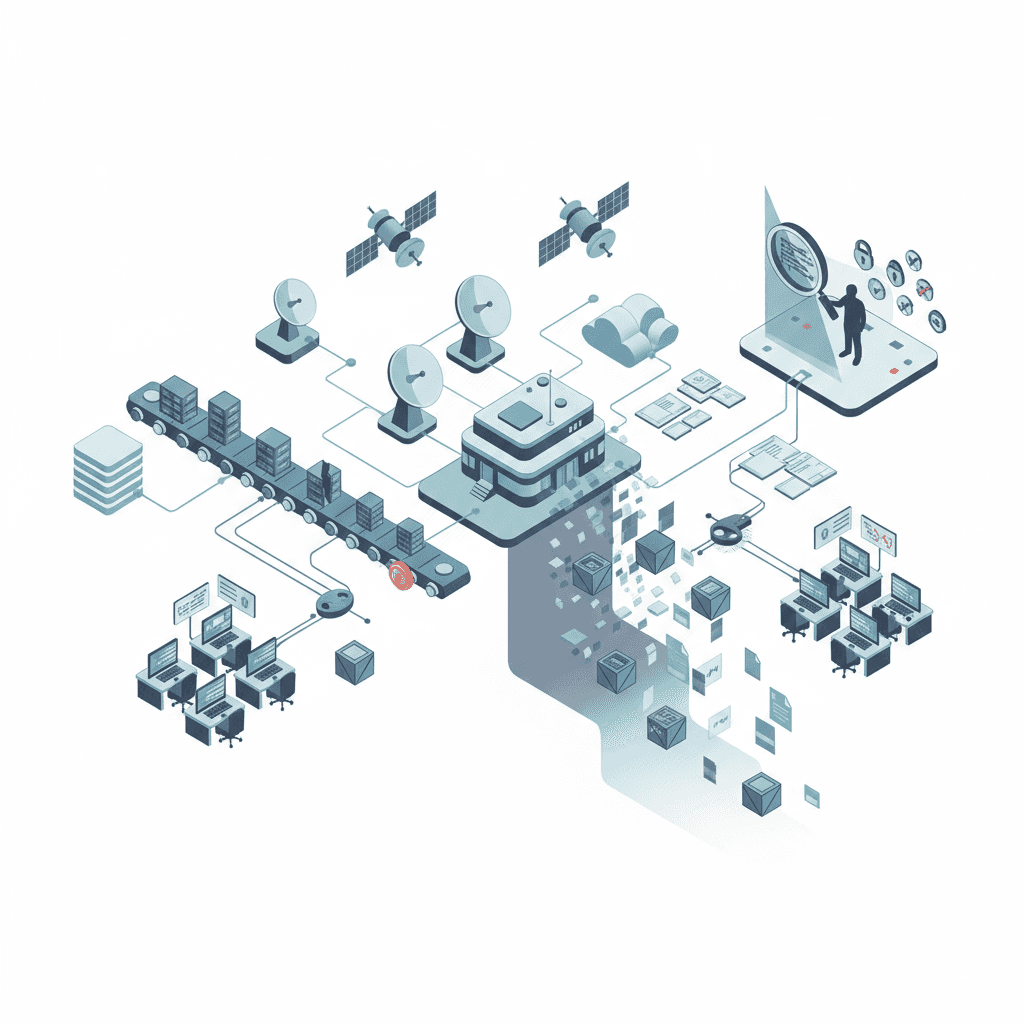
Space agencies operate some of the world’s most complex and interconnected digital ecosystems. Modern missions depend on cloud infrastructure, automated build pipelines, shared code repositories, and international collaboration platforms. When attackers gain access to these environments, they obtain detailed architectural blueprints and operational logic that can be exploited long after the initial breach.
The DinPolitica coverage underscores a critical reality: cyber incidents in the space sector rarely end when systems are taken offline or statements are issued. The real danger lies in how leaked engineering artifacts can be combined, reused, and weaponized to undermine future missions, compromise partners, or inject malicious logic into trusted software processes.
Shieldworkz perspective
“Breaches involving CI/CD pipelines and cloud configuration artifacts are not just technical failures - they are strategic security events,” noted Shieldworkz analysts. “When attackers gain insight into how software is validated and deployed, they can create long-term risks such as logic manipulation, unauthorized changes, or covert persistence that may not surface until far later.”
Shieldworkz emphasized that modern attackers increasingly prioritize stealth and endurance over immediate disruption. By exploiting credential theft, weak secrets management, and insufficient monitoring of developer tooling, adversaries can remain embedded within engineering workflows while avoiding traditional perimeter defenses.
The DinPolitica coverage reinforces Shieldworkz’ long-standing position that cybersecurity programs must treat development environments, automation pipelines, and cloud templates as mission-critical assets deserving the same protection as production systems.
Practical steps for space agencies and contractors
Conduct an immediate secrets audit: Rotate and revoke all exposed or potentially exposed credentials, tokens, and keys, and eliminate hard-coded secrets from repositories and configuration files.
Secure CI/CD pipelines end to end: Limit pipeline permissions, enforce code signing, introduce multi-party approvals, and monitor for unauthorized changes across build and deployment workflows.
Harden infrastructure-as-code: Review Terraform and cloud templates for excessive privileges, insecure defaults, and undocumented access paths, and enforce least-privilege by design.
Elevate developer tooling security: Apply centralized logging, anomaly detection, and incident response coverage to code repositories, ticketing systems, and collaboration platforms.
Expand threat hunting beyond production: Proactively hunt for indicators of credential abuse, anomalous pipeline behavior, and unauthorized configuration changes across partner environments.
Coordinate response across the ecosystem: Share findings, indicators, and mitigations with contractors, partners, and trusted authorities to reduce systemic exposure.
Shieldworkz provides targeted assessments and recovery planning for organizations operating complex engineering and mission-critical environments.
Why leadership must act now
Cyber incidents in the space sector rarely result in immediate operational failure, but their long-term consequences can be severe. Access to engineering workflows and deployment logic creates opportunities for future mission disruption, intellectual property theft, and erosion of trust between international partners.
The DinPolitica feature highlights the urgency for space organizations to modernize their security posture - not only to respond to incidents, but to anticipate how today’s leaks can become tomorrow’s failures. Decisive action now reduces both strategic risk and downstream mission impact.

About Shieldworkz
Shieldworkz specializes in securing OT, IoT, Cyber-Physical Systems (CPS), and high-value engineering ecosystems. We combine domain-aware detection, supply-chain security expertise, and hands-on incident response to help organizations protect critical operations, reduce systemic exposure, and recover with confidence.
About Shieldworkz
Shieldworkz specializes in securing OT, IoT, Cyber-Physical Systems (CPS), and high-value engineering ecosystems. We combine domain-aware detection, supply-chain security expertise, and hands-on incident response to help organizations protect critical operations, reduce systemic exposure, and recover with confidence.
Visit our website: https://shieldworkz.com
For press inquiries and expert interviews, contact: info@shieldworkz.com
Stay ahead of tomorrow’s threats with Shieldworkz, your partner in proactive OT cybersecurity.
Learn More & Resources
Visit our website: https://shieldworkz.com
For press inquiries and expert interviews, contact: info@shieldworkz.com
Stay ahead of tomorrow’s threats with Shieldworkz, your partner in proactive OT cybersecurity.
Learn More & Resources
Read the news article